

Servicing Your Lawn Mower to Keep It Running Smoothly
Extend your mower’s life, improve lawn health, and avoid costly repairs with simple, seasonal maintenance that delivers results all year long.
Maintaining your lawn mower isn’t just a seasonal task—it’s an essential habit that pays off in both short-term performance and long-term durability. Regular upkeep ensures your mower’s engine runs smoothly, the blades stay sharp and the components remain in good working order. More importantly, it prevents last-minute breakdowns and uneven mowing, which results precisely when your lawn needs care the most.
Whether you use a gas-powered push mower, a riding mower or a modern electric mower, each type requires attention to specific areas. This includes changing the oil, replacing spark plugs and inspecting the fuel system for gas models. Electric mowers may have lower maintenance needs but require blade sharpening, deck cleaning and proper battery storage. Regardless of the type, a well-maintained mower delivers consistent results and protects your investment.
In this guide, you’ll learn everything you need to know about servicing your lawn mower—from performing routine maintenance to preparing your mower for long-term storage. We’ll cover vital topics like checking tire pressure, replacing the air filter, cleaning the mower deck and managing engine oil levels, enabling you to confidently handle every aspect of mower ownership throughout the mowing season and beyond.


Why Lawn Mower Maintenance Matters
Neglecting your mower not only risks mechanical failure but also affects the health of your lawn. A dull blade, old gas, a clogged air filter, or low tire pressure can lead to uneven mowing, turf tearing, and increased wear on your engine. Conversely, regular maintenance helps your mower’s engine run smoothly, guarantees clean cuts, and prevents long-term issues that could cost you hundreds in repairs or replacements.
Benefits of performing routine maintenance include:
- Smoother starts and quieter operation
- Cleaner, healthier grass cuts
- Less fuel consumption and fewer emissions
- Improved longevity of your equipment
- Reduced risk of engine damage
By incorporating maintenance into your lawn care routine, you’re not just preserving your mower; you’re actively investing in the quality and appearance of your yard. A well-tuned mower delivers better results with less effort, providing a cleaner cut and a healthier lawn with every pass. Over time, those small habits—checking the oil, sharpening the blade, clearing debris—add up to fewer breakdowns, lower operating costs, and a more enjoyable mowing experience from start to finish.
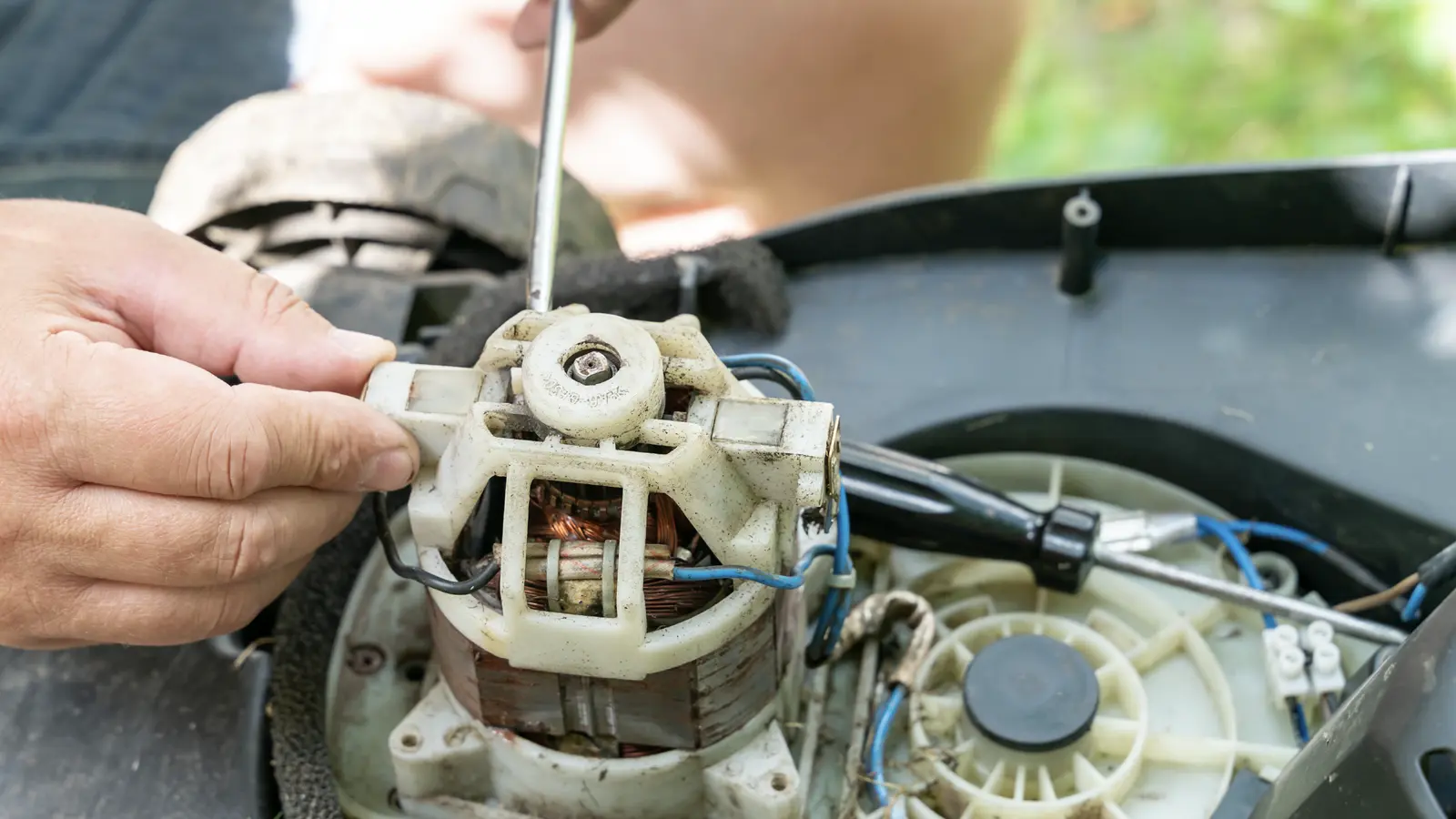

Key Areas to Focus On During the Mowing Season
Several core components require consistent attention throughout the mowing season, regardless of your mower type. Staying on top of these areas ensures your equipment performs efficiently, your lawn remains healthy, and you avoid costly repairs. From the engine and fuel system to the blades, tires, and storage prep, understanding how each part contributes to overall performance helps you spot problems early and maintain peak functionality. Below, we outline the most critical areas to monitor and maintain so your mower remains reliable from the first cut of spring to the final mow in fall.
Engine Health: The Core of Smooth Performance
The engine is the power source behind every successful mow. Whether cutting a small urban lawn or managing a large property, a well-maintained mower engine ensures consistent performance, fuel efficiency, and fewer frustrating starts. Neglecting this critical component can lead to overheating, power loss, or even complete engine failure. By regularly checking and servicing the engine’s key systems—oil, spark, and airflow—you lay the groundwork for reliable operation all season long.
Change the Oil Regularly
Your mower’s engine oil degrades over time due to heat, debris and moisture. If you notice dark or sludgy crude, it’s time to replace it. Follow your owner’s manual for the frequency, but a good rule of thumb is to replace it every 25–50 hours of use or at least once per season.
Tips for oil changing:
- Warm the engine first to thin the oil.
- Drain the old oil into a pan and dispose of it properly.
- Refill with premium oil to the proper level.
- Avoid running with too much oil—it can cause leaks or foaming.
Sticking to a regular oil change schedule is one of the simplest ways to protect your mower’s engine and keep it running smoothly through every mowing session.
Replace the Spark Plug
A faulty spark plug can lead to misfires, sluggish performance or failure to start. Replacing a spark plug annually is a cheap and effective way to keep the engine running smoothly. Always disconnect the spark plug wire before performing maintenance. Then, use a socket wrench to remove and replace the plug, and securely reattach the wire.
Check the Air Filter
The air filter protects the mower’s engine from dust and debris. When it becomes clogged, airflow is restricted, which chokes the engine and consumes more fuel. Replace the air filter at least once per season, or more often in dusty conditions.
Fuel System: A Clean Burn Starts With Clean Fuel
Your lawn mower’s engine is only as good as the fuel you use. Stale or contaminated gas can clog the carburetor, reduce engine performance, and make starting the mower difficult. This is especially true with ethanol-based fuels, which attract moisture and begin to break down in as little as 30 days. Keeping your fuel system clean and well-maintained ensures efficient combustion, protects internal components, and helps your mower start reliably, whether it’s the first mow of the season or the tenth.
Fuel system maintenance checklist:
- Use fresh fuel and add a fuel stabilizer if the gas will sit unused.
- Drain the fuel tank at the end of the season.
- Inspect and replace the fuel filter if necessary.
- Store the mower in a well-ventilated area to prevent fumes from building up.
Fuel-related issues are among the most preventable problems in lawn mower maintenance. By managing your fuel supply carefully and keeping your system clean, you reduce wear on the engine and eliminate many common causes of poor performance or failure to start. It’s a small investment of time that pays off every time you pull the starter cord or press the ignition.
Blades and Deck: The Grass-Cutting Frontline
The cutting system is where your mower meets the lawn and where precision matters most. Sharp, well-maintained blades ensure a clean cut that promotes healthy grass growth and enhances your lawn’s overall appearance. Meanwhile, a clean mower deck allows for proper airflow and consistent discharge of clippings. Neglecting either can lead to ragged grass, mower strain and permanent deck damage. Keeping the blades and the deck in good condition is essential for maintaining a smooth, even mow every time you head out.
Keep Mower Blades Sharp
Dull blades tear rather than slice, stressing your lawn and leaving brown, ragged edges. Sharpen your lawn mower blades every 20 to 25 hours of mowing or whenever you notice frayed grass tips. If the blade is cracked or significantly worn, replace it entirely.
Sharpening tips:
- Remove the blade with a socket wrench.
- Maintain the original angle.
- Balance the blade before reinstalling it.
Keeping up with blade sharpening enhances mowing efficiency, reduces strain on your mower’s engine, and results in a better-looking lawn with less effort.
Clean the Mower Deck
After each mow, remove grass clippings and buildup from the underside of the mower deck. Wet clippings promote rust and reduce airflow, straining the mower’s engine. Use a putty knife to scrape off any stuck debris, and then use a hose or blower to finish.
Wheels, Tires, and Frame: A Stable Mow Every Time
Stable movement is essential for an even cut, starting with properly maintained wheels and tires. For instance, low or uneven tire pressure can lead to poor traction, inconsistent cutting height, and increased strain on the mower’s frame. To address these issues, ensure balance and control by checking tire pressure at least once a month and adjusting it according to your owner’s manual.
In addition to tire pressure, inspect the wheels for cracks, worn treads, or wobbling while checking the tires. Such signs may indicate axle wear or damage that could impact safety and performance. A few minutes spent on inspection can help prevent uneven mowing and premature equipment fatigue.
Mower Types: Specific Needs for Push, Riding, and Electric Models
Different types of lawn mowers have varying maintenance demands. While many core tasks—like keeping blades sharp and cleaning the deck—apply to all, each mower type has unique components that require specific care. Understanding how to service your particular model, whether a manual push mower, a gas-powered riding mower or a battery-operated electric mower, helps prevent issues related to that machine’s design.
Moreover, to ensure optimal performance and extend the service life of your mower, it’s important to adapt your maintenance routine to the particular type. This tailored approach to lawn mower care not only addresses the specific needs of each model but also enhances the overall efficiency and longevity of the equipment. Consequently, following a customized maintenance plan can effectively minimize potential issues and keep your mower operating at its best.
Push Mowers
Push mowers are lightweight and straightforward but require focused care to remain effective. Unlike riding or electric mowers, they typically have simpler engines and lack advanced systems, making their maintenance more hands-on.
Push mower–specific tasks:
- Monitor pull-start tension and replace it if it begins to fray.
- Use a socket wrench to manually remove and sharpen the blades.
- Regularly inspect the recoil starter assembly for wear.
- Tilt the mower correctly (carburetor side up) when accessing the deck.
- Clean under the deck more frequently due to low clearance and buildup.
Keeping a push mower in peak condition relies on simple, consistent attention—something even casual homeowners can handle with just a few tools and a bit of time.
Riding Mowers
Riding mowers incorporate additional mechanical systems not found on push or electric models. Due to their size and complexity, these machines necessitate more thorough checks and specialized attention.
Riding mower–specific tasks:
- Check and charge the onboard battery.
- Inspect and adjust drive belts for the transmission and mower deck.
- Grease spindles, steering components, and axle points.
- Monitor hydrostatic transmission fluid (if applicable).
- Level the mower deck to ensure an even cut across wide areas.
- Inspect the seat safety switch and interlock systems for proper function.
Staying on top of these maintenance points ensures that your riding mower provides consistent performance during long runs and can handle the heavy-duty work it’s designed for.
Electric Mowers
Electric mowers simplify many aspects of maintenance by eliminating the need for oil, fuel and spark systems, but they introduce care requirements related to electrical components and battery systems.
Electric mower–specific tasks:
- Monitor battery health and replace aging batteries when the charge drops quickly.
- Store lithium-ion batteries indoors in climate-controlled areas during winter.
- Clean and inspect charging ports or docking stations for debris and corrosion.
- Avoid fully depleting the battery charge between uses to preserve long-term capacity.
- Inspect power cords (for corded models) for nicks, frays, or grounding issues.
- Reset or test circuit breakers if the motor fails to start.
With a little extra attention to battery care and electrical safety, electric mowers can provide quiet, low-maintenance mowing for seasons to come.
Seasonal Tune-Ups and Long-Term Storage
Lawn mower maintenance doesn’t end when the grass stops growing. The seasonal transitions—spring startup and fall shutdown—are two of the most crucial times for routine maintenance. In spring, you want your mower ready to go without hesitation. In fall, proper storage preparation prevents rust, corrosion, and costly repairs that can arise from sitting idle through winter. Providing extra care during these periods helps preserve your mower’s performance and reliability year after year.
Spring prep:
- Change oil
- Replace the spark plug
- Inspect blades and deck
- Check tire pressure
- Fill with fresh fuel
Winter storage tips:
- Run the engine dry or add a fuel stabilizer
- Use fogging oil to coat the cylinder and prevent rust
- Store in a dry, covered, well-ventilated area
- Remove the battery (if applicable)
Transitioning your mower between seasons properly protects every major system—from the engine to the fuel lines to the cutting deck. These small steps help your mower start easily in the spring, extend its lifespan, and ensure consistent performance each time you mow. A well-maintained mower doesn’t just survive the off-season—it comes back stronger for the next.


Trust Your Owner’s Manual
While general maintenance tips are helpful, no two mowers are exactly alike. From engine size to oil capacity to the specific type of spark plug or air filter needed, every model has its own specifications—and your owner’s manual is the most reliable source for that information. It outlines the components to use, when, and how often to service them.
Pay close attention to the manufacturer-recommended schedules for oil changes, blade sharpening, tire pressure, and more. It may also provide diagrams or maintenance checkpoints specific to your model, which can prevent costly mistakes and unnecessary wear. Whether tuning up for the season or troubleshooting an issue, the owner’s manual should be your go-to guide before reaching for any tools.
The bottom line is that following your manual removes the guesswork and ensures you’re giving your mower exactly what it needs to perform at its best.

Make Lawn Mower Maintenance Part of Your Routine
Lawn mower maintenance may not be the most exciting aspect of yard work, but it’s one of the most impactful. A few minutes spent checking oil levels, cleaning off clippings, or inspecting a spark plug can save you hours of frustration later on. Regular maintenance ensures smooth starts, cleaner cuts, and a mower that functions well when needed, without hesitation.
Too often, mower issues arise not from major malfunctions but minor problems that were overlooked: stale fuel leftover from last season, a clogged air filter, or a blade that’s gone too long without sharpening. These are simple fixes if caught early, but they can quickly snowball into expensive repairs or force you to replace equipment prematurely. Incorporating maintenance into your regular lawn care routine helps prevent these problems before they begin.
By treating your mower like the machine it is—not just a tool but an engine with moving parts, fuel requirements, and precise components—you’re investing in long-term performance. A well-maintained mower protects your lawn and safeguards your time, budget, and peace of mind. Make upkeep part of your routine; your mower will repay the favor every time you roll it out.