
How to Detect and Treat Common Lawn Pests
Take targeted action to protect your turf before the season’s most destructive invaders ruin your summer lawn.
Early summer in Northeast Ohio brings fast-growing grass, longer daylight hours and, unfortunately, a surge in lawn and garden pests. If your lawn develops brown patches, thins out in spots or shows signs of stress despite regular watering, it may be more than just heat or dry soil. Pests such as grubs, chinch bugs and sod webworms become especially active during this time of year, feeding beneath the surface or along grass blades and causing significant damage without being noticed.
Knowing what to look for—and how to respond—can make the difference between a thriving lawn and one that struggles all season. Here’s how to identify what’s damaging your grass and the best ways to treat the most common early summer lawn pests.


Grubs
Grubs—commonly known as white grubs—are the larval stage of several scarab beetles, including the destructive Japanese beetle. These soft-bodied, creamy-white larvae curl into a C-shape and live just below the soil surface, where they quietly feed on grass roots, causing widespread lawn damage.
How to Identify Grub Damage
When grubs eat, they chew through the root system, detaching the grass from the soil. Affected areas may feel loose or spongey underfoot—almost like freshly laid sod. Above ground, you’ll see brown patches or wilting grass blades, typically in sunny spots. This damage often mimics drought stress, but irrigation won’t bring these areas back.
To confirm a lawn grub problem, cut and lift a small section of turf. If you find more than 10 grubs per square foot, the infestation is considered severe.
When and How to Treat Lawn Grubs
Timing is everything when it comes to controlling white grub infestations. Treating too early or too late can result in wasted effort and lingering damage to your lawn.
- Best timing: Apply treatments in early summer, when newly hatched grubs begin to feed, or again in early fall, when feeding activity peaks before winter dormancy.
- Preventative treatments: Use products containing chlorantraniliprole before eggs hatch to stop damage before it starts.
- Curative treatments: For active infestations, apply trichlorfon or carbaryl to eliminate grubs that are already feeding.
- Natural alternatives: Introduce beneficial nematodes or apply milky spore to target beetle grubs without harming beneficial insects or wildlife.
Whichever method you choose, be sure to water thoroughly after application unless the label states otherwise. Proper timing combined with the right product makes all the difference in maintaining a healthy lawn.
Does Dawn Dish Soap Kill Grubs?
While applying Dawn dish soap via a hose-end sprayer may temporarily flush grubs to the surface, it won’t eliminate the problem. Worse, repeated use can harm your healthy lawn by breaking down protective oils on the grass blades and damaging the soil microbiome.
Can a Lawn Recover from Grub Damage?
Absolutely—but recovery depends on how widespread the grub damage is and the type of grass you have. If the roots are severely compromised, you may need to overseed thin or bare spots with hardy species, such as perennial ryegrass or Kentucky bluegrass. With proper lawn care and consistent watering, your turfgrass can recover over time.


Chinch Bugs
Chinch bugs are small but destructive lawn pests that cause significant damage during hot, dry spells, especially in sunny areas. These fast-moving insects hide in the thatch layer, where they feed on grass stems by piercing them and injecting toxins that block water flow. This dual action—feeding and poisoning—quickly leads to widespread lawn damage, particularly in home lawns, golf courses and turf grass with compacted or stressed soil.
Signs of a Chinch Bug Infestation
Early symptoms often resemble drought stress, but unlike dry lawns, the damage continues even with regular irrigation. Look for light green to brown patches that expand outward, often with a visible contrast between dead zones and the surrounding healthy lawn. In heavy infestations, the grass may appear to be dying from the center outward.
To confirm the presence of chinch bugs, part the grass near affected areas and inspect the soil surface or thatch layer. You’ll often spot tiny black insects with white wings crawling quickly through the base of the grass.
How to Treat Chinch Bugs
Once you’ve confirmed a chinch bug infestation, prompt treatment is essential to stop further lawn damage and support recovery. The best results often come from combining multiple approaches for both immediate control and long-term prevention.
- Chemical control: Apply insecticides containing bifenthrin or lambda-cyhalothrin for effective suppression of the pest. Spot-treat infested areas to minimize impact on beneficial insects.
- Natural solutions: Introduce natural predators such as big-eyed bugs or apply insecticidal soap in the early morning when chinch bugs are most active. Avoid treatments during the hottest part of the day to prevent harming your grass plants.
- Cultural controls: Maintain a thick, well-watered lawn to make conditions less favorable for chinch bugs. Proper mowing, watering and fertilization help your turfgrass resist infestation and recover more quickly.
Using a balanced combination of these methods helps manage chinch bugs without relying too heavily on chemicals. A healthy, dense lawn is your best defense against recurring pest problems.
Does Dawn Dish Soap Kill Chinch Bugs?
While Dawn dish soap may bring chinch bugs to the surface or temporarily stun them, it’s not a reliable control method. Worse, repeated use can harm your grass, disrupt soil balance and impact other insects essential to a healthy lawn ecosystem.

Sod Webworms
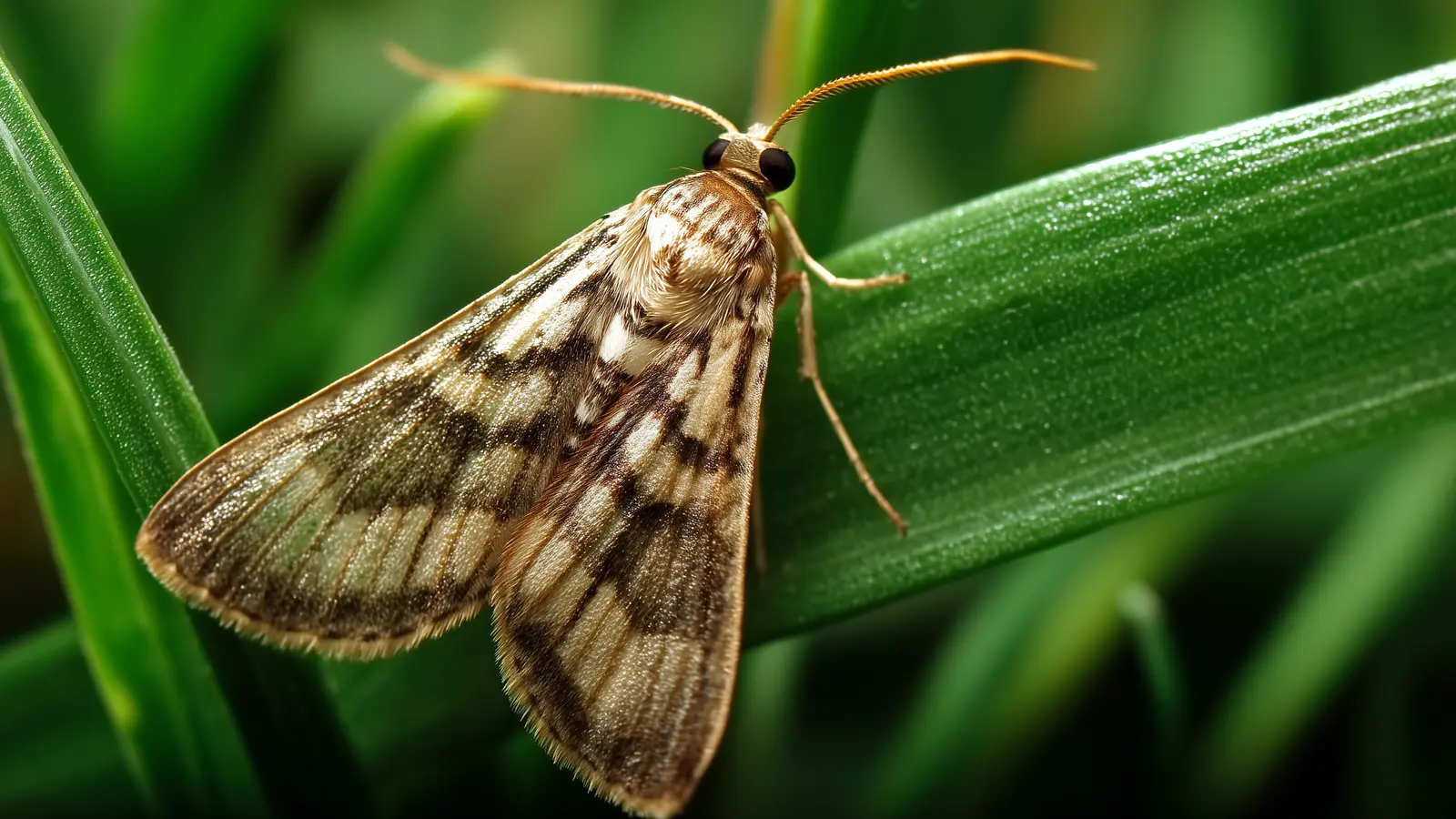
Sod webworms are the larval stage of small lawn moths and are a common but often misdiagnosed lawn pest in Northeast Ohio. Though they’re small, these sod webworm larvae can cause significant damage to your lawn in a short time. Mainly feeding at night, they chew through grass blades and retreat during the day into silk-lined tunnels just beneath the surface.
What makes them especially troublesome is the sod webworm life cycle, which allows for multiple generations per season. As a result, infestations can occur in both early summer and again in late summer, compounding the damage if left untreated.
How to Identify Sod Webworm Infestations
Recognizing sod webworm infestations early is key to preventing long-term lawn damage. They often mimic other issues, such as drought stress or nutrient deficiencies, making proper identification essential.
- Symptoms: Look for small, irregular patches of browning grass that expand rapidly. You might also notice adult moths fluttering over the lawn in the early evening, particularly near outdoor lights.
- Damage: Affected areas initially appear as light green or beige spots, which gradually spread and worsen over two to three weeks as the larvae continue to feed on the grass blades.
If left untreated, sod webworm infestations can thin your turf and expose the root system, making your lawn more vulnerable to other insects and environmental stressors.
Best Time and Method to Treat
Timing your treatment around the larval stage—when the pests are actively feeding—is critical for success. The most effective window for control runs from June through August, depending on weather and local conditions.
- When to treat: Target treatment during peak larval activity, typically from June to August, shortly after the eggs hatch.
- Treatments:
- Apply Bacillus thuringiensis (Bt) or spinosad as biological controls that are effective yet safe for beneficial insects.
- For chemical control, look for products containing permethrin or cyfluthrin.
- Always mow the lawn before treatment to reduce the thatch layer and improve product contact with the pests.
Following treatment, monitor your lawn closely and consider overseeding damaged areas once feeding has stopped. With proper care, your turf grass can recover even after a moderate to heavy infestation.

Armyworms and Cutworms
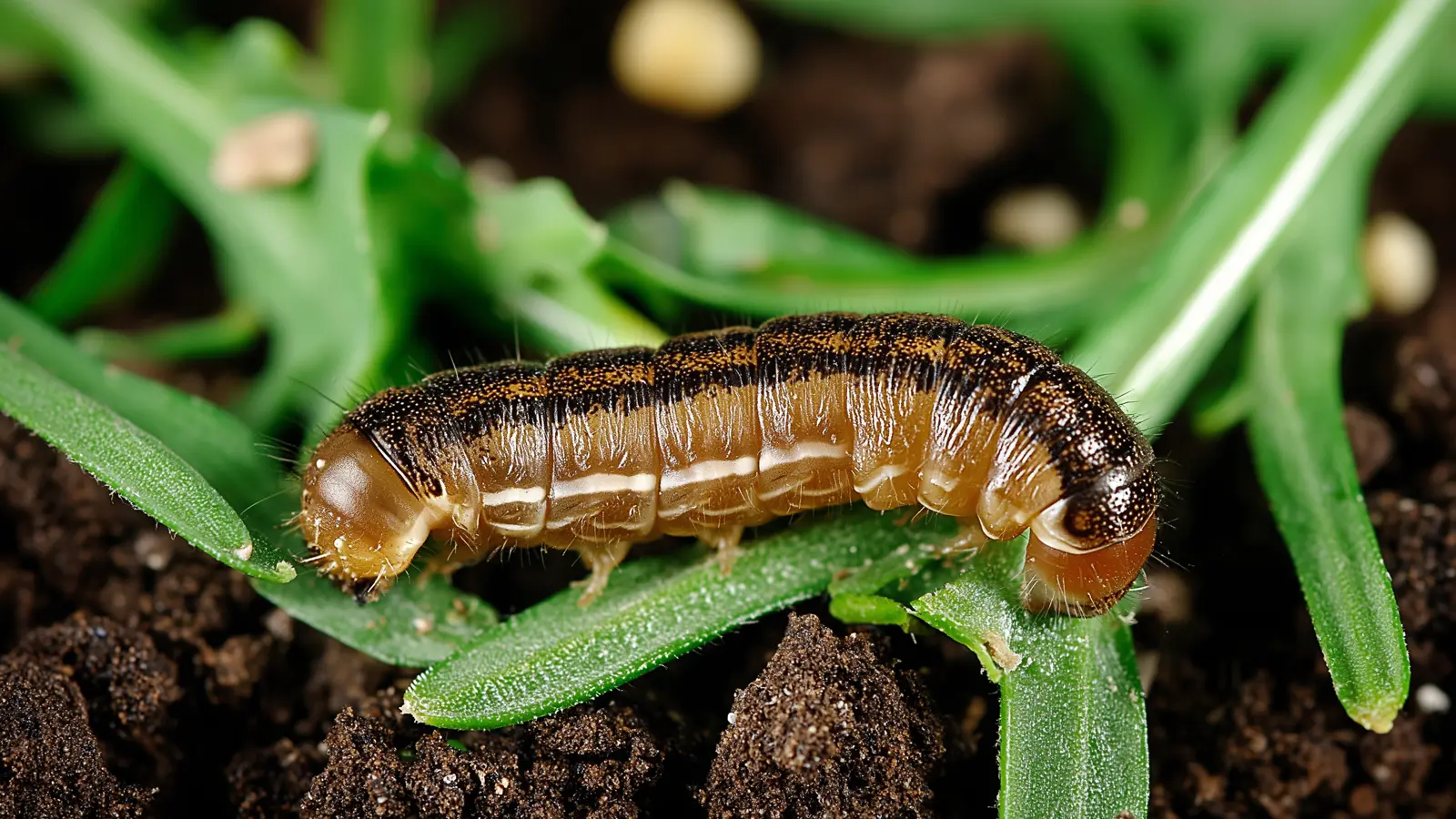
Although armyworms and cutworms are more commonly associated with southern regions, such as the Gulf Coast, they occasionally appear in Northeast Ohio, particularly during warmer-than-usual Junes or when weather patterns carry migrating pests into the area. While not as prevalent as grubs, chinch bugs or sod webworms, these pests can still cause noticeable damage in a short amount of time.
Armyworms and cutworms have distinct feeding behaviors that make them easier to identify when signs appear.
- Armyworms: These pests travel in groups and can strip large areas of grass nearly bare overnight. The resulting damage often resembles the lawn being scalped with a dull mower blade.
- Cutworms: These insects feed at the soil surface and typically sever young grass stems near the base, leaving small patches of dead or toppled grass.
Both pests are worth monitoring, especially if you’ve had previous infestations or your lawn appears stressed for no apparent reason. If caught early, they can be managed effectively with targeted treatments and close observation.


Effective Lawn Pest Control
Managing lawn pests successfully requires a combination of timing, observation and smart lawn care practices. While chemical treatments can play a role, many infestations can be prevented—or at least minimized—through routine maintenance and early intervention. A healthy lawn is more resilient and far less inviting to common pests.
The following best practices can help protect your lawn from unwanted insects while preserving beneficial organisms and keeping your turf in top condition:
- Early detection: Inspect your lawn regularly, especially in the early morning when some pests are more active. Catching an infestation early makes treatment more effective and less disruptive.
- Watering wisely: Be mindful of your watering schedule. Overwatering can create a habitat for certain pests, while underwatering leads to drought stress that mimics insect damage.
- Proper mowing: Keep your mower blades sharp and avoid cutting the grass too short. Higher mowing heights help turf grass develop deeper roots and recover more quickly from stress.
- Aerate and dethatch: Compacted soil and excess thatch provide hiding spots for pests. Aerating and dethatching improve air flow and make your lawn less hospitable to insect activity.
- Use targeted treatments: Apply insecticides only where needed. Spot-treating minimizes harm to beneficial insects and reduces unnecessary chemical exposure.
- Stay seasonal: Match your treatment approach to the pest’s life cycle. Treating too early or too late can reduce effectiveness and may even do more harm than good.
By staying proactive and attentive to your lawn’s condition throughout the season, you can minimize damage and reduce the likelihood of recurring infestations. Consistency is key—small efforts made regularly often outperform reactive, heavy-handed fixes.