
Backyard Privacy Ideas for a Quiet Retreat
Transform your backyard into a private, beautiful retreat with smart design ideas that blend plants, structures and layout to create peaceful spaces.
Creating privacy in your backyard isn’t just about blocking views—it’s about shaping a beautiful outdoor space that invites you to rest, relax, and forget the world around you. Whether you’re trying to screen out neighbors, reduce noise, or carve out cozy spots for events and quiet mornings, the right combination of design elements can bring a calming sense of enclosure and purpose to your landscape.
Privacy doesn’t have to mean building tall fences or turning your yard into a fortress. The most effective outdoor spaces feel open yet protected, using natural materials, thoughtful layouts, and vertical features to create both structure and softness. With the right approach, you can create an outdoor “room” that enhances your use of the space without making it feel confined.
For homeowners in Northeast Ohio, there are plenty of practical and visually appealing options. From fast-growing plants and layered hedges to trellis panels and vertical garden structures, these solutions help create separation without sacrificing style. Let’s explore a range of backyard privacy ideas that can help you feel more at home in your yard, without the need for a traditional fence.


Living Green Screens: Hedges, Layers and Fast-Growing Plants
Living green screens are among the most versatile and attractive ways to create privacy in your backyard. Whether you’re aiming for a lush, secluded retreat or just a simple boundary, plants can do the heavy lifting while beautifying your garden. They also evolve with the seasons, adding dimension and natural charm throughout the year.
In Northeast Ohio, a careful combination of hedges, fast-growing plants, and layered arrangements can provide both quick and lasting privacy solutions. These strategies also enhance your landscape’s overall health by promoting biodiversity, reducing wind, softening sound and even offering shade. Best of all, green screens can be customized to fit any size site, from spacious suburban lots to compact urban gardens.
Install a Living Privacy Screen
When it comes to blocking neighbors’ views and creating a sense of seclusion, few options are as natural and visually appealing as a living privacy screen. Fast-growing plants like Green Giant arborvitae, American holly and privet form dense, upright hedges that not only provide coverage but also help reduce noise and enhance the beauty of your backyard garden.
If you’re asking, “What is the fastest-growing hedge for privacy?” Green Giant arborvitae is a top choice. Growing up to 3 feet per year, it’s perfect for larger properties where you want a tall, evergreen wall that thrives in full sun and keeps its color year-round. For smaller garden spaces, boxwood and skip laurel offer thick, sculpted foliage that can be easily shaped to fit compact designs.
For quick results, try installing a staggered double row or choosing mature, nursery-grown plants. Although these options may cost more upfront, they provide faster coverage and require less pruning over time, making them a wise long-term investment in privacy and property value.
Living screens are especially appealing because they blend with the natural flow of your garden and feel integrated into the rest of the landscape. Unlike fences, which can look harsh or imposing, hedges grow into the space gradually and can even provide habitats for birds, pollinators and small wildlife. This adds life and depth to your yard while fulfilling its privacy function.
Use Layered Planting to Add Depth and Privacy
Instead of relying on just one row of shrubs or trees, try using layered planting to create a more dynamic and effective privacy screen. This landscape design technique combines beauty with function, producing a soft, natural barrier that looks intentional, not just practical.
Begin by planting tall evergreens, such as arborvitae or spruce, at the back to provide height and year-round screening. In front of these, add mid-sized shrubs, such as viburnum, spirea or ninebark, to introduce texture and seasonal color. Finish with low-growing groundcovers, perennials or ornamental grasses that fill gaps and unify the planting scheme.
Layering adds visual depth and ensures a smooth transition throughout the landscape. It also softens the sharp lines between your yard and neighboring homes, transforming your outdoor space into a more curated and welcoming environment. Instead of feeling closed off, your garden becomes a multi-dimensional outdoor room that feels open, peaceful and well-designed.
This approach works well for larger sites but can also be adapted for smaller yards by adjusting plant spacing and height. The key is choosing sizes and bloom times that enhance privacy without overcrowding the space. It allows you to create a continuous, beautiful backdrop that feels natural and intentional.
Use Fast-Growing Screening Plants for Instant Coverage
If you’re eager to create privacy without the wait, fast-growing plants offer a practical and attractive solution. While evergreens and hedges are reliable standbys, several other species provide quick coverage and visual appeal, making them ideal for homeowners who want results sooner.
One of the fastest-growing options is bamboo, but it should be planted carefully. Choose clumping varieties, which stay contained, instead of invasive running types that can quickly take over your garden. Besides bamboo, other rapid growers suitable for Northeast Ohio include:
- Willow hybrid trees: grow up to 6 feet per year and form tall, elegant screens.
- Northern bayberry: hardy, drought-tolerant, and forms thick, leafy hedges even in poor soil.
- Red twig dogwood: offers fast-growing coverage along with striking red stems in winter.
Remember that even fast-growing plants need time to establish a strong root system—typically at least one growing season. For instant privacy, consider pairing new plantings with vertical structures, such as trellises, panels or screens, to fill in gaps as your landscape matures. This combined strategy creates layers of coverage that improve both appearance and function.


Vertical Elements and Garden Structures
When it comes to privacy, vertical elements can be your best friend. Adding height to your landscape design not only enhances visual interest but also helps create the sense of enclosure many homeowners desire. Structures like trellises, pergolas and arbors are especially effective for increasing privacy without enclosing the entire space.
These features are perfect for properties where a complete fence isn’t practical or desired. They can be used to define garden areas, block views from nearby houses or support climbing plants that add to the natural feel of your landscape. Most importantly, vertical elements are adaptable and can be customized to match both the size and style of your garden.
Build a Trellis to Support Climbing Plants
If you’re seeking a privacy solution that adds charm without overwhelming your space, a trellis offers both style and function. A trellis (plural: trellises) is a vertical framework, usually made of wood or metal, designed to support climbing vines and tall plants. It’s one of the most effective ways to create a screen without installing a whole fence, especially in tight spaces, patios or narrow side yards.
Trellises can stand alone, be mounted to walls or even be built into large planter boxes, making them highly versatile for a variety of landscape designs. They’re especially helpful in backyards where a solid fence might appear too rigid or visually heavy. If you’re comfortable with basic tools, you can often build a custom trellis for less than the cost of buying one, particularly if you reuse materials from another project on your site.
To turn your trellis into a living screen, choose fast-growing climbing plants that provide both coverage and beauty, such as:
- Clematis: fast-growing with large, eye-catching blooms in various colors
- Trumpet vine: vigorous growers that quickly cover vertical structures
- Boston ivy: offers lush green foliage that turns bright red in fall
- Hops: a soft-textured climber with dense, leafy growth
- Climbing roses: graceful, fragrant, and ideal for romantic garden settings
These plants not only offer excellent privacy from neighbors but also add vertical interest, seasonal color and softness to your space. With a bit of planning, a trellis can transform an open area into a lush, secluded retreat that feels both cozy and intentional.
Add Height with Pergolas or Vertical Structures
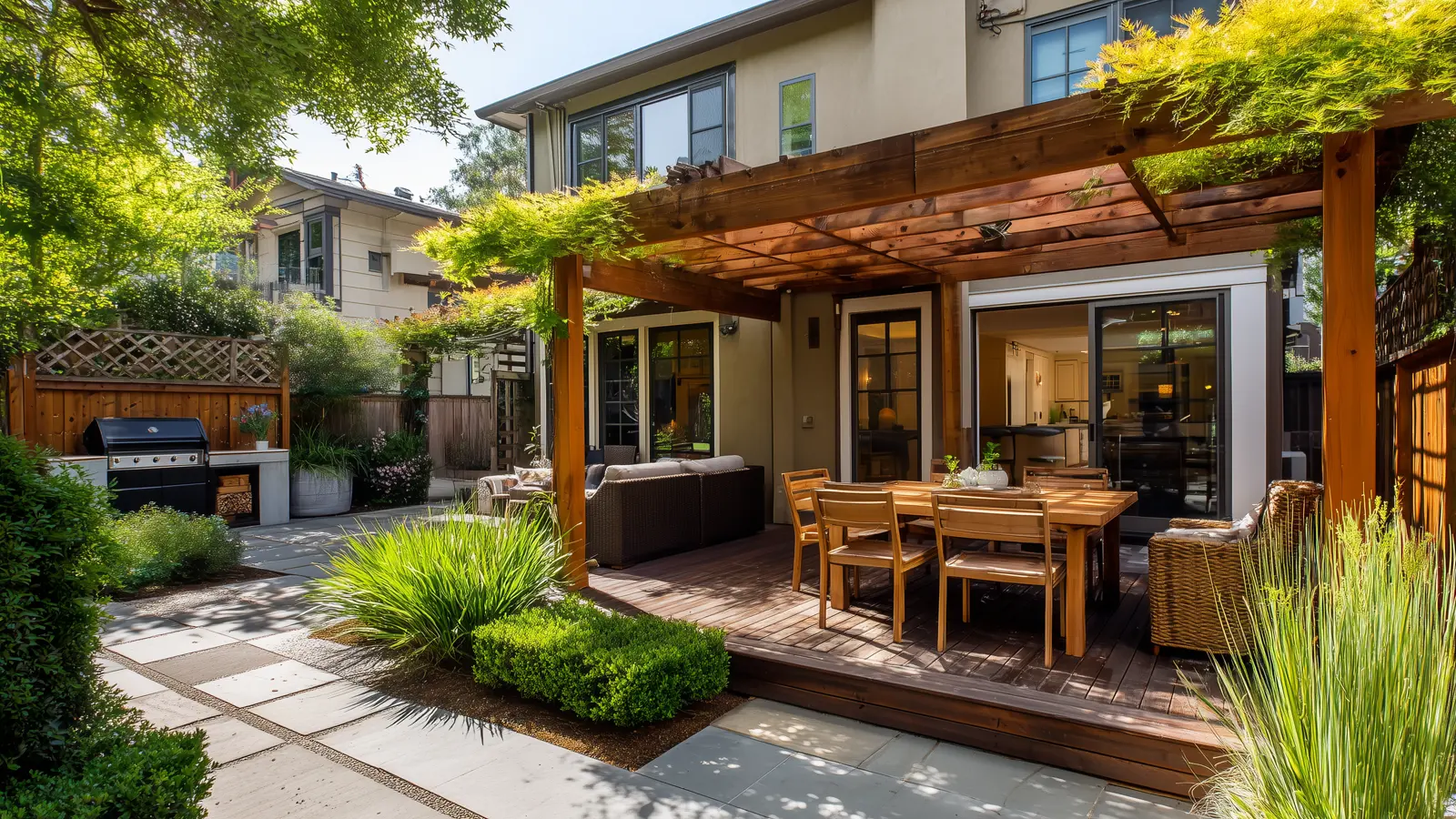
If a traditional fence feels too limiting or permanent, vertical structures like pergolas, arbors or shade frames provide a stylish and flexible alternative. These architectural elements help define zones within your yard, add height and offer opportunities for privacy, light control and visual layering—all while maintaining an open feel.
A pergola over a patio, dining area or hot tub instantly creates a sense of enclosure while preserving airflow and sunlight. For extra privacy, consider adding sheer outdoor curtains, climbing vines or tall planters along the edges. String lights, hanging baskets and outdoor décor can transform the space into a cozy garden retreat, enhancing the mood.
Vertical structures also offer the flexibility to evolve with your landscape. Curtains can be opened or removed, plants can be swapped seasonally, and shade elements can be adjusted over time. Whether your style leans rustic or modern, vertical features allow you to build comfort and intimacy without making your outdoor space feel closed off.
These structures work exceptionally well when paired with natural screening options, such as hedges or trellises. Together, they form layered, multidimensional spaces that feel intentional, stylish and private—perfect for rest, entertaining and everyday enjoyment.

Layout, Zoning and Legal Considerations
Even the best privacy ideas can fall short if they aren’t used with purpose. The arrangement of your garden greatly influences how private, functional and inviting it feels. From spatial design to property rules, this section outlines practical steps to create a peaceful and compliant outdoor environment.
Rather than relying solely on solid barriers, consider how your layout affects views, sound and flow. Creating designated zones and utilizing flexible, movable features—such as container gardens, benches or planters—can make a significant impact. And when it comes to the legal side, it’s always smart to check the rules before you build.
Create Private Garden Zones
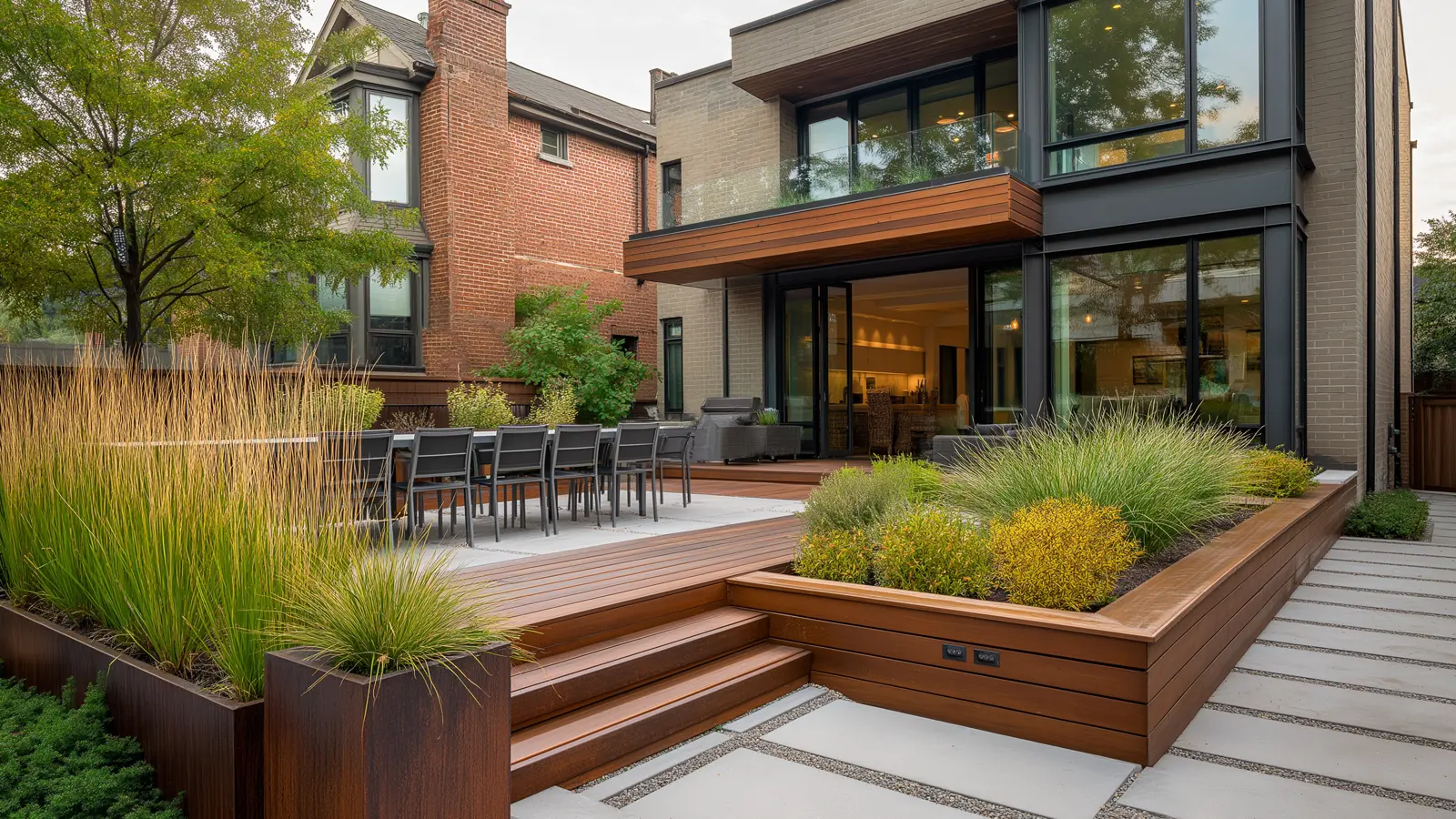
Privacy isn’t always about building walls—it often comes down to how you organize your space. Thoughtful furniture placement and landscaping choices can significantly improve your sense of seclusion and comfort. If your yard borders multiple houses, try dividing it into separate garden zones, each with a unique purpose and enclosure style.
Features like a raised terrace, sunken patio or even a material change—from lawn to gravel—can redirect views and create natural separations. Large planters, tall grasses or vertical plantings serve as flexible dividers that help block lines of sight without closing off your entire yard.
These zones can serve various purposes, including dining, lounging, cooking and gardening. By arranging them with both beauty and function in mind, your yard becomes a comfortable, layered space that adapts to your lifestyle.
If you long for a quiet area to enjoy your morning coffee or read in the evening sun, you may not need a significant renovation. Often, simply shifting a few elements—such as a table, trellis or screen—can create the cozy, restful space you’re missing.
The Legal Side: Do You Have a Right to Privacy in Your Backyard?
While it may feel like you should be entitled to privacy in your yard, there’s no guaranteed legal right to total seclusion outdoors. That said, you have the right to enjoy your space, and you can take steps to increase privacy without causing legal or neighborly friction.
Start by focusing on improvements that stay well within your property lines. Trees, trellises, hedges and screens can all be installed in ways that don’t violate municipal guidelines or create disputes. These subtle, non-permanent upgrades are often the easiest path to peace of mind.
Before building a tall fence, stone wall or structure, check your local zoning codes or HOA requirements. Most communities have rules around fence height, proximity to property lines and acceptable building materials. Doing this research upfront can save you headaches and help you stay compliant.
If you’re not sure what’s allowed—or you’re planning a larger project—it’s worth talking to a local landscaping pro. They can help you navigate rules while designing a space that’s both stunning and stress-free.

Choosing the Right Option for Your Space
When it comes to backyard privacy, there’s no single best solution. Your ideal setup depends on the layout of your space, your budget, your timeline and how you want to use your yard. A long-term approach might lean on layered plantings and hedges. If you need faster results, mixing in structures like trellises, screens or even pop-up canopies can provide an immediate buffer.
Also, consider the overall vibe you want your space to convey. Are you creating a lively garden for entertaining, a quiet zone for reading and rest or a multifunctional space that does it all? Those goals should guide how you balance beauty, utility, and enclosure.
Don’t forget practical matters, such as sun exposure, wind direction and drainage. Choosing plants or structures that work with your site conditions will ensure that your privacy features not only look good, but also last.
Whether you’re hosting friends, planning low-key weekend events or just hoping to feel more at ease at home, enhancing privacy is about more than screening views. It’s about creating a place where you feel safe, peaceful and proud to spend time. With a thoughtful mix of greenery, structure and layout, you can turn your outdoor space into a personal retreat that’s welcoming in every season.