
Yard Drainage Solutions for Backyards
Protect your home and lawn with smart, sustainable drainage systems built to manage water flow and prevent costly damage.
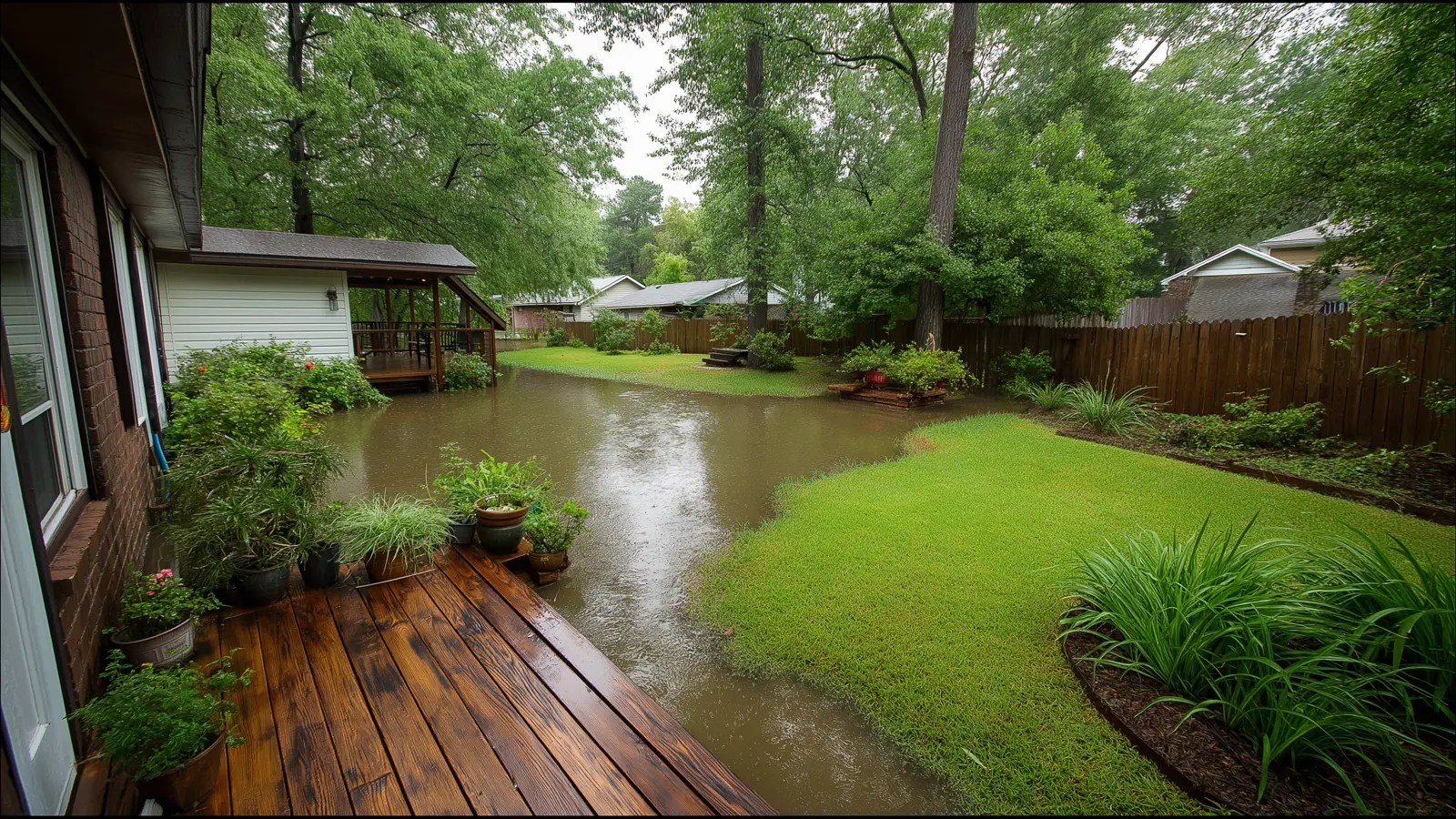
Yard drainage isn’t always top of mind—until your once-beautiful lawn turns into a soggy, unusable mess. From patches of standing water to eroding mulch beds and flooded foundations, poor drainage can create a cascade of issues that affect the health of your landscape and the value of your property. These problems often sneak up slowly, building over seasons of heavy rain and stormwater runoff, especially in regions like Northeast Ohio with unpredictable weather patterns.
Whether you’re contending with compacted soil, uneven grading or roof runoff that has nowhere to go, implementing the right yard drainage system can make all the difference. Effective drainage does more than keep your yard dry—it safeguards your home’s foundation, preserves your soil structure and creates a safe, usable outdoor space for your family.
In this guide, we’ll walk you through the most reliable and proven yard drainage solutions for backyards, show you how to identify common drainage problems and help you decide which systems are the best fit for your home and landscape goals. From French drains to rain gardens, the solutions covered here are tailored to homeowners in Northeast Ohio but are applicable wherever water overstay becomes a problem.
Why Proper Drainage Is a Crucial Part of a Healthy Yard
A healthy lawn and thriving landscape depend on more than just regular mowing and watering—proper drainage is a crucial part of the equation. Without a way to effectively manage excess water, your yard becomes vulnerable to a host of problems that can undermine all your landscaping efforts.
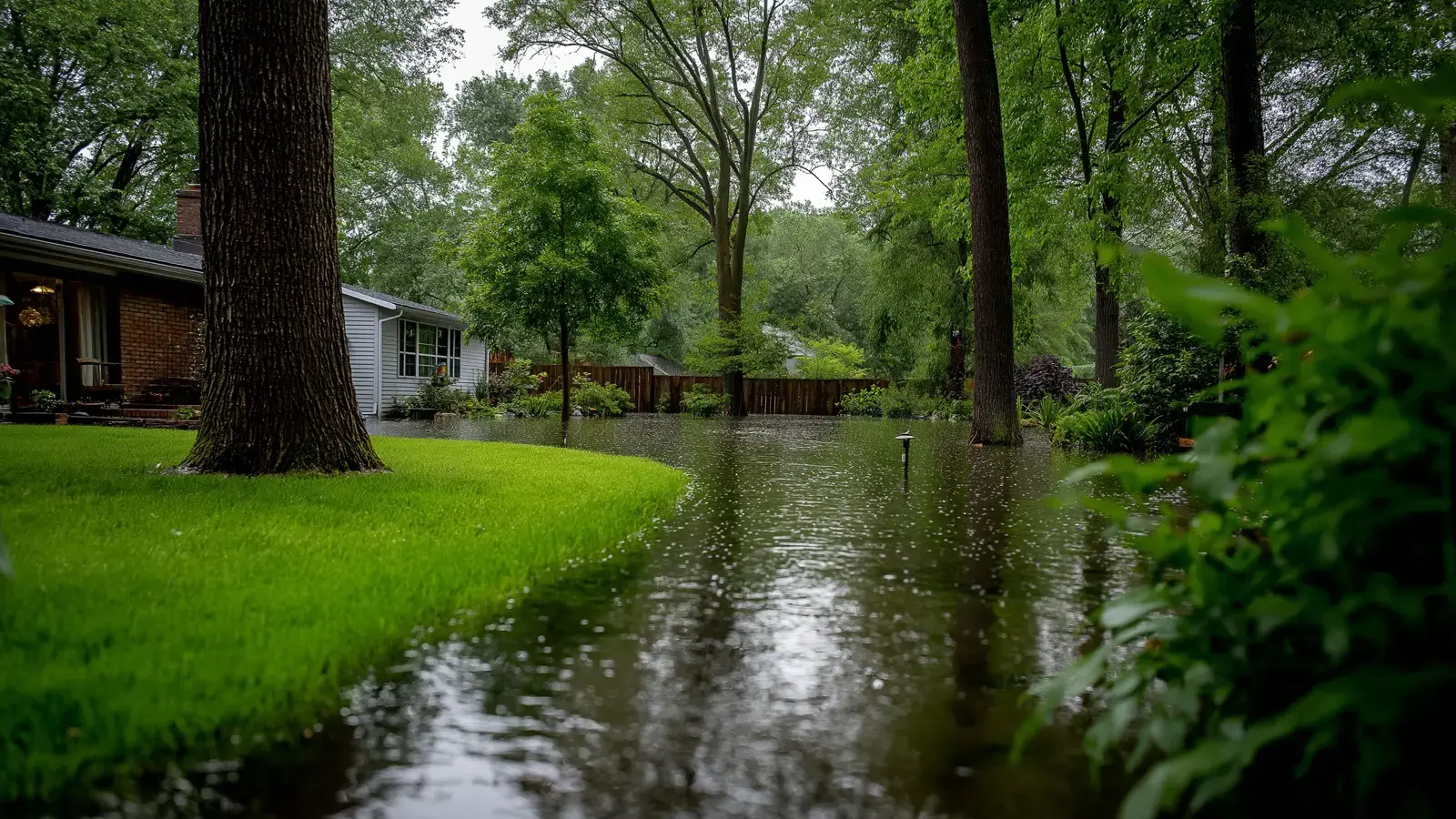
When standing water lingers on the surface or saturates the surrounding soil, it sets the stage for issues like soil erosion, stormwater runoff and structural damage to your lawn, hardscapes and even your home’s foundation. Water that sits too long also encourages pests, drowns plants and compromises your drainage pipe infrastructure over time.
In many cases, yard drainage problems originate from a few common causes:
- Poor grading that prevents the yard from being graded properly
- Compacted soil that restricts water absorption
- Uncontrolled roof runoff with no designated outlet
- Overflow or runoff coming from a neighboring property
Left unaddressed, these issues can lead to escalating damage and costly repairs. Implementing a thoughtful yard drainage solution early can help you avoid those outcomes while supporting a healthy, low-maintenance landscape.
Common Signs of Poor Yard Drainage
Identifying drainage issues early can save you time, money and hassle later. Some signs are obvious, while others may go unnoticed until they cause more serious problems. If your lawn consistently struggles with moisture or erosion, you may have a yard drainage issue.
Once you recognize these signs, the next step is understanding how your yard’s specific characteristics influence which solution will work best. From slope and compacted soil to the effects of roof runoff or shared property lines, no two drainage problems—or fixes—are the same.
Here are a few common red flags to watch for:
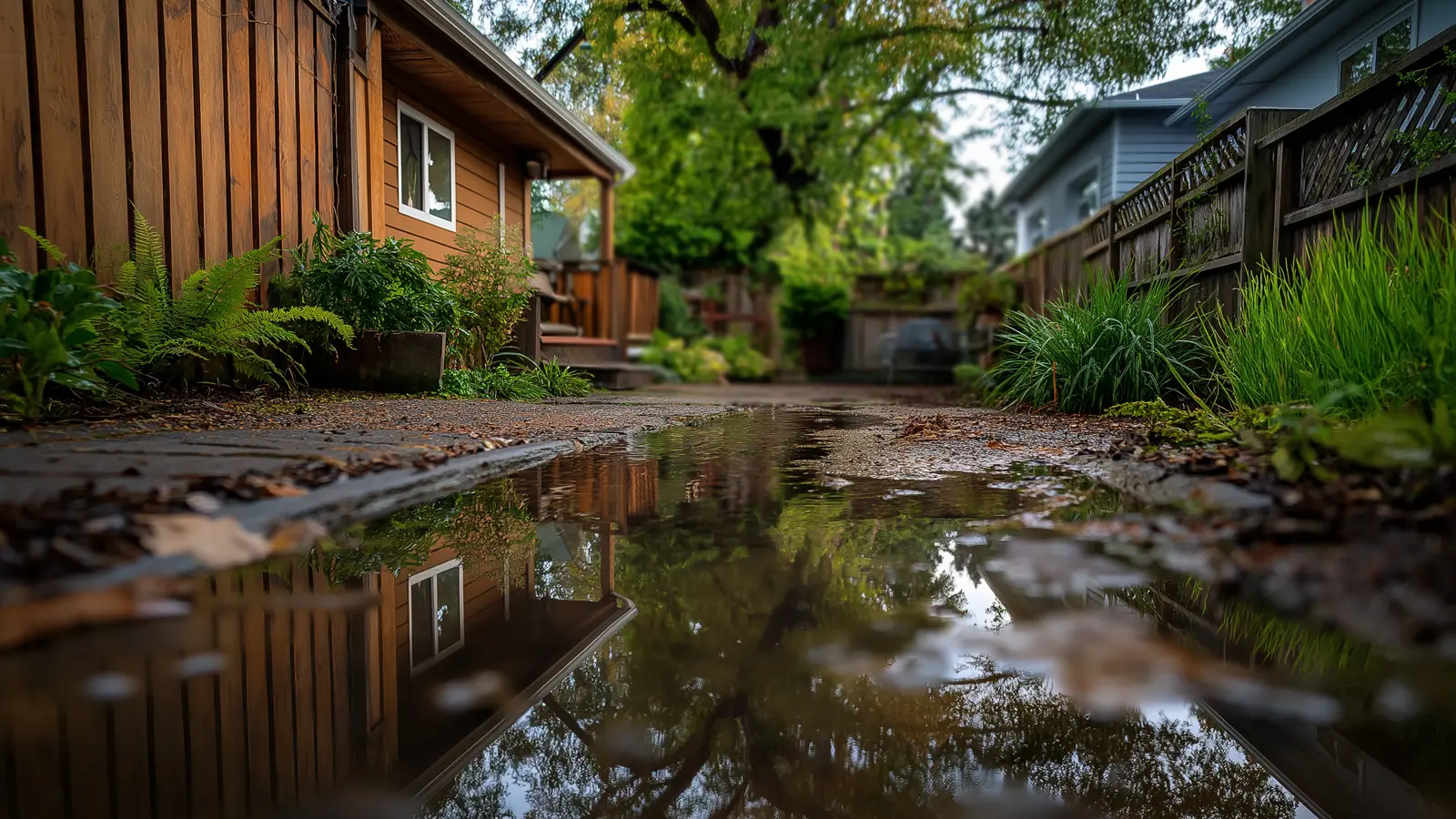
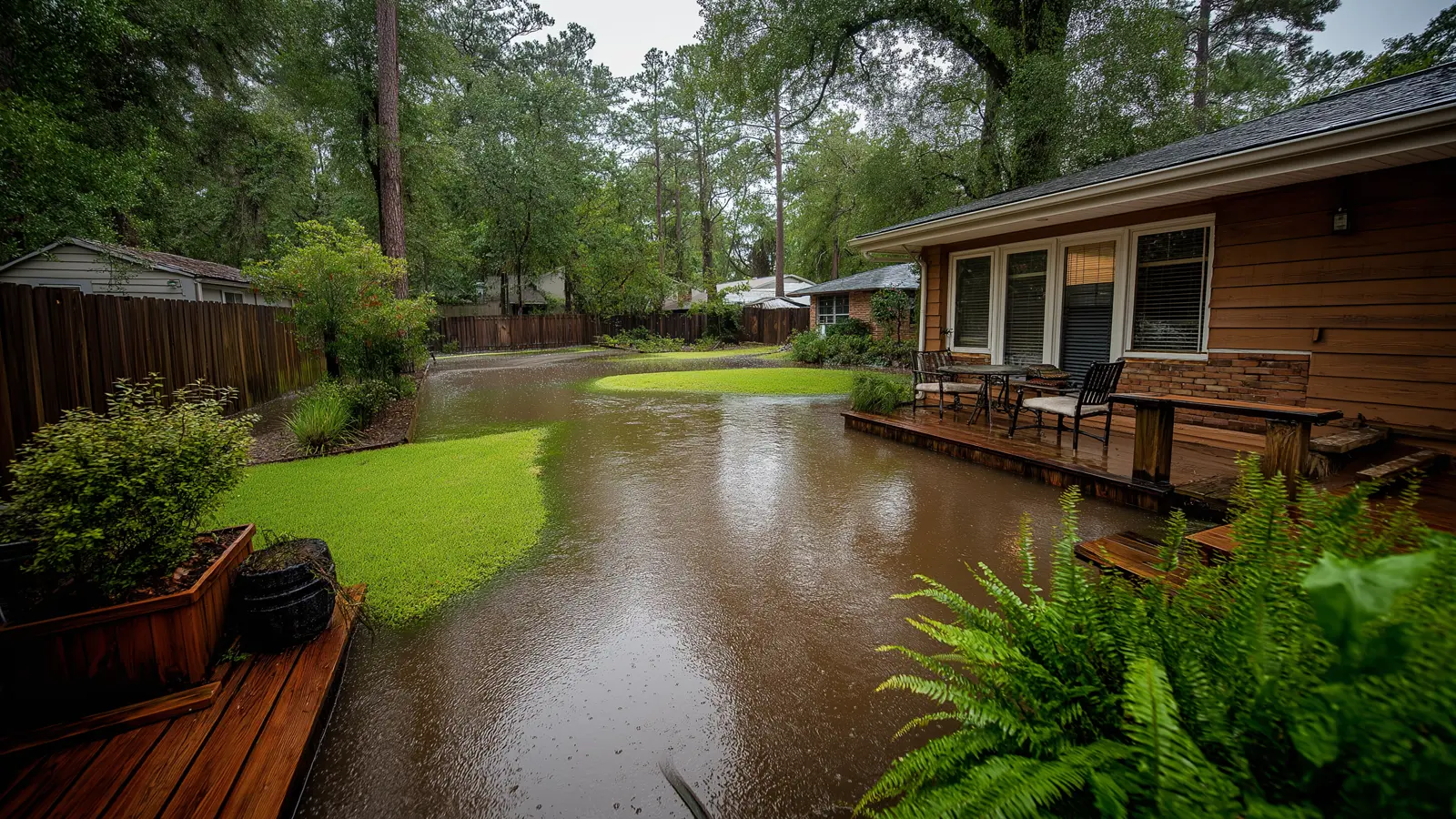
- Large puddles or pooling water after rain
- A soggy lawn that stays wet for days after a storm
- Water collecting near your home’s foundation
- Washed-out mulch, exposed roots or visible soil erosion
These symptoms suggest that surface water management is inadequate, potentially harming your surrounding soil and plant health. Installing the right yard drainage system can help resolve these problems and restore your landscape’s health and functionality.

Yard Drainage Solutions That Fit Your Landscape
Drainage systems are not one-size-fits-all. The right solution depends on how your landscape handles water, something shaped by elevation changes, compacted soil, slope direction and even how neighboring properties affect runoff patterns. Understanding these variables is key to creating an effective plan that doesn’t just redirect water but integrates with your landscape’s natural design.
For example, properties with large planting beds may require shallow trenching or targeted landscape drainage to protect root systems. Turf-heavy lawns may benefit more from subsurface systems like French drains or dry wells that manage water below ground without disturbing the surface. Areas with hardscapes—like patios, driveways or walkways—often need structured solutions like channel drains or storm drain tie-ins to move runoff quickly and prevent surface damage.
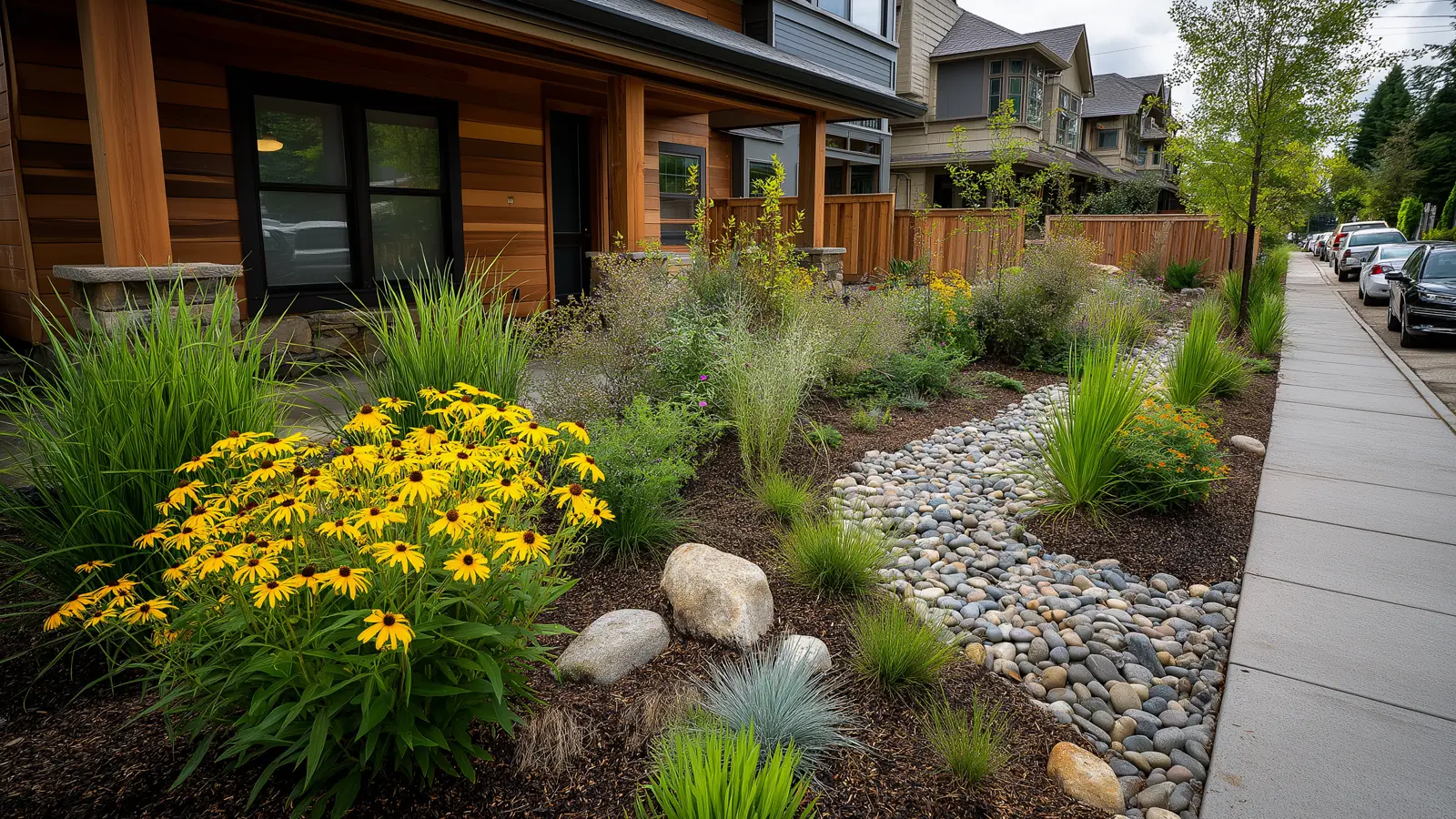
Decorative and ecologically friendly options like rain gardens and dry creek beds can also play a role in your drainage plan, especially for homeowners looking to balance utility with aesthetics. These features enhance your landscape visually while also helping manage stormwater runoff and reduce erosion. Choosing the right combination of systems means aligning function with form and understanding how each part of your yard responds to heavy rain, overflow or poor percolation.


Best Yard Drainage Systems and How They Work
No two landscapes are exactly alike, which is why there’s no one-size-fits-all fix for yard drainage problems. Factors like slope, soil texture, water source and the layout of your hardscapes all affect how drainage systems should be designed and installed. Whether you’re trying to manage surface water, improve a soggy lawn or protect your home’s foundation, here are some of the most effective systems used to direct water away from problem areas.
French Drain
A French drain is one of the most popular and effective ways to collect water from low spots and move it away from the yard through a drain pipe buried in a narrow trench. It’s beneficial for tackling standing water in lawns and near foundations.
How it works:
- A perforated drainage pipe is laid inside a trench that runs slightly downhill
- The pipe is wrapped in fabric and surrounded by gravel to allow water in and keep debris out
- Water is directed to a dry well, storm drain or another approved outlet
When installed correctly, a French drain helps preserve your surrounding soil, reduces erosion and prevents chronic water pooling. It’s a versatile solution that can be adapted to fit many yard types and drainage needs.
Tip: Homeowners can install a French drain as a DIY project, but professional installation helps ensure it’s properly sloped and working correctly.
Catch Basin
A catch basin sits at ground level and collects surface water and debris before sending it through a buried pipe network. It’s ideal for flat yards or low points where pooling water becomes an issue.
Advantages:
- Effectively removes water runoff from hardscaped areas like patios and driveways
- Prevents clogs and backups in underground yard drainage systems
- Pairs well with channel drains and French drains for broader coverage
Adding a catch basin is a strategic way to intercept water before it spreads, especially in areas where heavy rain causes localized flooding. It also helps reduce maintenance by trapping debris before it enters your drainage system.
Dry Creek Bed
A dry creek bed is an excellent solution for homeowners looking to address drainage issues while enhancing the visual appeal of their yard. This system uses decorative rocks, boulders and native plants to create a realistic, stream-like path that channels water through the yard.
Benefits:
- Mimics the flow of a natural creek to guide stormwater runoff
- Blends seamlessly into your landscape design
- Helps absorb water gradually into the surrounding soil
Dry creek beds not only help prevent erosion, but they also serve as a beautiful focal point in any outdoor space. They’re an ideal blend of function and style that works well in both large and small landscapes.
Rain Garden
A rain garden is a shallow depression planted with water-tolerant native plants that can absorb rainwater from roofs, driveways and walkways. It’s a functional and eco-friendly way to collect water and improve infiltration.
Why it works:
- Slows and filters roof runoff and surface flow
- Reduces soil erosion, improves soil health and supports wildlife
- Helps prevent water drainage problems and reduces your environmental impact
Because rain gardens rely on natural processes, they require minimal maintenance and offer long-term environmental benefits. They also bring seasonal color and habitat diversity to your yard while helping solve drainage problems organically.
Channel Drain
A channel drain is a surface-level trench covered with a metal or plastic grate, ideal for capturing runoff on paved surfaces. Commonly installed at the bottom of slopes or along driveways and patios, this system ensures water doesn’t pool near structures.
Key features:
- Often installed alongside a catch basin for added efficiency
- Requires a connected pipe system to route water to a safe discharge point
Channel drains are especially effective for hardscape-heavy properties and help maintain the integrity of pavers, concrete and other materials by keeping surface water under control. They’re a smart choice for both residential and commercial landscaping projects.
Each of these solutions plays a vital role in managing excess water and preserving your landscape. The right combination depends on your property’s topography and existing drainage challenges.

Where to Install Yard Drainage Systems
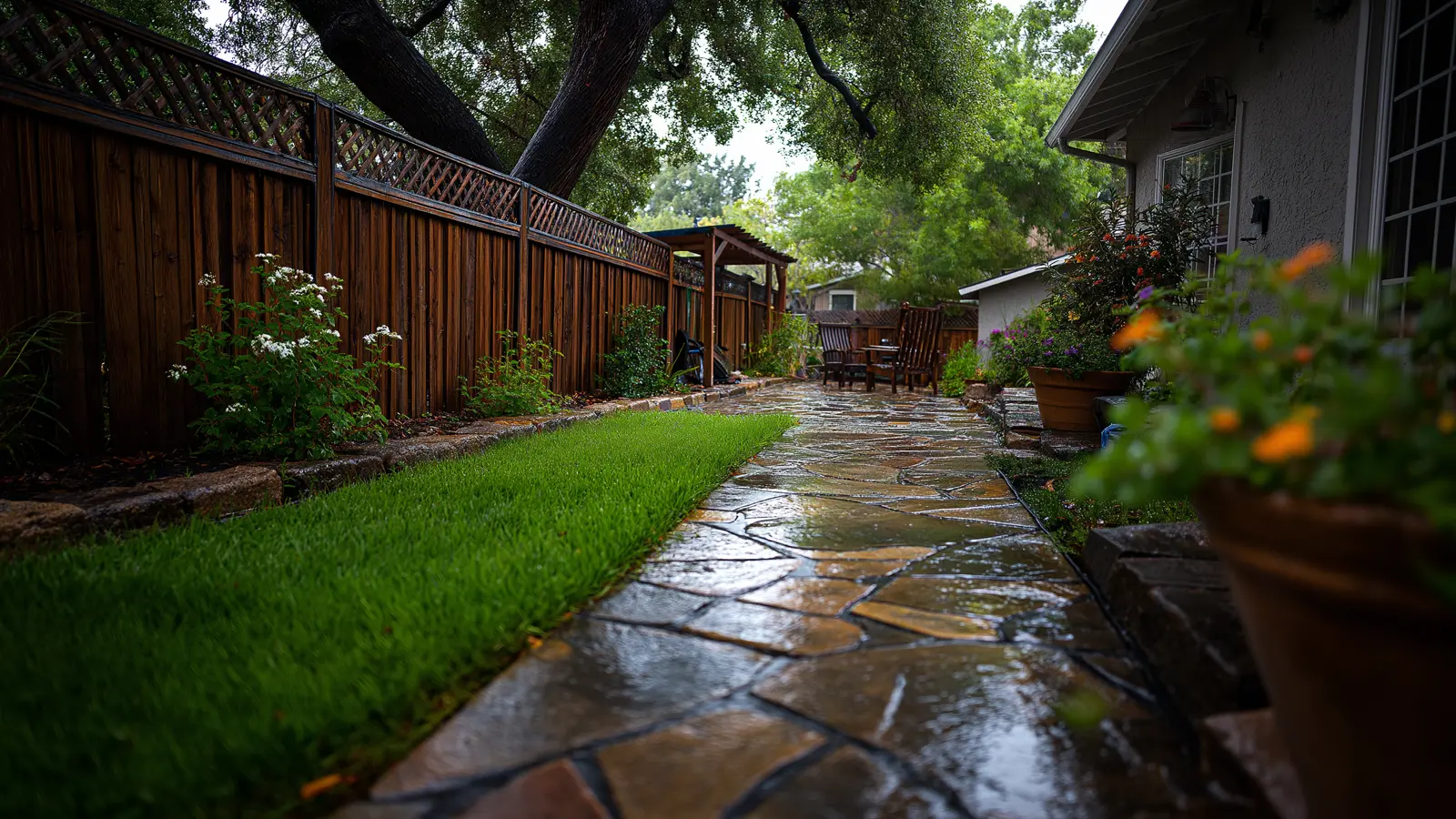
Installing a yard drainage system is only effective if it’s placed in the correct location. Poor placement can unintentionally shift water problems to other areas or cause runoff to damage nearby features like patios, walkways or your home’s foundation. Careful planning is essential to ensure your system not only resolves existing issues but also prevents new ones from forming.
Here’s what to consider:
- Look for low-lying areas or spots that collect water
- Avoid placing systems too close to your home’s foundation
- Evaluate the yard’s slope to direct water away from structures
These areas often act as collection points for stormwater runoff or roof runoff, making them ideal locations for drainage solutions like French drains or dry wells. Since most systems are installed underground, be sure to assess the presence of tree roots, utility lines and hardscaping elements to avoid conflicts and ensure smooth water flow.
Get Your Yard Flowing Again
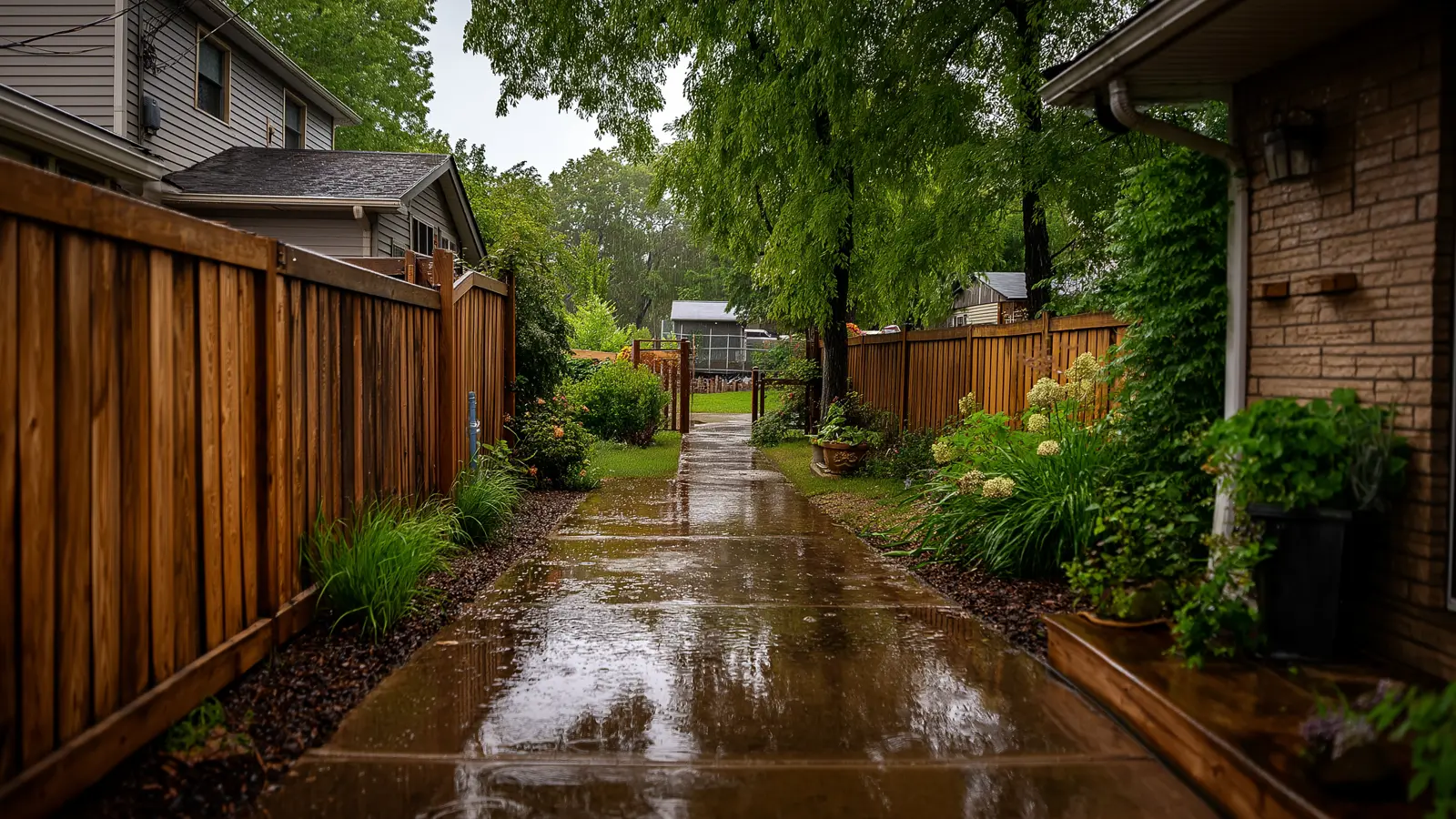
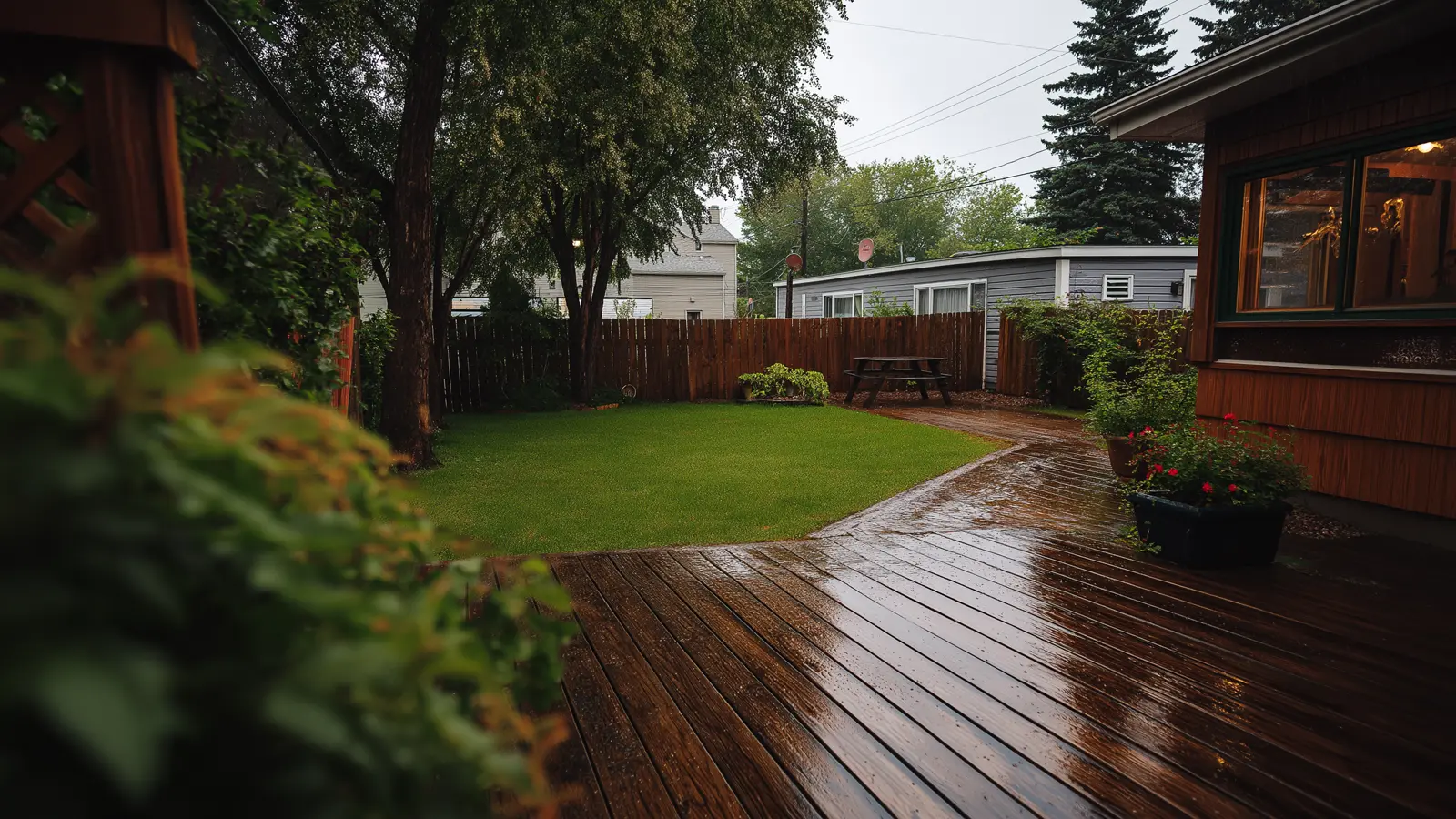
Dealing with yard drainage issues can feel overwhelming, especially when standing water, erosion or soggy turf keeps returning despite repeated fixes. But the good news is that with the right strategy and system, even long-standing drainage challenges can be solved efficiently and effectively. Whether you’re managing runoff from a sloped lawn, fixing puddles near the patio or trying to stop roof runoff from undermining your landscape, expert help makes all the difference.
At Hemlock Landscapes, we go beyond surface-level solutions. Our team takes a comprehensive approach—evaluating your yard’s layout, soil conditions and surrounding influences—to determine what’s really causing the issue. We then design a tailored plan using proven methods, such as French drains, dry creek beds and storm drain tie-ins, to prevent standing water and restore the health of your property.
With more than 20 years of experience in Northeast Ohio, we’ve helped countless homeowners transform wet, damaged yards into dry, functional spaces they can enjoy again. Contact Hemlock Landscapes today to schedule your custom drainage assessment. Let’s get your yard flowing properly—and beautifully—season after season.