
Summer Lawn Stress: How to Spot, Repair and Prevent Heat Damage
Learn how to spot early signs of summer lawn stress, revive damaged turf and protect your grass from heat, drought and disease all season long.
Summer heat and inconsistent rain can create the perfect storm for lawn problems. Even a healthy lawn in spring can quickly weaken during the summer, especially in full-sun areas where evaporation rates are highest. For homeowners in Northeast Ohio with cool-season grasses like Kentucky bluegrass or tall fescue, summer lawn stress is a real challenge—these grasses are not naturally designed to handle intense heat and drought. Without the proper cultural practices, lawns can develop brown patches, bare spots or even be overtaken by weeds and pests.
Lawn heat and drought stress impact the grass at multiple levels, from roots to leaf blades. Insufficient moisture during the growing season limits root development and depletes food reserves, making the turf more vulnerable to insect damage, lawn diseases and mechanical harm from mowing or foot traffic. Over time, a cool-season lawn suffering from heat stress will weaken further, making recovery slower and more difficult. Recognizing the signs of heat stress, knowing how to repair the damage and taking steps to prevent it can help you keep a green, healthy lawn even during late summer dry spells.
This guide will walk you through everything from spotting early signs of summer stress to repairing a dry lawn and preventing future problems. Whether dealing with compacted soil, sandy soils that dry out quickly or high-traffic areas, these strategies will help keep your lawn healthy and resilient.
Recognizing Lawn Heat Stress
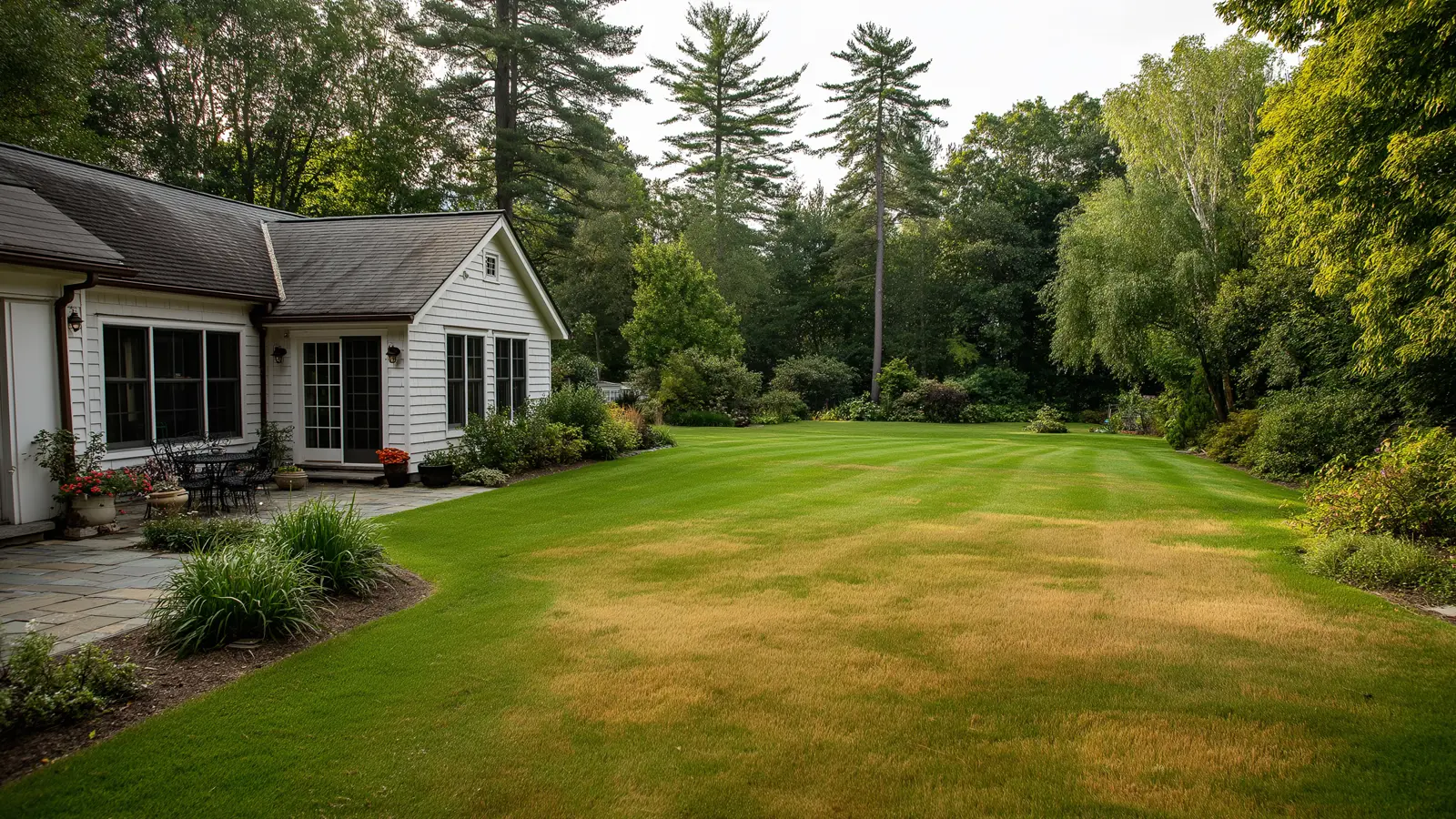
A healthy lawn can quickly change under summer heat, and recognizing early signs of trouble is the first step toward saving it. During summer, both cool-season lawns like Kentucky bluegrass and tall fescue, as well as warm-season grasses in other climates, can experience heat stress when soil moisture drops and evaporation rates increase. The grass begins to conserve energy and water, slowing growth and changing in color and texture. Spotting these signs early can prevent the turf from becoming weakened, which is more complicated and more expensive to repair later.
Lawn stress isn’t only caused by heat. Factors such as heavy foot traffic, compacted soil, pests and lawn diseases can mimic or worsen heat and drought stress symptoms. Cool-season turf in full sun or on sandy soils may dry out faster, while shaded or irrigated areas might remain green longer. By learning to distinguish between heat stress, pest activity and lawn disease, you can apply the correct cultural practices to protect root growth and keep your yard healthy throughout the season.
What does a heat-stressed lawn look like?
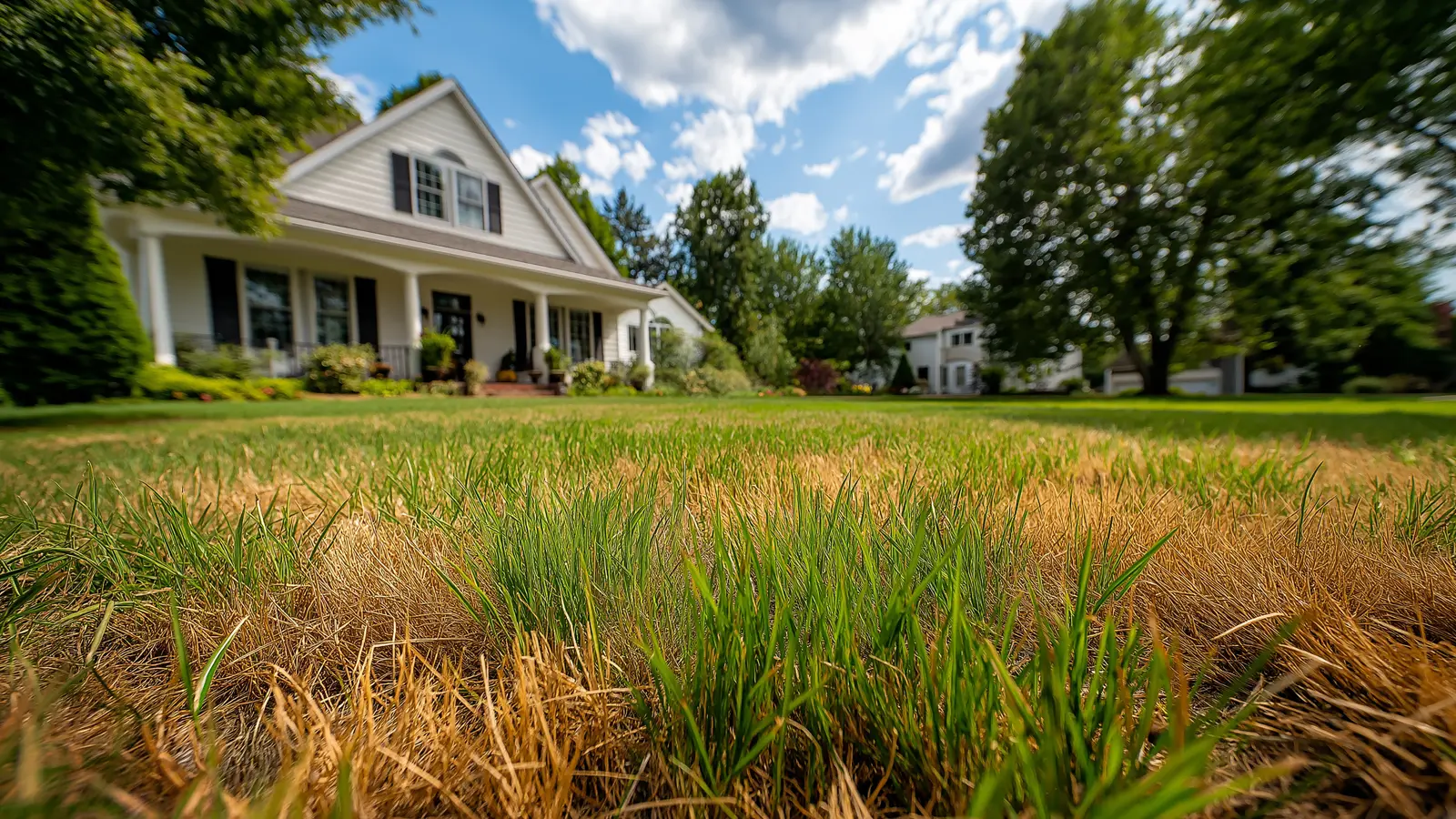
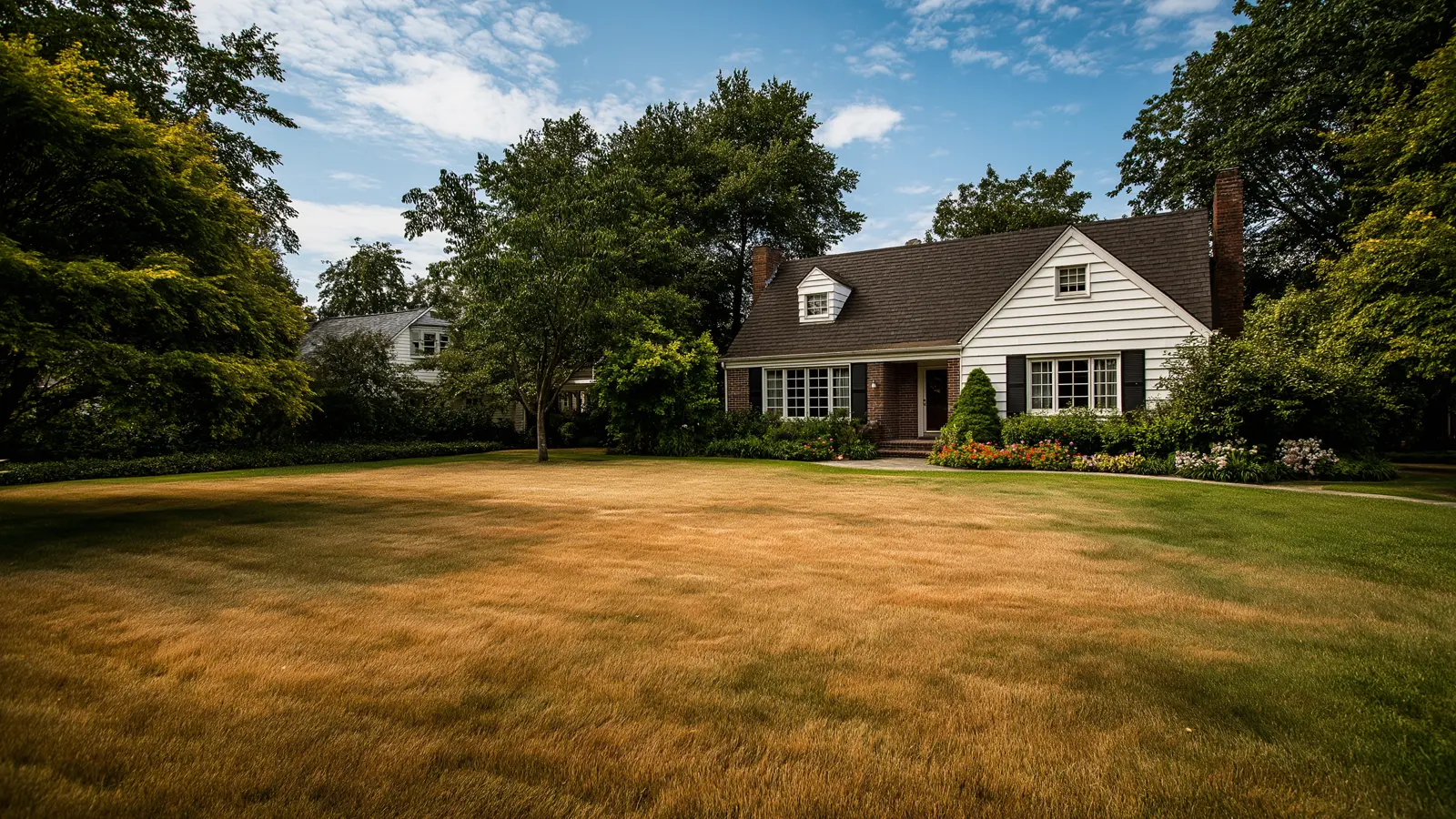
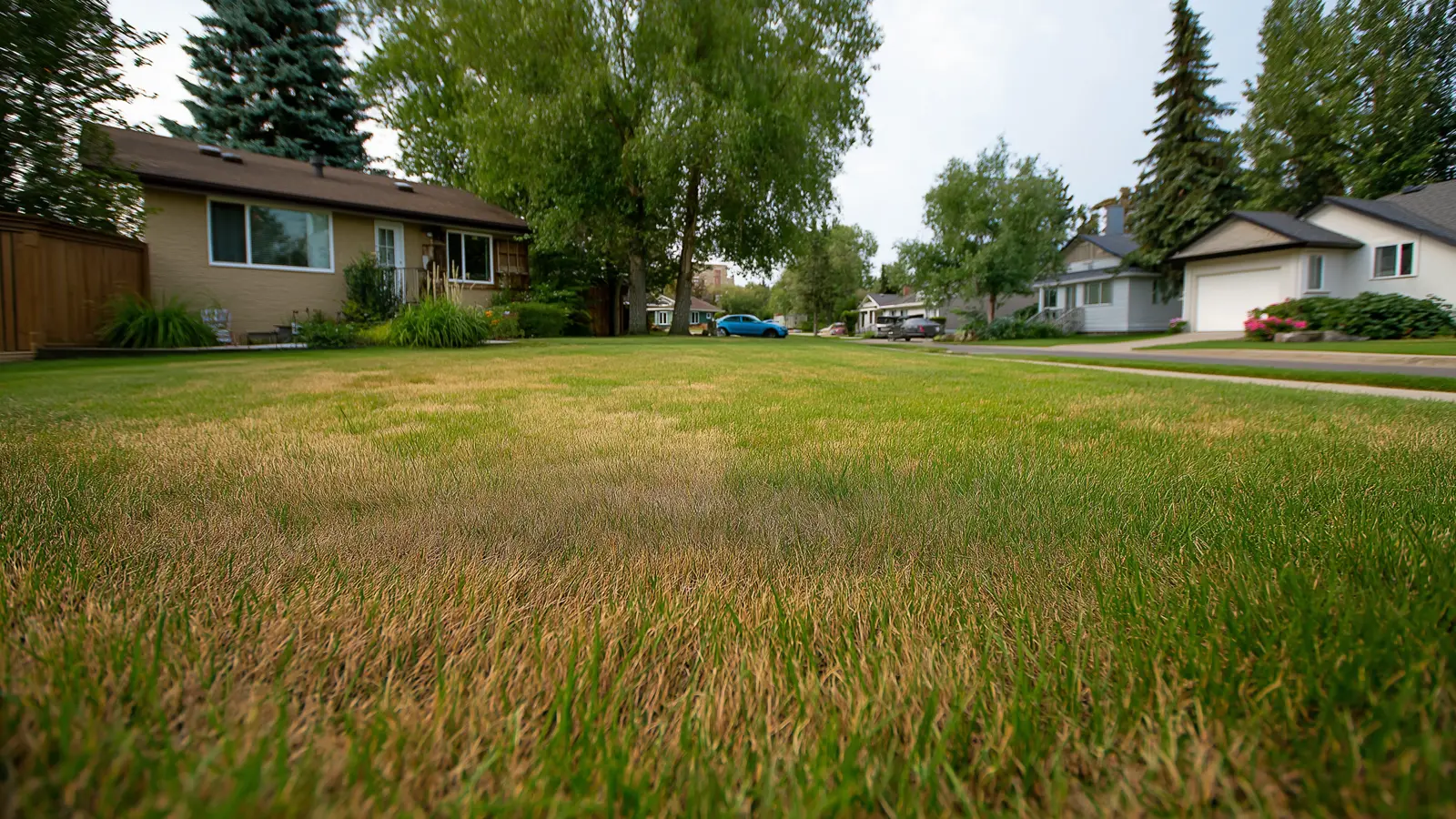
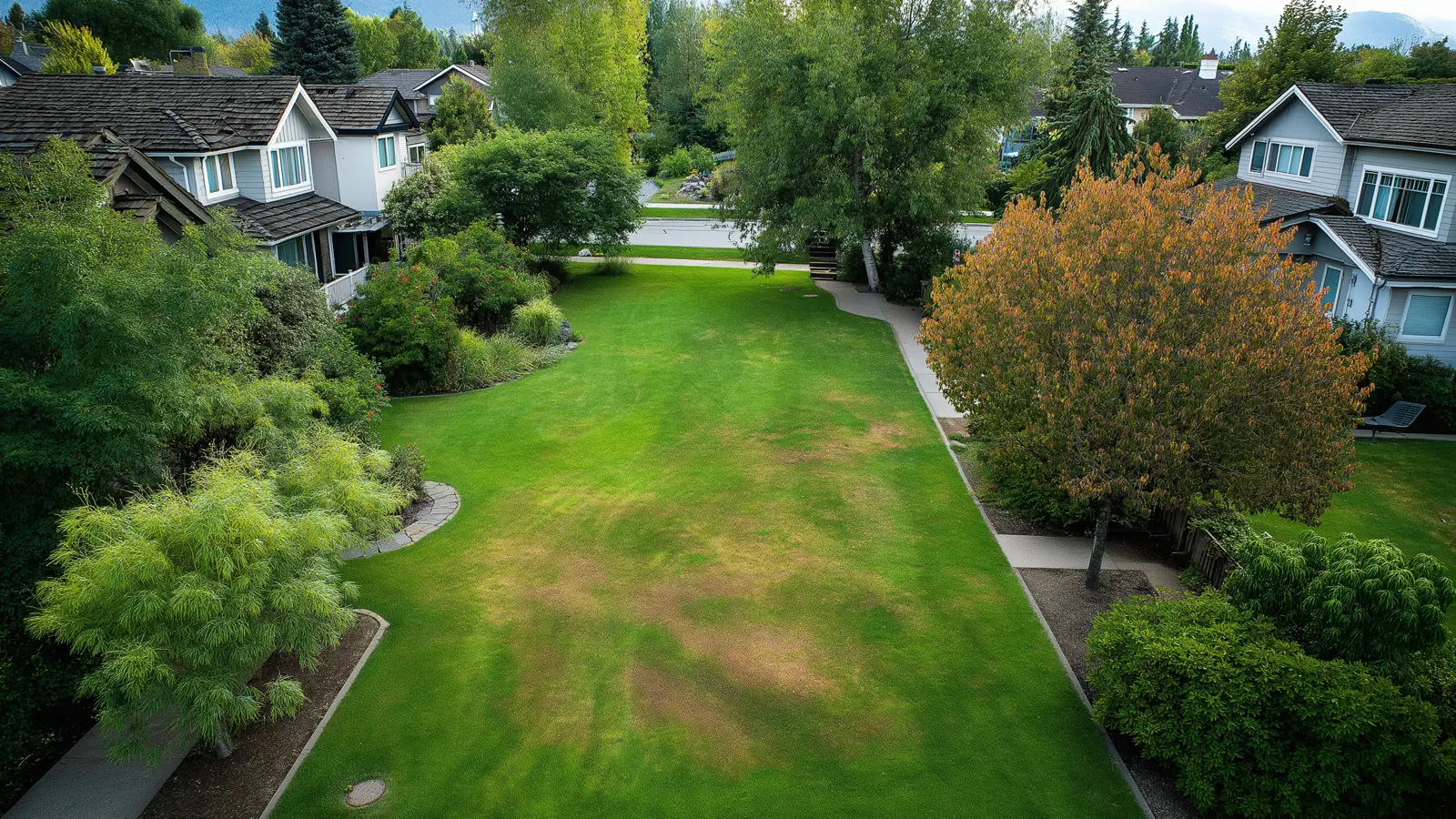
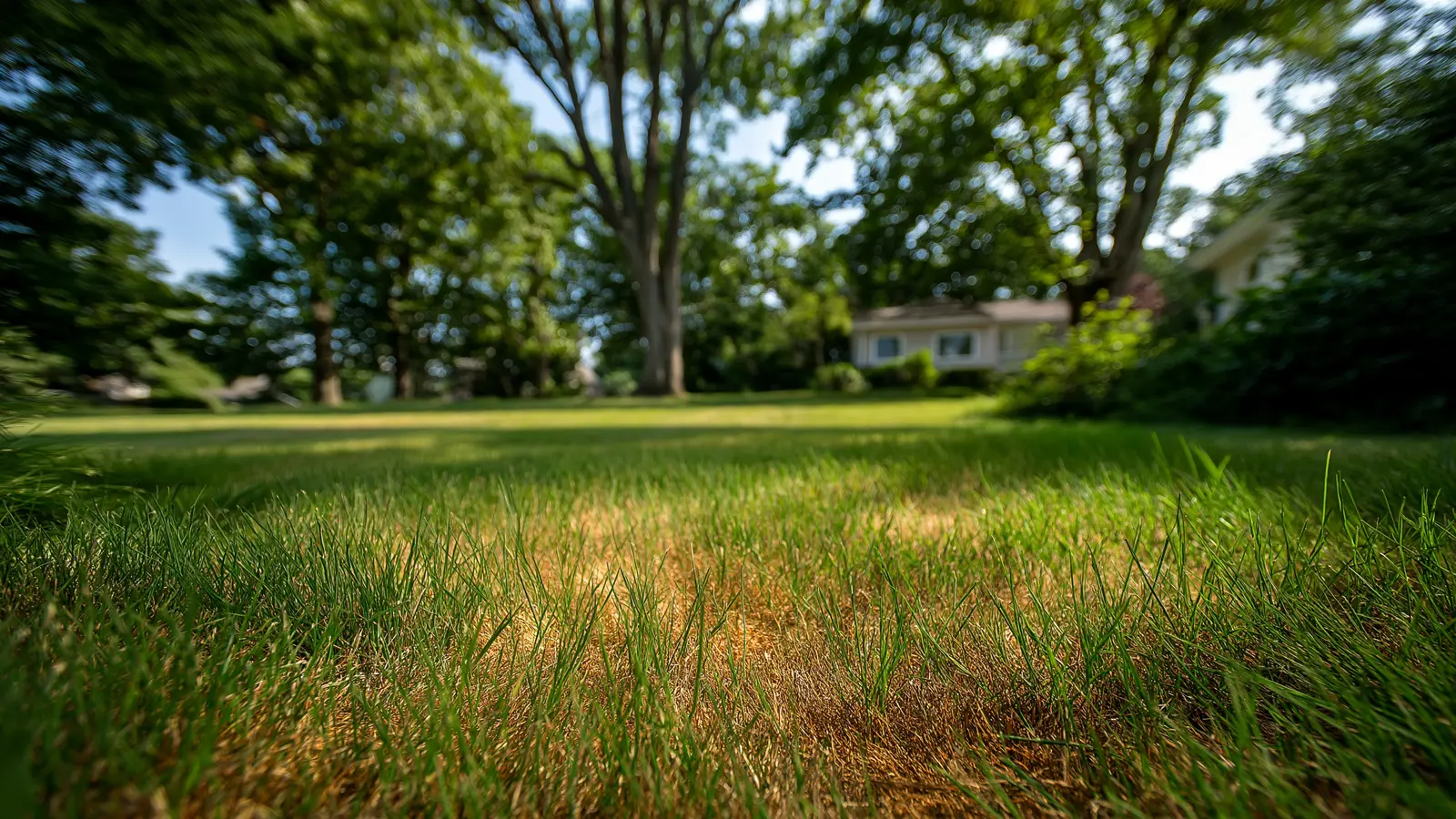
Heat-stressed grass usually shifts from a vibrant green to a dull, bluish-green before turning yellow or brown. Brown patches may appear in spots or spread across the yard, especially in areas with compacted soil or uneven irrigation coverage. In cool-season turf, you might see leaf blades folding or curling to conserve moisture. When you walk on the lawn, footprints stay visible because the grass blades lack enough water pressure to spring back. This is one of the earliest visual signs of drought stress.
Lawn heat stress can be more severe in areas with full sun or spots with thin soil layers over hard ground. Sandy soils drain too quickly, while clay-heavy soils may have poor infiltration, leaving the surface dry but the roots deprived of water. If the heat and drought continue, the thatch layer can become brittle, leading to a dry lawn that has difficulty recovering even when moisture is restored.
How to tell if grass is stressed vs. diseased or pest-damaged
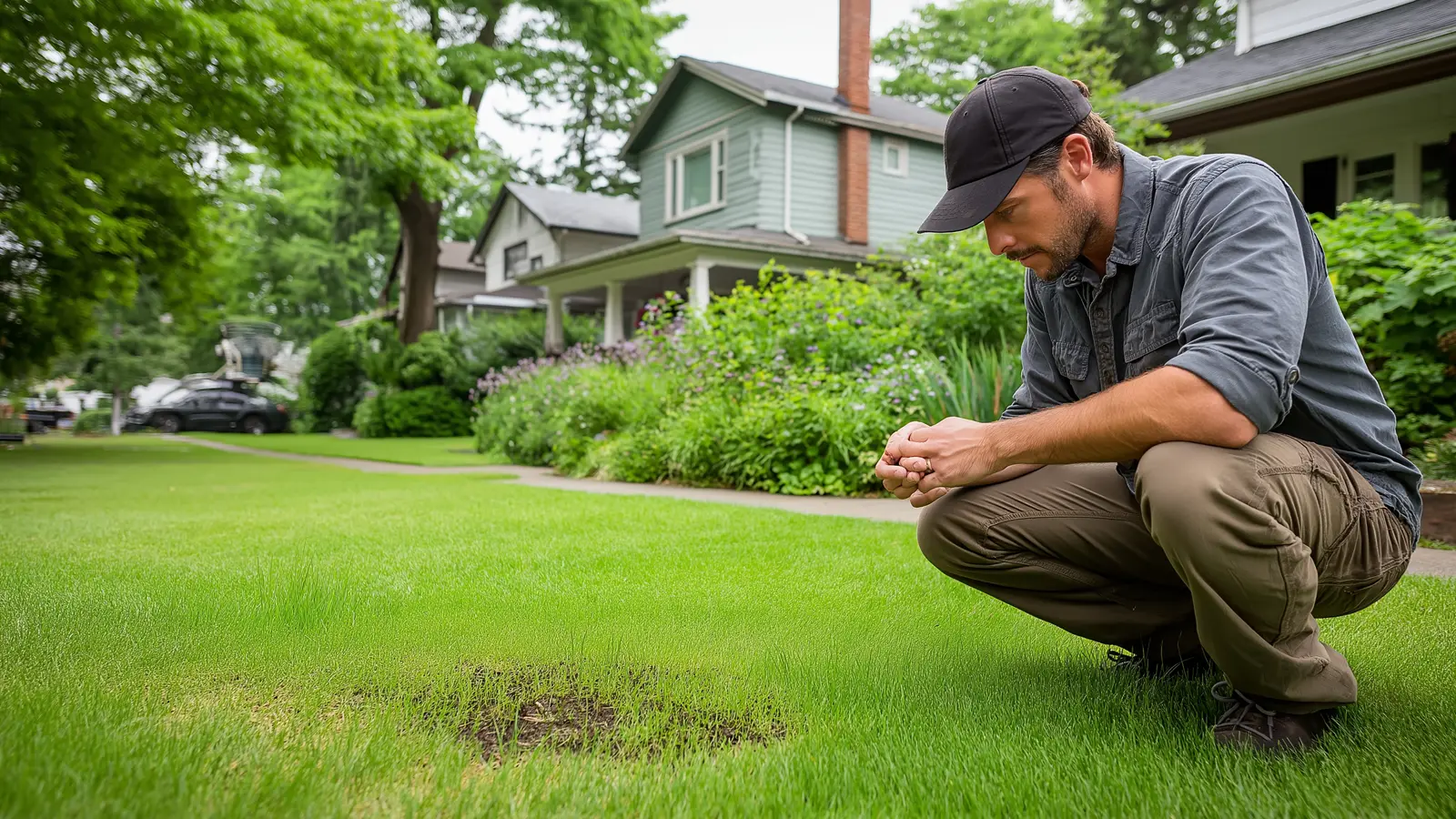
It’s easy to mistake heat stress for lawn diseases like brown patch or dollar spot or for pest activity from white grubs and other insects. The key difference lies in the pattern and its progression. Heat stress usually impacts the highest, driest or sunniest areas first, while lawn diseases often show up as irregular shapes with clear borders caused by fungal growth. Pests, on the other hand, create localized dead patches where the turf pulls up easily due to root damage.
To confirm heat stress, check soil moisture by inserting a screwdriver or probe into the soil surface. If it’s difficult to penetrate and feels dry several inches down, drought stress is probably the cause. A lawn care professional can help identify overlapping issues like pest activity or lawn diseases, ensuring you treat the root cause rather than just the symptoms.
How can I tell what’s killing my lawn?
In the summer season, multiple stressors can combine—heat, dry weather, soil compaction, weeds, pests and even poor mowing practices. If you’re unsure, start by narrowing down the possibilities:
- Is the damage spreading quickly after rain? This could be a disease.
- Are there signs of insect damage in the soil or at the roots? White grubs are a common culprit.
- Does the lawn green up in shaded or irrigated areas but not in sunny spots? That points to heat and drought stress.
Professional lawn care companies often use diagnostic tools, soil testing and even aerial imagery to determine the cause. If you prefer a DIY approach, keep detailed notes on weather, watering, mowing and pest sightings during the growing season. This record can reveal patterns and help you take corrective action before your lawn becomes weakened.
Causes and Contributing Factors
High summer heat and dry conditions are the leading causes of summer lawn stress in cool-season grasses. When soil moisture falls below what the grass needs, photosynthesis slows down and growth stops. This weakens the turf, making it more vulnerable to lawn diseases, pests and weeds. A stressed cool-season lawn may go dormant, turning brown to conserve its food reserves until enough moisture returns.
Another major factor is soil compaction. Heavy foot traffic from kids, pets or yard equipment compresses the soil surface, limiting air and water flow. In compacted soil, roots cannot grow deep enough to access stored moisture, causing turf species to suffer more quickly in heat and drought. Thatch buildup can worsen this by blocking water from penetrating and increasing leaf wetness, which can lead to fungal outbreaks.
Mowing too short is also a common mistake. The 1/3 rule—never cutting off more than one-third of the leaf blade at a time—is vital for healthy growth, especially late in summer. Cutting short reduces the plant’s ability to shade its roots, boosts evaporation from the soil and restricts root growth. When combined with heat and drought, these issues create ideal conditions for a dry lawn and brown patch disease.
Recovery Strategies for Heat-Stressed Lawns
Once you’ve identified heat stress in your lawn, the next step is creating a recovery plan that promotes healthy growth without causing additional stress. A lawn in a weakened state needs time, sufficient moisture and proper cultural practices to restore its food reserves and rebuild strong roots. Whether you’re working with cool-season grasses like Kentucky bluegrass and tall fescue or warm-season grasses, recovery requires patience and precision—pushing the turf too hard can lead to long-term damage.
The recovery process should focus on relieving drought stress, enhancing soil moisture retention and reducing other stressors like heavy foot traffic or aggressive mowing. Each turf type responds differently to summer heat and dry conditions, so customizing your approach to your grass species and site conditions is crucial. By adjusting watering routines, mowing height and nutrient applications, you can help your lawn recover from drought and become resilient and green again as summer comes to an end.
How to recover a heat-stressed lawn
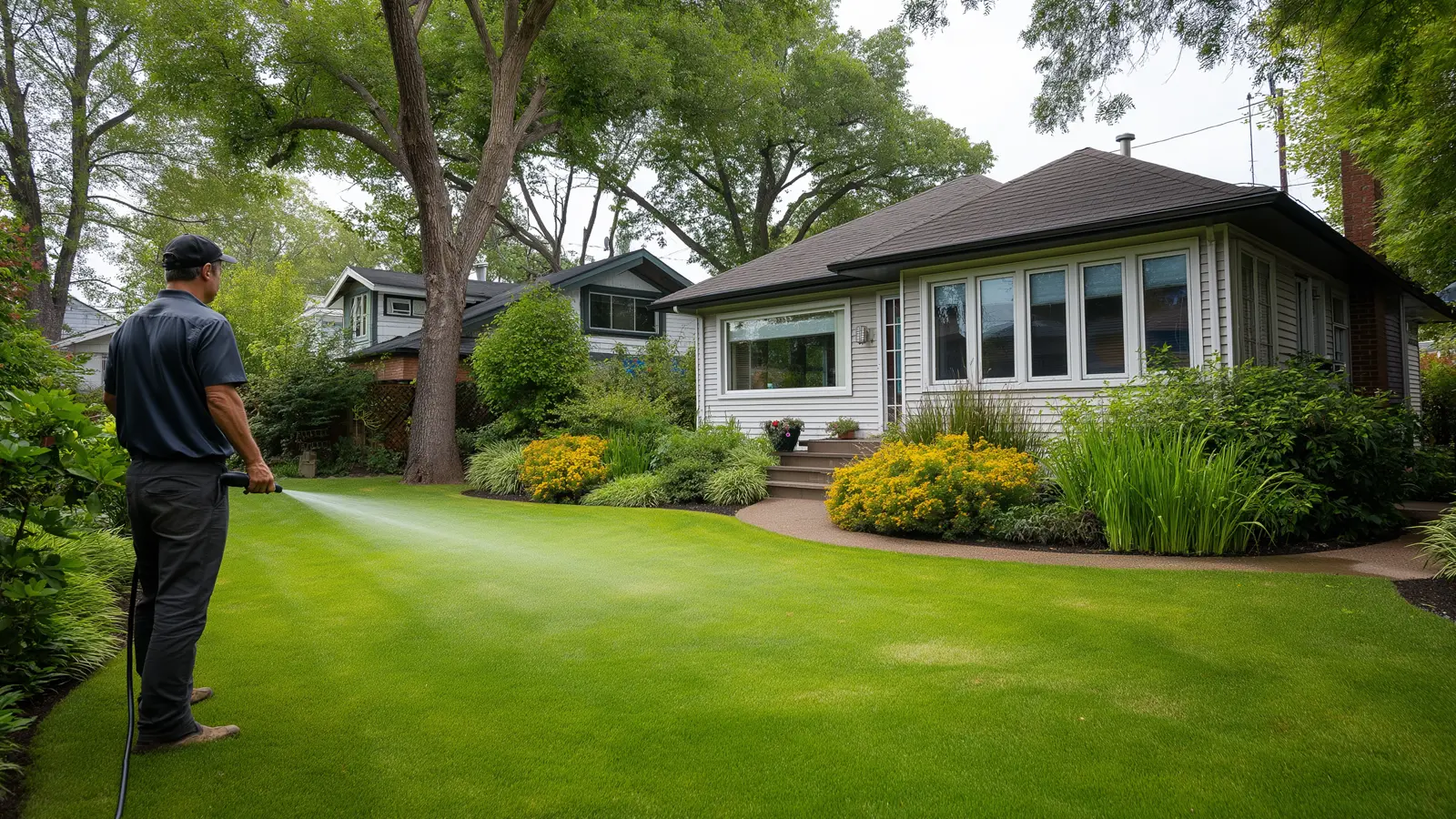
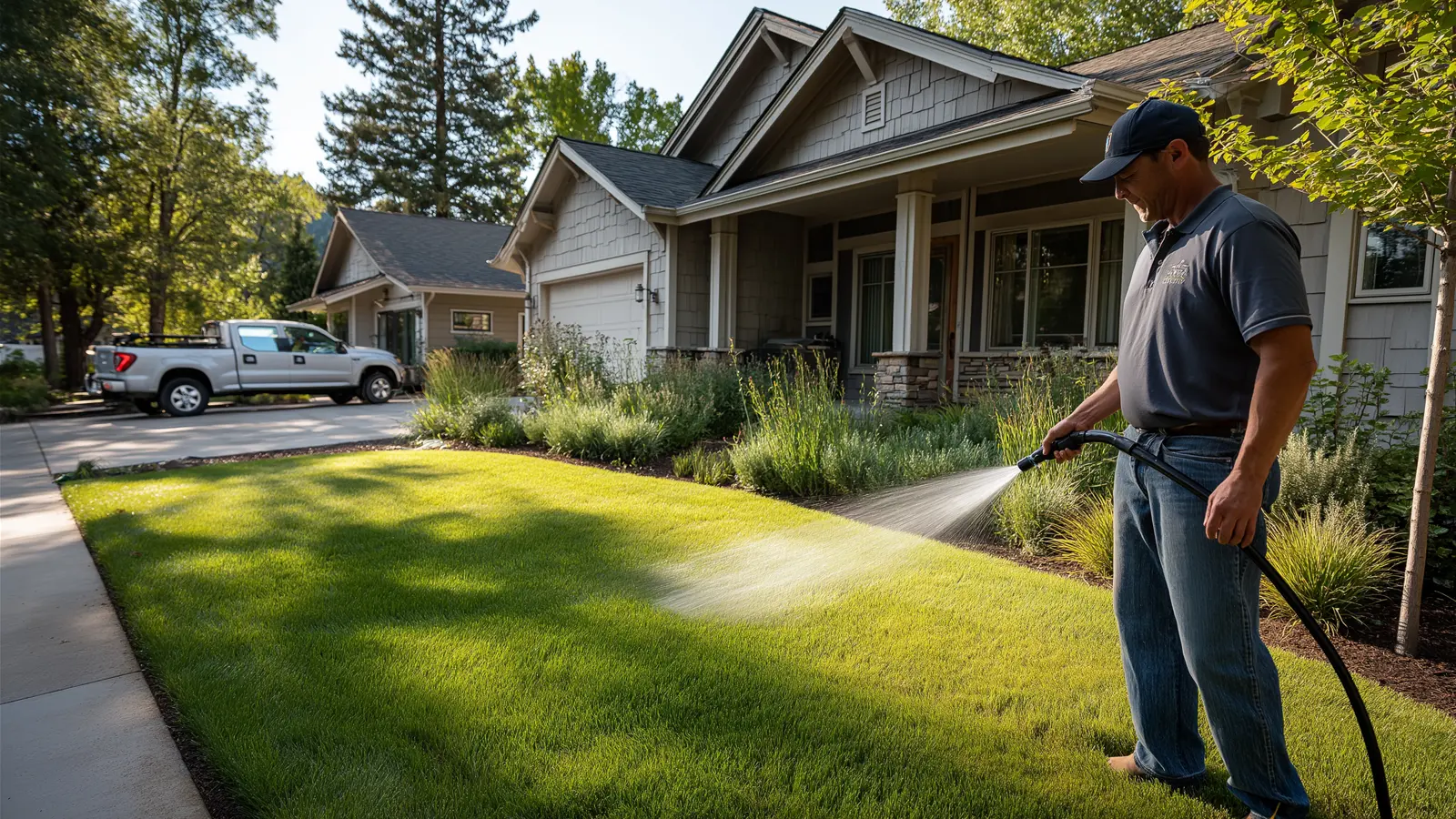
The key to recovery is restoring enough moisture without overwatering. Water deeply and infrequently, preferably early in the morning when evaporation rates are lowest. This encourages deep roots, which are more resistant during dry conditions. Avoid watering at night, as prolonged leaf wetness can increase the risk of lawn diseases like dollar spot.
Raise your mowing height to protect the soil surface and keep the grass blades longer for better shade. Hold off on fertilizing until the lawn has recovered from summer stress—feeding during heat stress can cause more damage by stimulating top growth when the roots can’t support it. Watch for weeds and pests but avoid heavy chemical treatments while the lawn is still weak.
How long does it take for grass to recover from heat stress?
Recovery time varies depending on the turf type, drought severity and whether the lawn went into full dormancy. Cool-season lawns like Kentucky bluegrass can take two to four weeks to recover after summer heat subsides and moisture returns, while tall fescue might recover quicker because of its deeper root system. Warm-season grasses, however, are naturally more heat-tolerant and often bounce back faster.
If your lawn stays brown into fall despite regular watering, there could be underlying problems like soil compaction, thatch buildup or pest activity. In such cases, targeted lawn care practices such as aeration, overseeding and soil amendments are necessary to promote healthy growth. Patience is essential—trying to speed up recovery with heavy watering or high-nitrogen fertilizers may cause more harm than good.
Should I mow a stressed lawn?
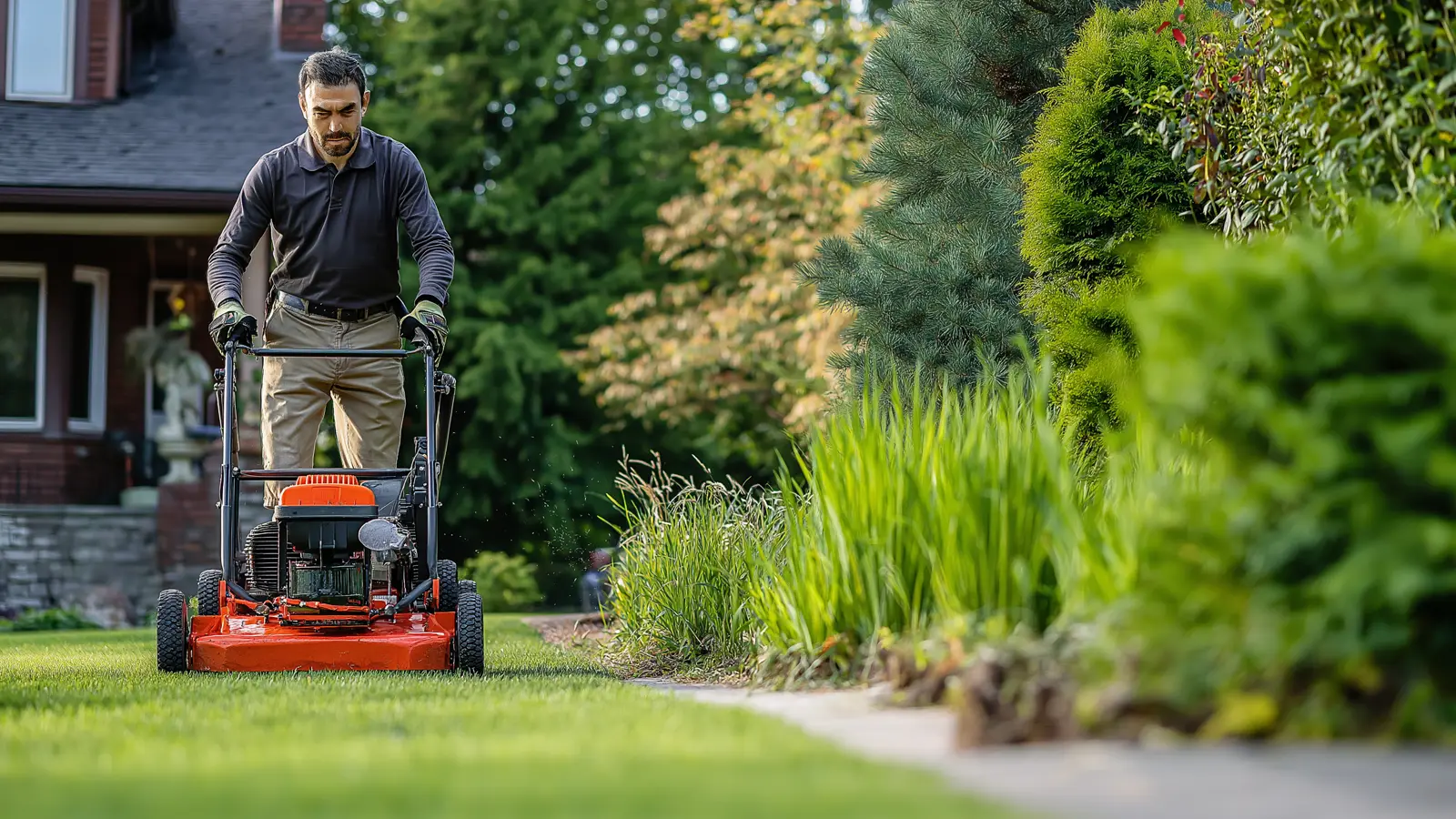
Yes, but proceed with caution. Keep mower blades sharp to avoid tearing the leaf blade, which can increase water loss and the risk of disease. Set your mower to its highest setting suitable for your grass type—cool-season turf benefits from extra leaf surface to shade the soil and lower evaporation rates. Avoid mowing during the hottest part of the day when the turf is under the most stress.
Limit heavy foot traffic on stressed areas until the lawn has restored adequate moisture. Repeated mowing and yard activity on a weakened lawn can compact the soil surface and hinder root growth. When unsure, skip a mowing cycle and allow the grass to concentrate on recovery rather than regrowth.
Repairing Damaged or Dead Patches
Even with the best summer lawn care, prolonged heat stress, drought, pest activity or lawn diseases can leave visible scars across your yard. A dry lawn that has thinned or developed bare spots will not fully recover without targeted repair, especially if underlying issues—like compacted soil, uneven irrigation or heavy foot traffic—remain. Repairing these areas not only restores a uniform, green lawn but also strengthens the entire turf, making it more resilient for the next growing season.
The appropriate repair approach depends on the extent of the damage and the turf species involved. Cool-season lawns such as Kentucky bluegrass or tall fescue respond well to late summer and early fall renovation, while warm-season lawns need earlier action during their active growth period. By combining soil improvement, proper reseeding and consistent aftercare, you can revive stressed or damaged areas and prevent the same problems from recurring year after year.
How to repair a stressed lawn
Aeration is one of the best methods to reverse soil compaction and improve water and nutrient flow to the roots. This is especially effective in late summer or early fall when cool-season grasses are entering their peak growth period. Overseeding after aeration helps fill in thin spots with turf varieties suited to your yard’s conditions.
Topdressing with compost enhances soil structure, boosts water retention in sandy soils and provides slow-release nitrogen for consistent growth. If irrigation coverage is uneven, adjust sprinkler heads or install drip lines for targeted watering. Fixing these issues ensures the lawn stays healthy beyond just the summer.
How to repair badly damaged grass
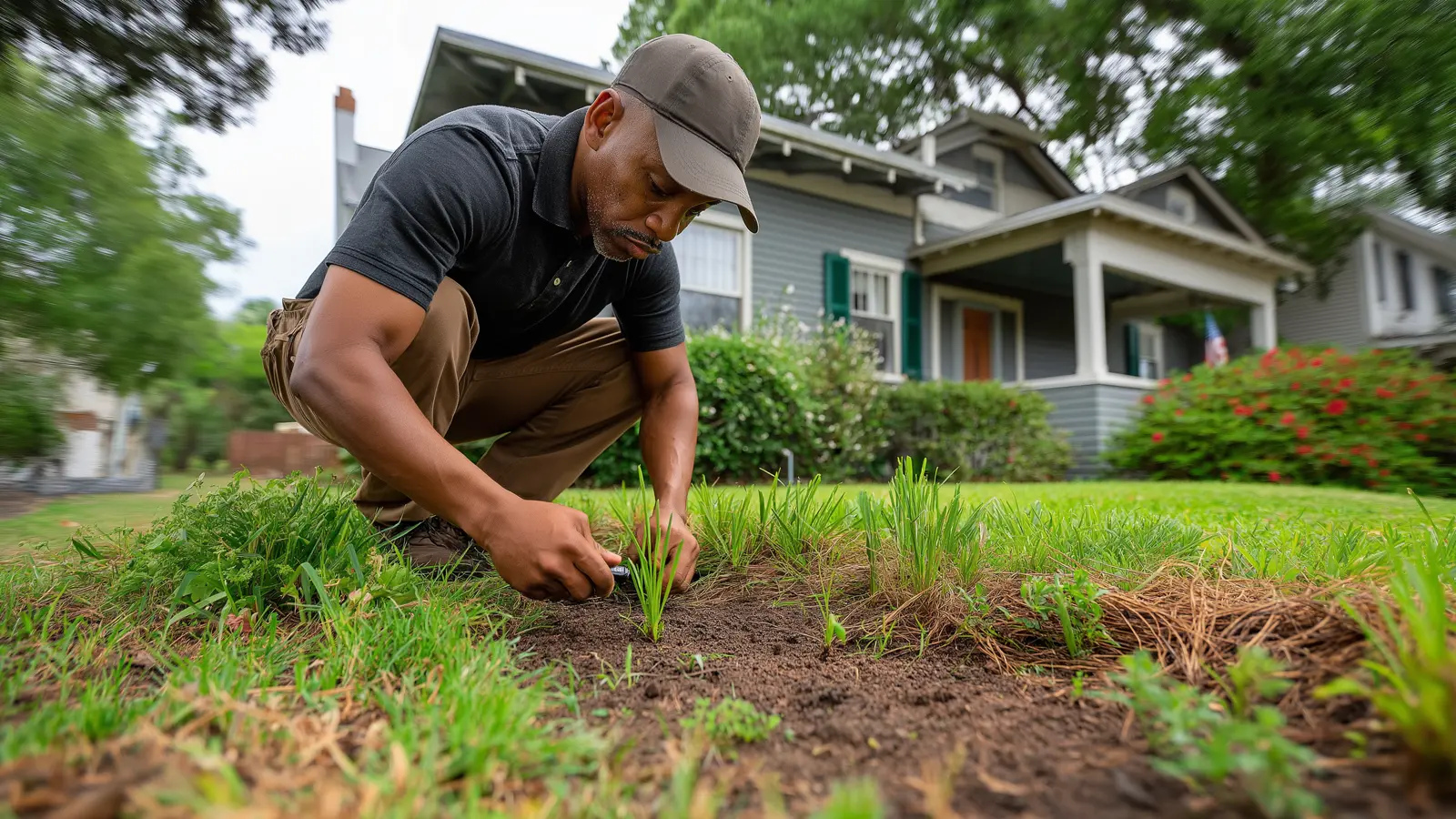
If large areas of the lawn are bare or full of weeds, consider reseeding or laying sod. Remove damaged turf, loosen the soil surface and enrich it with organic matter before planting. Select grass types that match your site — cool-season grasses for Northeast Ohio, warm-season grasses for southern climates.
Follow up with consistent watering until the new turf is established, avoiding leaf wetness that can cause lawn diseases in young grass. Minimize foot traffic during establishment to prevent soil compaction and root damage.
How do you fix an unhealthy lawn?
Begin with a soil test to assess nutrient levels and pH. Many unhealthy lawns have imbalances that hinder root growth and promote weeds or pests. Add amendments based on the test results and include compost or organic matter to enhance structure and retain moisture.
Practice year-round lawn care with seasonal adjustments. In summer, focus on moisture management and mowing height; in fall, build up food reserves and strengthen roots; in spring, promote healthy growth while preventing weeds. A balanced approach breaks the cycle of summer lawn stress and winter decline.
Healthy Lawn Without Chemicals
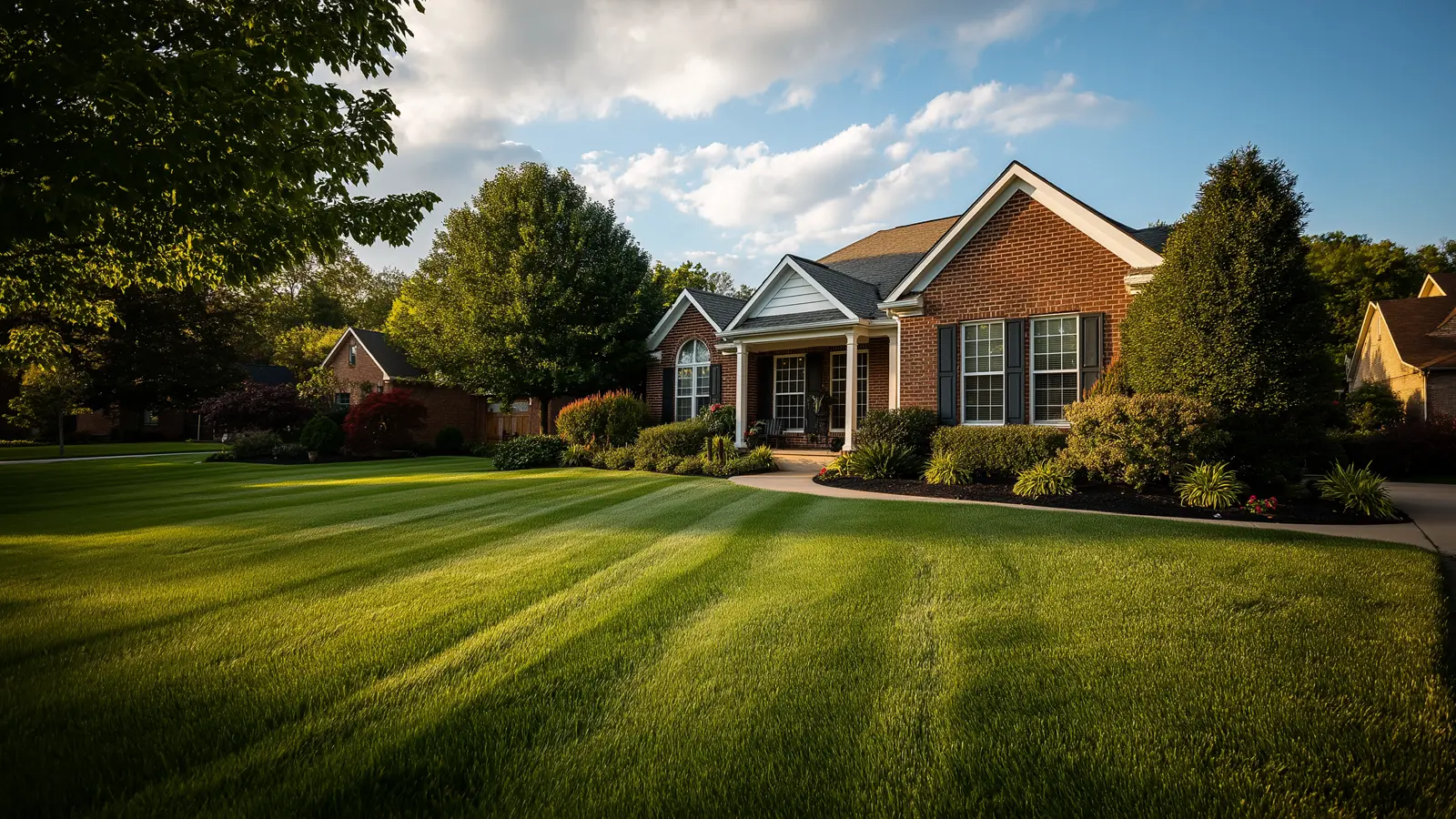
Maintaining a healthy lawn doesn’t have to depend on synthetic fertilizers or chemical pesticides. Many homeowners prefer a natural approach that supports long-term soil health, encourages beneficial organisms and reduces the risk of chemical runoff into local waterways. By focusing on balanced nutrition, proper watering and sound cultural practices, it’s possible to grow a green lawn that thrives through the summer and beyond—without harsh chemicals.
Organic and low-chemical methods work with nature instead of against it, creating turf that’s more resilient to summer stress, pests and lawn diseases. Whether you have cool-season grass like Kentucky bluegrass and tall fescue or warm-season grass in other regions, a chemical-free plan can promote strong root growth, better drought tolerance and a healthier ecosystem in your yard. The key is consistency—small, regular actions lead to lasting results over many growing seasons.
How to keep a lawn healthy without chemicals
Organic lawn care begins with soil health. Feed your lawn with compost, mulch-mowed grass clippings or natural fertilizers that release nutrients gradually. Enhance root growth and drought tolerance with deep, infrequent watering. Select turf varieties like tall fescue for better summer heat resistance in a cool-season lawn.
Integrated pest management reduces pesticide use by encouraging beneficial insects, utilizing natural pest repellents and monitoring for early signs of pest activity. Proper mowing and aeration are also key sustainable practices that help keep lawns healthy without synthetic chemicals.
What is the best thing to put on your lawn?
Compost is one of the most beneficial materials for any lawn, whether cool-season or warm-season grass. It enhances soil moisture retention, adds organic matter and encourages microbial life that supports healthy growth. Slow-release nitrogen fertilizers—organic or synthetic—can also help keep a green lawn without encouraging excessive top growth.
A balanced feeding plan, tailored to your grass type and soil conditions, will keep your lawn healthy throughout the growing season. Avoid quick-release fertilizers during summer stress, as they can burn leaf blades and harm roots in dry conditions.
What does Epsom salt do to lawns?
Epsom salt provides magnesium and sulfur, which are both vital for chlorophyll production and overall plant health. However, most lawns don’t need extra magnesium unless a soil test indicates a deficiency. Excessive use can damage soil structure and cause salt buildup, potentially harming grass roots.
If necessary, Epsom salt can be applied in small quantities, but it is not a universal solution for summer lawn stress. A healthy lawn relies on balanced nutrients, sufficient moisture and proper cultural practices—not just supplements.
What does Dawn dish soap do for your lawn?
While dish soap is sometimes promoted as a natural insecticide, it can harm grass blades and roots if overused. It removes protective oils from the leaf blade, which increases water loss during summer heat.
If you use dish soap for pest control, dilute it heavily and apply it only to specific spots. Safer options include neem oil, horticultural soap or beneficial nematodes for soil-dwelling pests like white grubs.
Tools and Expert Help
Even the most attentive homeowner can misinterpret signs of summer lawn stress. Brown grass, thinning turf or patchy areas could be caused by heat stress, lawn diseases, pest activity or even compacted soil—and often, these issues overlap. While observation and experience are invaluable, having the right tools and expertise ensures an accurate diagnosis before you invest time and resources in the wrong solution.
Technology now provides various tools to help identify turf problems, from smartphone apps to soil moisture sensors. But digital tools only show part of the picture. Professional lawn care experts bring years of experience, hands-on testing and a deep understanding of turf species, soil conditions and seasonal stress factors. By combining modern technology with professional insight, you can identify the root cause of your lawn’s issues and choose the most effective way to restore healthy growth.
Is there an app to tell me what’s wrong with my lawn?
Many lawn care apps can assist in identifying problems using photos, weather data and turf types. These are useful for initial checks for summer stress, lawn diseases or pests. However, they often cannot detect issues below the soil, such as compaction or root damage.
For a more accurate diagnosis, combine insights from apps with professional assessment. Lawn care experts can perform soil tests, measure soil moisture and look for pest activity that isn’t visible from above.
Who to call for lawn problems?
When your lawn shows signs of heat stress, drought damage or disease, contacting a local lawn care company like Hemlock Landscapes is the quickest way to recover. Experts understand how different grass types react to summer stress and can develop a tailored plan for your yard.
They also have the equipment to loosen compacted soil, treat lawn diseases and fix damage caused by pests or mechanical wear. Working with an expert helps keep your lawn healthy throughout every season, from the height of summer heat to the cool relief of fall.
Long-Term Lawn Health Habits
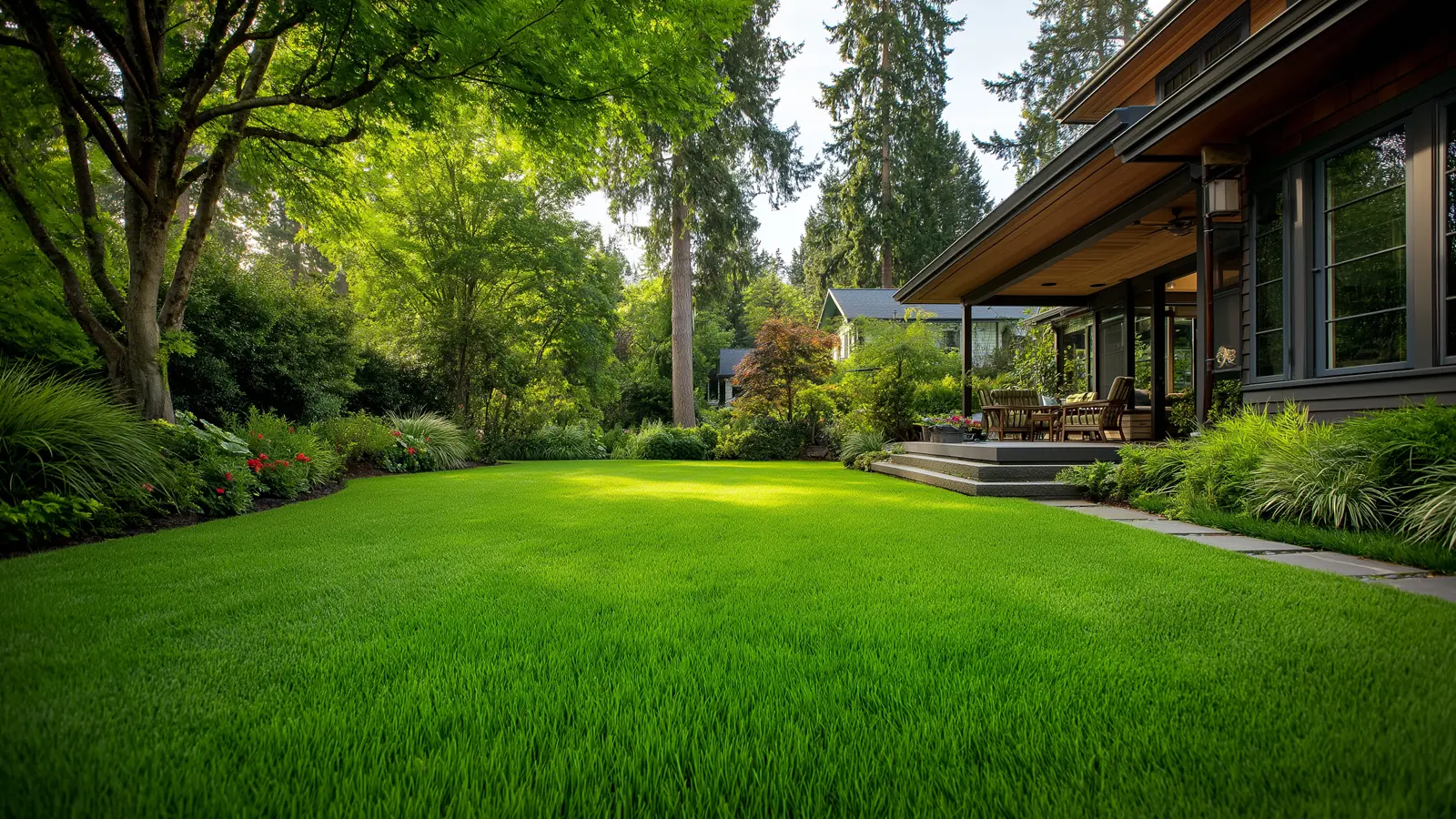
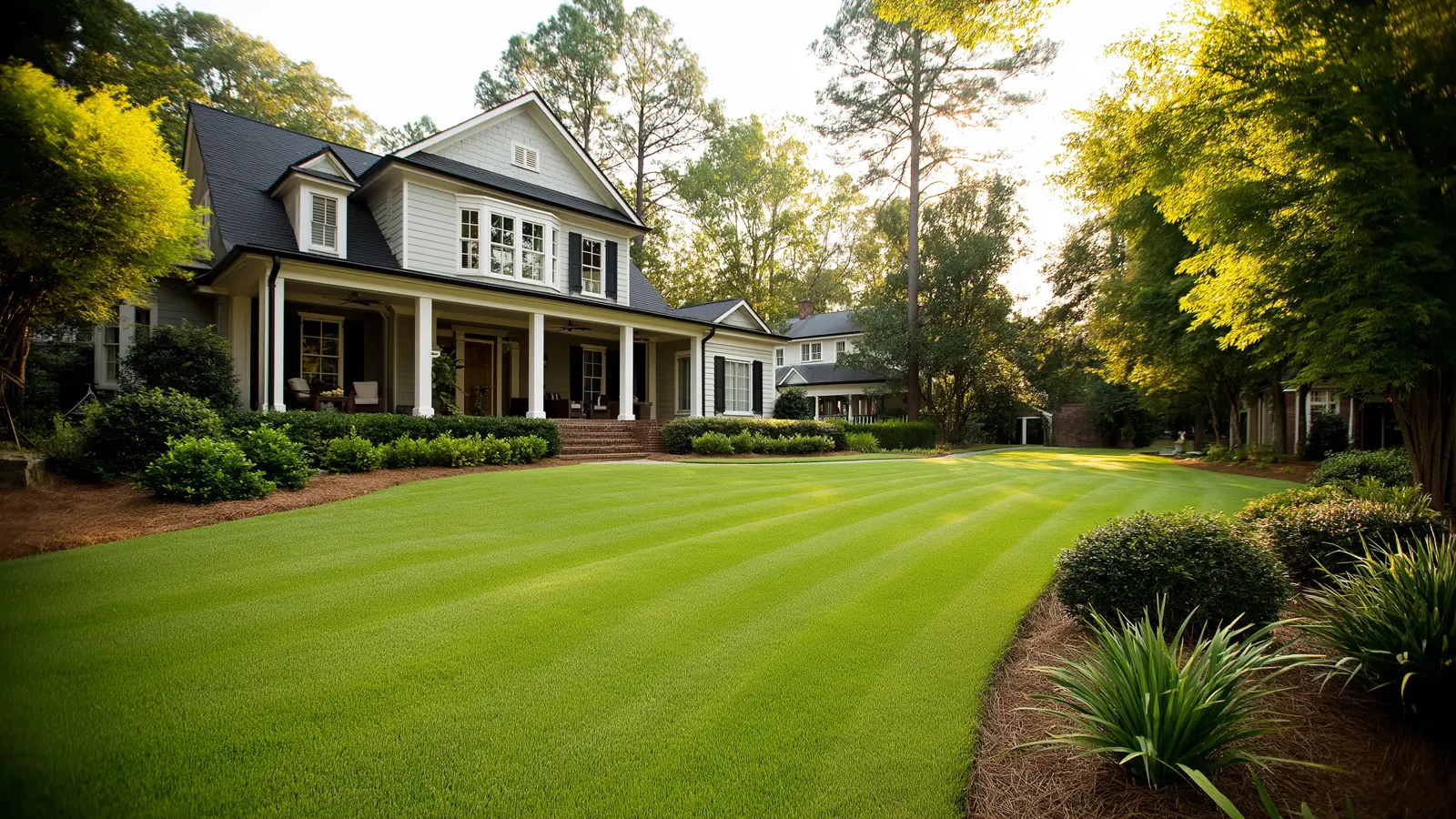
Maintaining a healthy lawn isn’t just about quick fixes when problems happen — it’s about building resilience year after year. A lawn that gets proper care consistently is better prepared to handle summer stress, drought, pests and lawn diseases. By following a structured plan that adapts with the seasons, you can keep your turf in top condition, whether you have cool-season grasses like Kentucky bluegrass or tall fescue or warm-season grasses in other regions.
Long-term lawn health also relies on predicting challenges before they appear. Improving soil structure, selecting the right turf species and adopting sustainable cultural practices all help prevent a weakened state during the growing season. With a proactive approach, your yard can stay healthy, with strong roots and a vibrant green lawn from spring through winter.
How do I make my lawn healthy year-round?
The key to a healthy lawn is consistent care that adapts to each season’s challenges. In spring, focus on soil preparation and weed prevention. During the summer, maintain proper moisture, follow the 1/3 mowing rule and limit heavy foot traffic. Fall is the ideal time for aeration, overseeding and building up food reserves, while winter involves protecting the turf from freeze damage and mechanical wear.
Over time, these cultural practices strengthen roots, improve soil structure and boost drought tolerance. Whether you have a cool-season turf like Kentucky bluegrass or warm-season lawns in different climates, a seasonal plan helps keep your grass resilient against heat stress, pests and disease.
How to prevent heat stress next summer
Start prevention in late summer and fall by improving soil health and selecting turf species suited to your yard’s sun exposure and soil type. Reduce soil compaction through aeration and keep thatch layer buildup under control. Install smart irrigation systems that adjust watering schedules based on soil moisture and weather patterns.
For high-traffic areas, consider reinforcing the turf with more durable grass types or adding hardscape features to reduce wear. Planning ahead allows you to enjoy a green lawn that stays healthy even during hot and dry weather.
Need Extra Help?
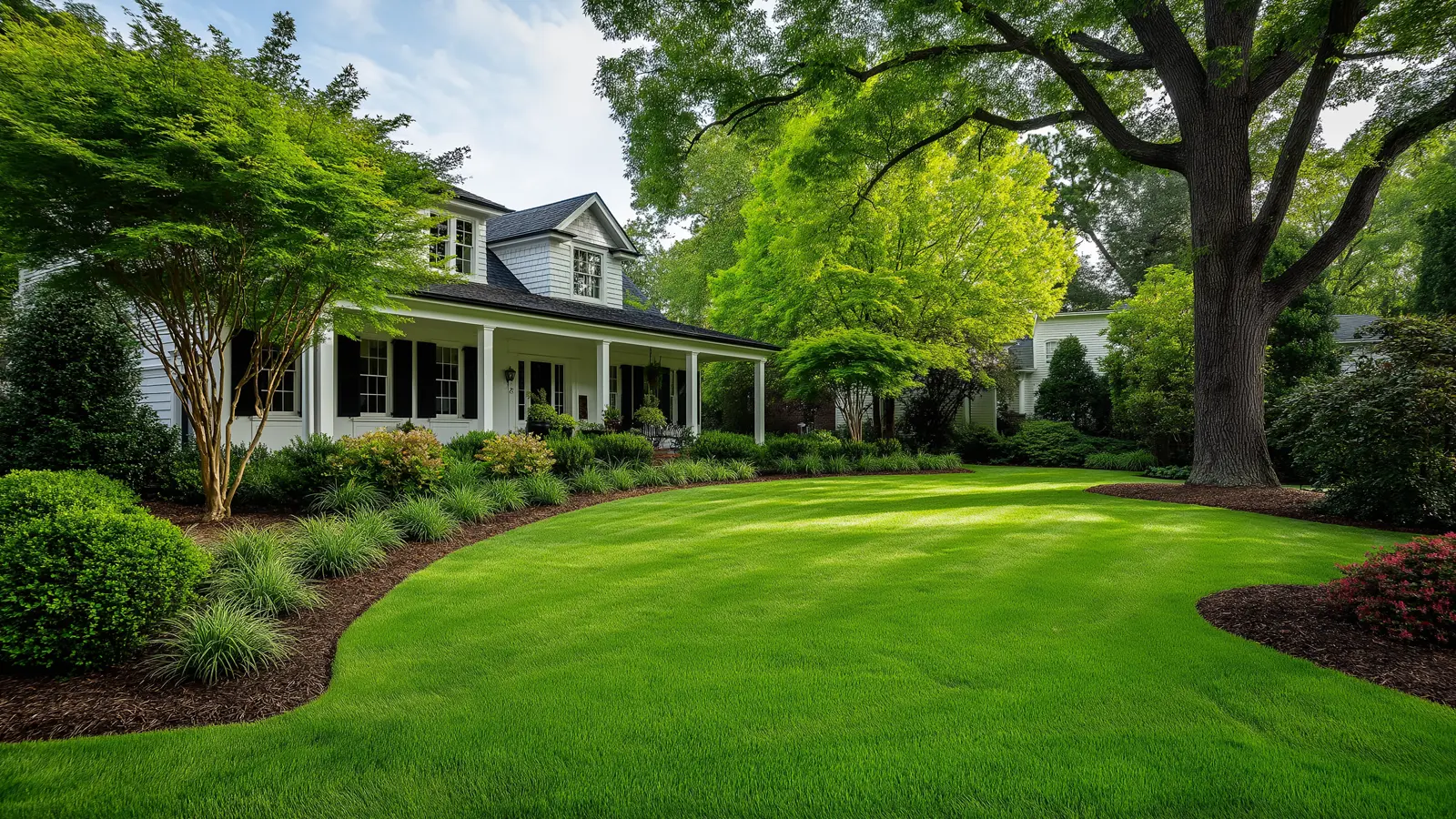
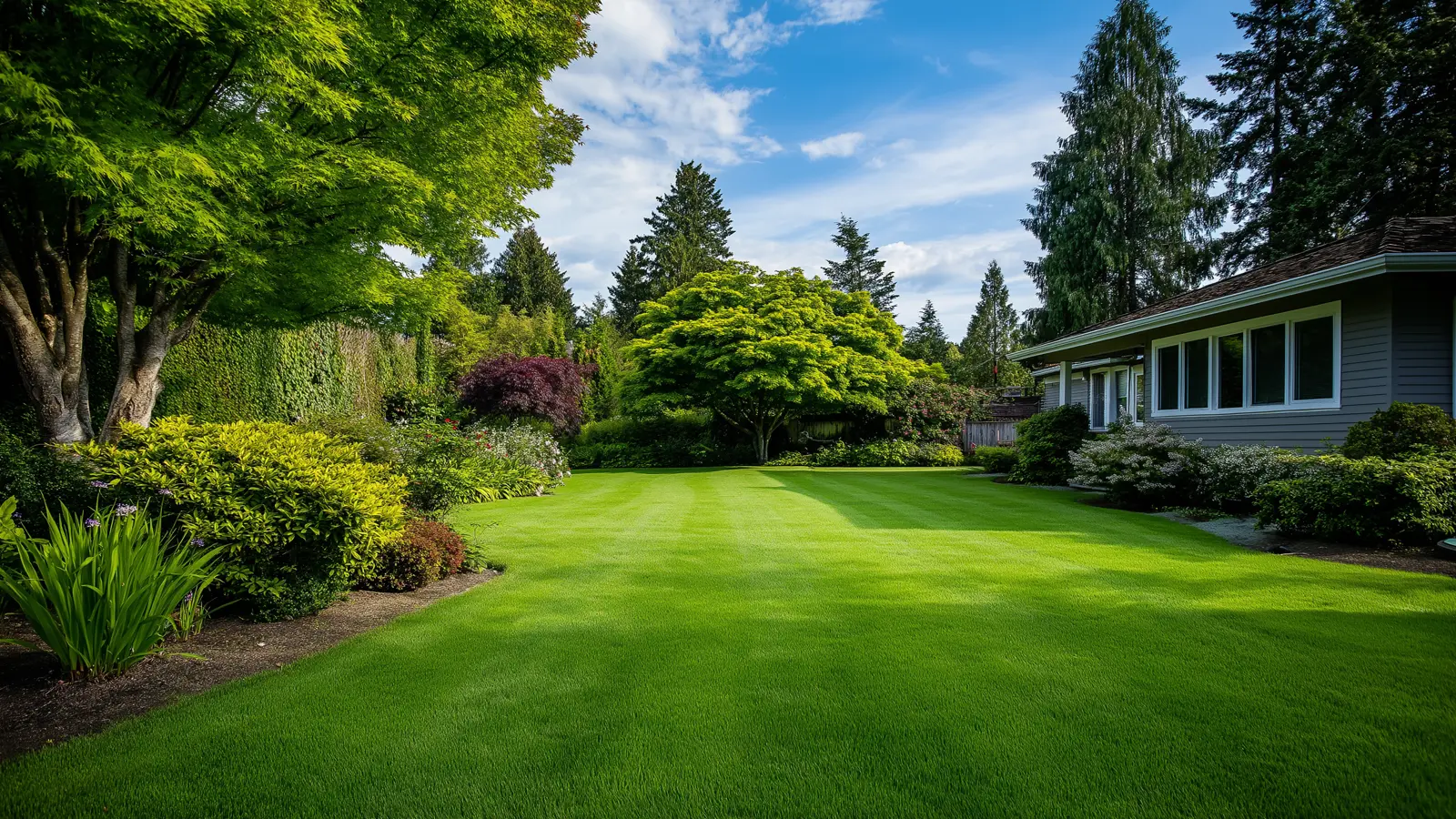
A summer lawn in a weakened state isn’t a lost cause — it’s a call to action. By learning how to recognize heat stress, making timely adjustments to mowing, irrigation and soil care and repairing damaged areas before fall, you can protect your investment in a healthy lawn.
If your lawn is showing signs of brown grass, uneven growth or pest activity, Hemlock Landscapes can help. From diagnosing lawn diseases to improving soil compaction and restoring turf health, our team has the expertise to bring your yard back to its best. Contact us today to schedule a summer lawn health check and keep your Northeast Ohio lawn thriving through every season.