

How to Winterize Your Landscape Beds Before the First Snow
Prepare your garden beds, trees and lawn now to protect roots, enrich the soil and keep your landscape healthy through winter, ready for spring.
As October ends and the first frost begins to sparkle on the grass, your landscape shifts from growth to rest. In Northeast Ohio, cooler temperatures and shorter days signal the perfect time to winterize your landscape—preparing garden beds, trees, shrubs and the lawn for the colder months ahead.
Winterizing isn’t about rushing to finish chores before snow arrives. It’s about protecting what’s underground—roots, soil life and nutrients—so your yard stays healthy during cold weather and blooms again in spring. The effort you invest now prevents winter damage and sets the stage for a vibrant recovery next season.
Homeowners often ask, “When should I apply winterizer?” and “How do I ready my garden for winter without overdoing it?” The key is understanding how soil and plants respond to changes in temperature. Whether you do maintenance yourself or hire a professional landscaper, late fall is the best time to shield your property from harsh winter conditions and ensure a smooth transition into early spring. If you live in lake-effect areas or exposed sites, start a week earlier than your neighbors. This slight timing shift helps before repeated freeze–thaw cycles begin to heave shallow roots.

Clear and Clean: Starting with a Healthy Base
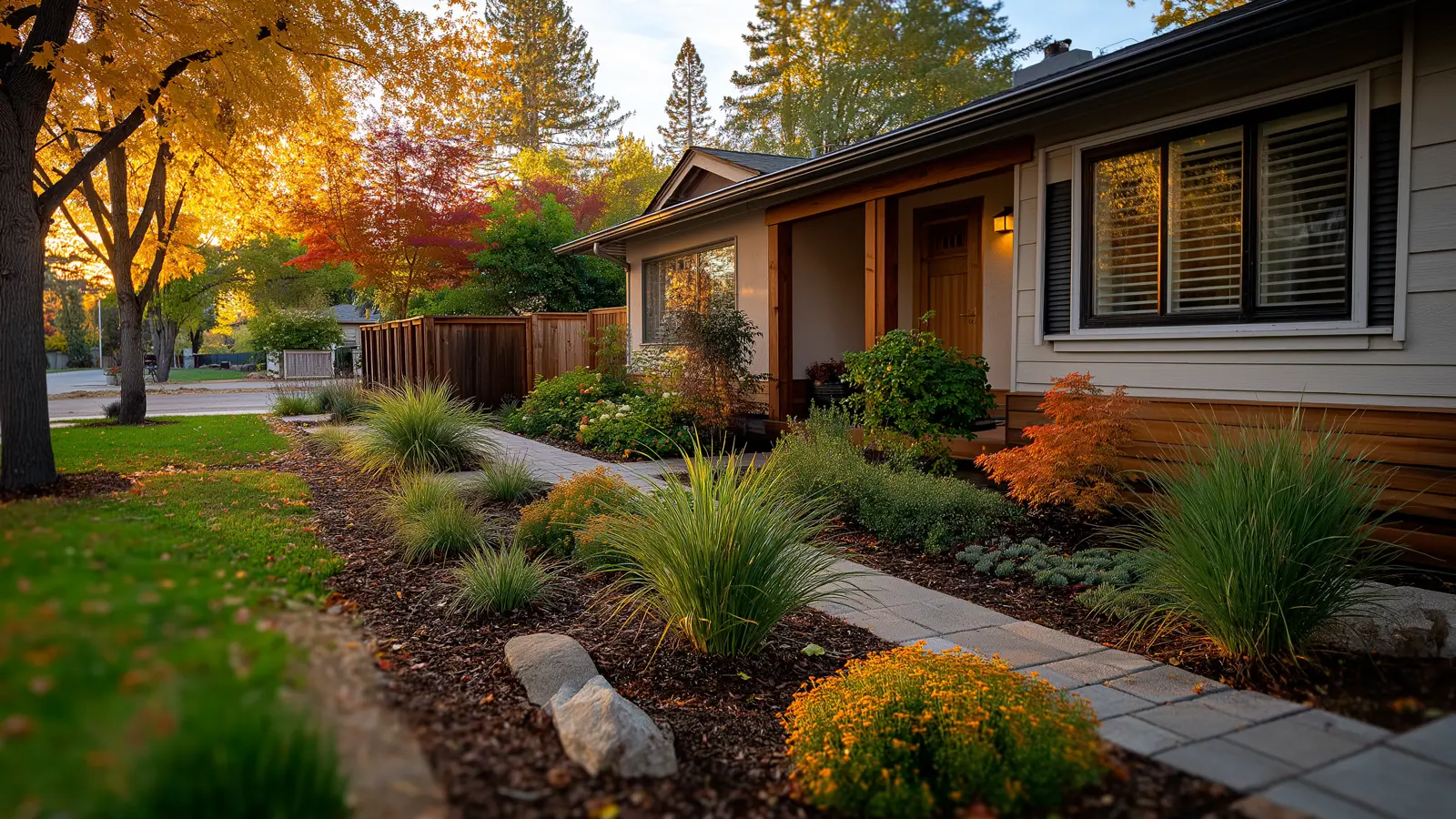
Preparing your landscape for winter begins with a strong foundation. As fall leaves collect and perennials fade, clear away debris that traps moisture and shelters pests before the ground freezes. Rake or mulch fallen leaves into small pieces, pull weeds and cut back annuals—but avoid stripping your beds completely bare. A completely scraped bed often results in crusted bare soil and more winter erosion than expected.
Many gardeners follow the 70/30 rule: remove about seventy percent of dead material and leave the rest for nature. Seed heads and ornamental grasses provide winter habitat for beneficial insects, adding texture and movement. Leaving some cover also shields the top inch of soil from wind scouring and frost damage when the surface freezes. If perennials spill across pathways, cut them back, then tuck a few stems at the back of the border so wildlife still benefits.
The best time for cleanup is from late October through mid-November—after growth slows but before a hard freeze sets in. Use this period to divide crowded perennials, tidy overgrown plants and give the yard its last mow before grass stops growing. Aim for a mower height around three inches so crowns don’t mat under snow. The goal is balance: a landscape that breathes easily and prepares the soil for next season.
Nourish the Soil: Compost, Mulch and Nutrients
Once your beds are cleared, turn your attention to the ground below. Healthy garden soil is the foundation of any resilient landscape, and fall is an ideal time to enrich it before the soil freezes. Adding mulch and organic matter now encourages steady new growth when spring arrives.
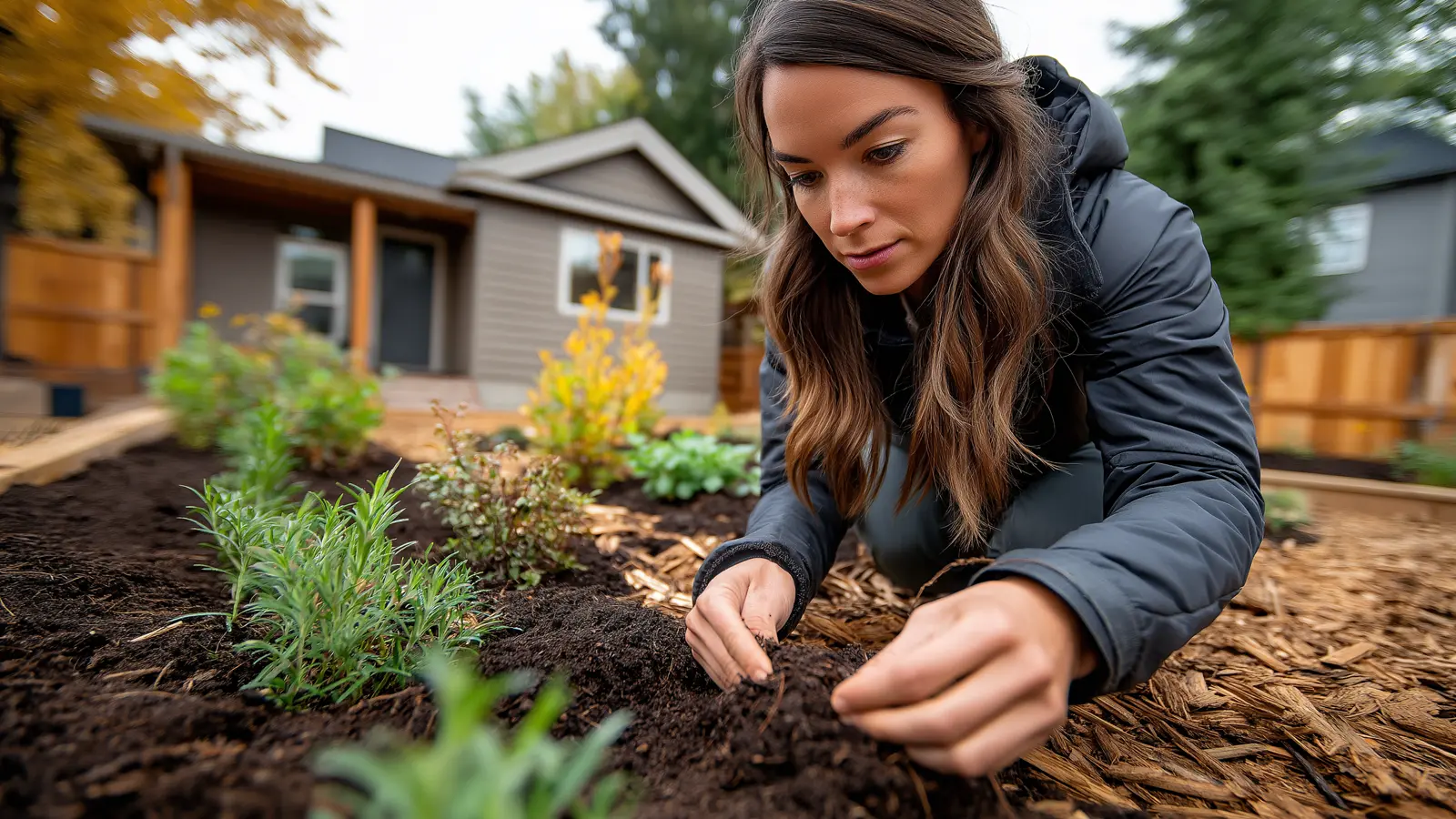
Incorporate compost, shredded leaves or green materials from your compost pile or bin. These additions supply nutrients, improve soil structure and help retain moisture through the winter. Work them into raised beds and borders, where microbial activity remains active even in cold climates. If you’re blending materials, a simple rule works well: two parts carbon-rich browns, such as shredded leaves, to one part nitrogen-rich greens. This ratio keeps the mixture warm enough to decompose without turning sour.
Gardeners often mention the three-year rule—it takes a few seasons for perennials and shrubs to develop deep, resilient roots. Feeding the soil each fall builds this strength and supports the long-term health of your plants and trees. You’ll notice benefits in thicker stems, better flowering and fewer mid-summer wilt days.
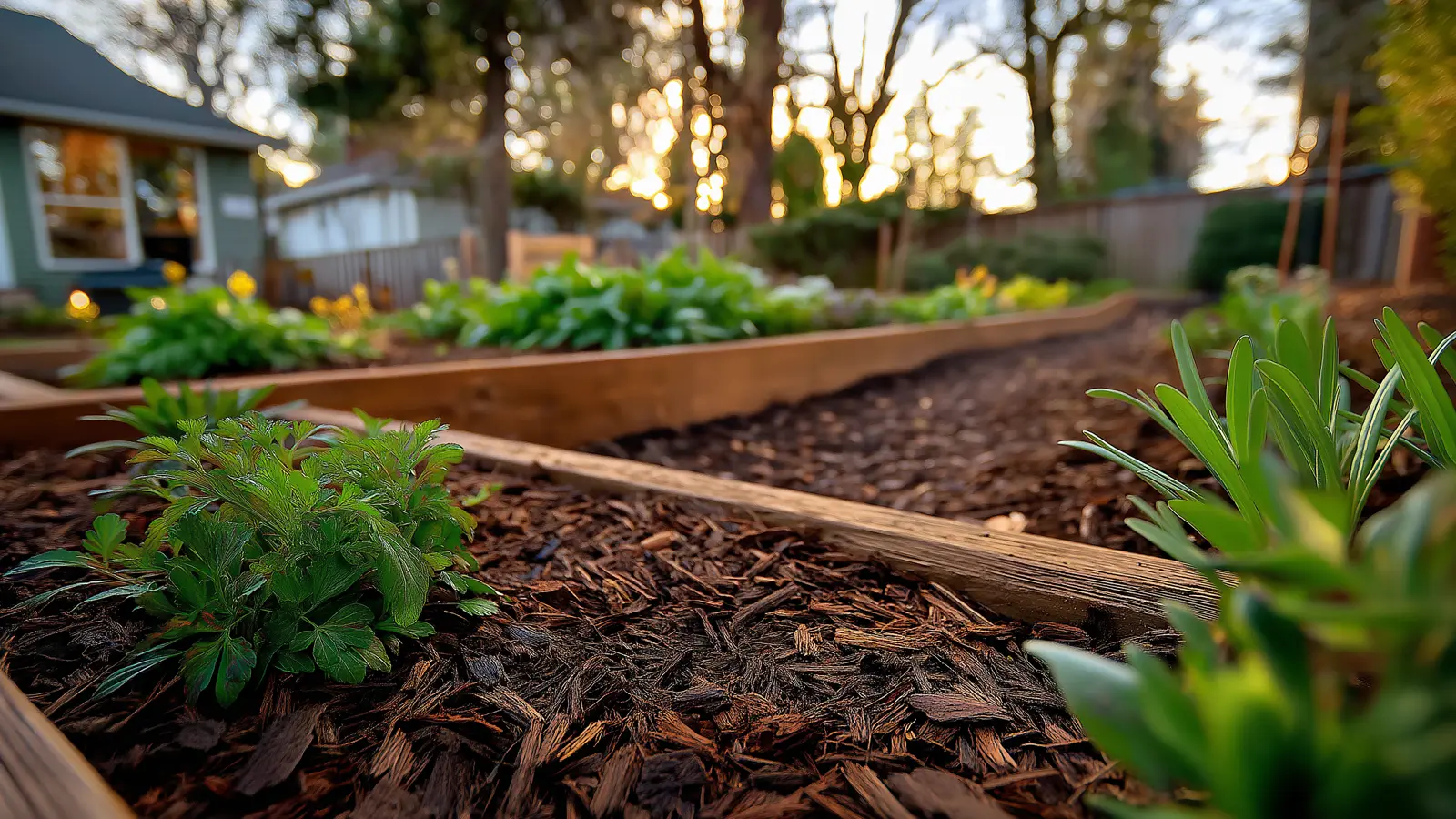
Finish by applying mulch. A few inches of pine needles, pine straw or wood chips insulate the soil against freezing temperatures, reduce evaporation and suppress weeds while the beds rest. Apply mulch after night temperatures fall steadily but before the ground freezes solid. Keep mulch a couple of inches away from trunks and crowns to prevent rot. This protective layer guards against freeze damage, stabilizes garden beds and sets the stage for a vibrant yard next spring.
Protecting Plants, Trees and Shrubs
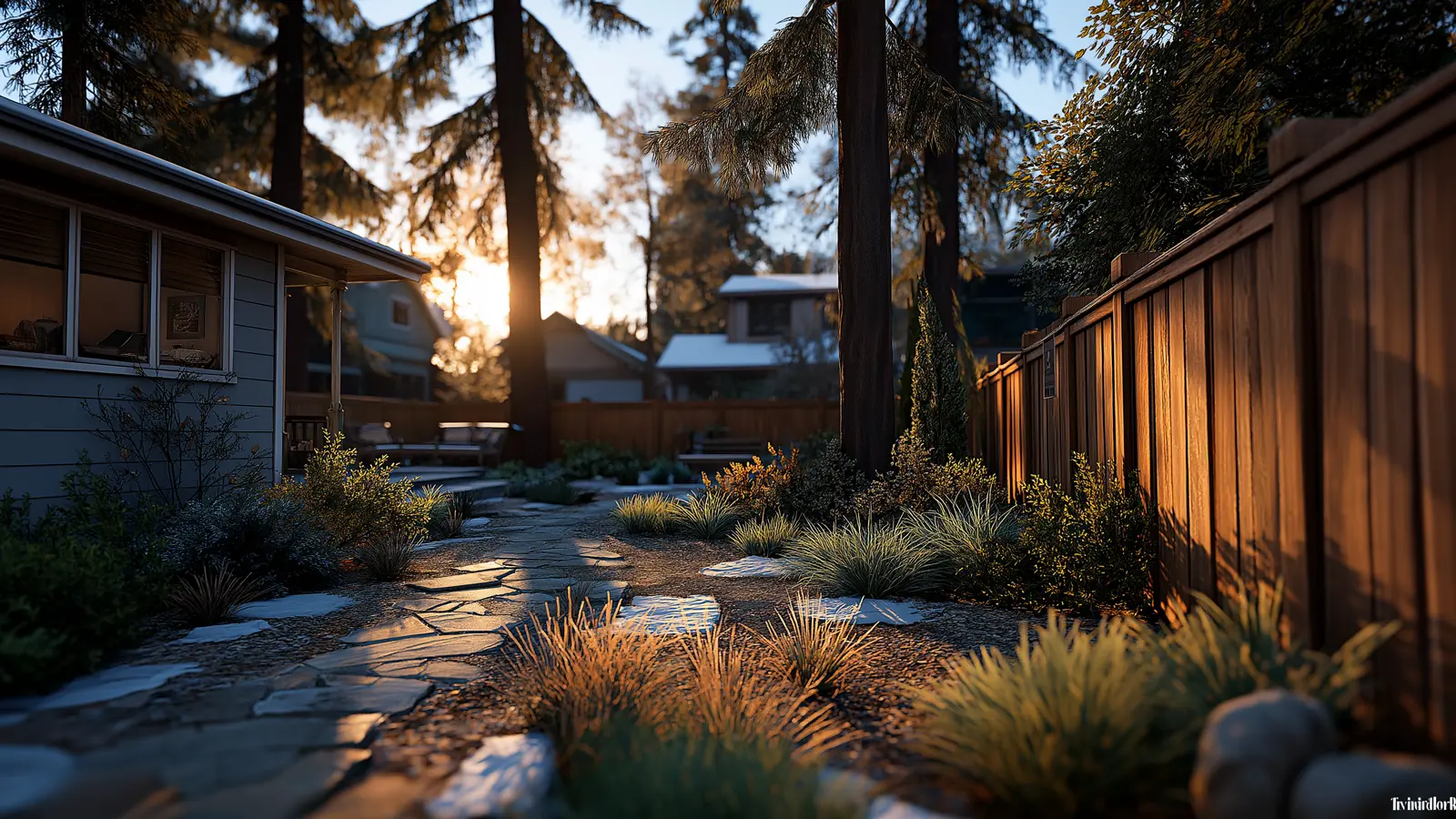
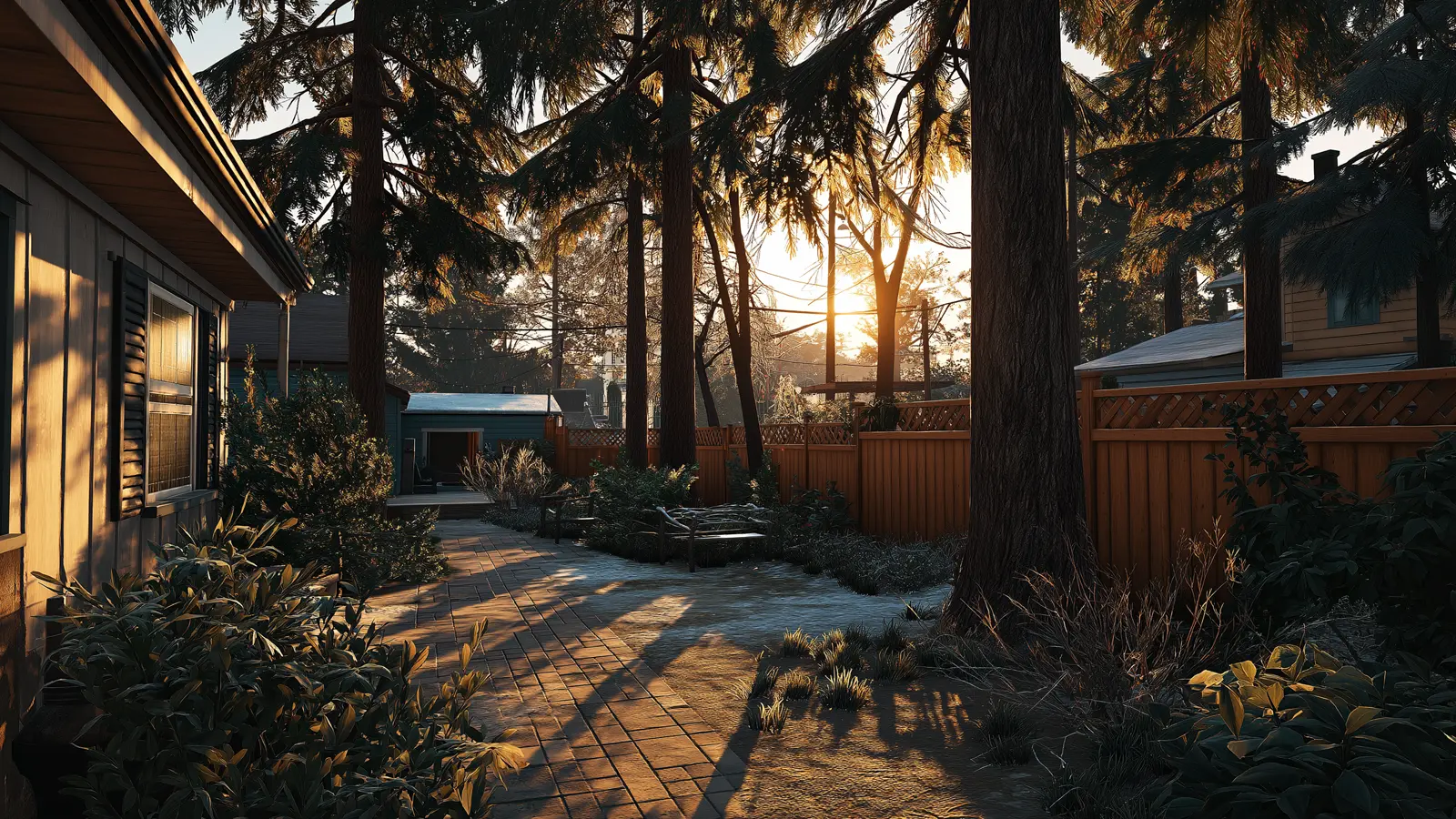
As temperatures fluctuate, tender plants and young trees are most at risk. Protecting them now preserves years of growth and maintains the structure of your landscape. Start by watering deeply before the ground hardens; moist soil retains warmth longer than dry soil, providing roots with an extra buffer during harsh winter weather. On windy sites, a simple burlap windbreak staked on the west side helps reduce desiccation without smothering branches.
Wrap trunks of young trees with breathable burlap or tree wrap to prevent cracking and sunscald on bright, freezing days. Add a mulch ring for insulation, leaving space near the trunk to prevent rot and pests. For shrubs, prune damaged or crossing branches, then loosely cover with burlap to block drying winds and heavy snow. Broadleaf evergreens benefit from an antidesiccant spray once the forecast indicates consistent cold.
Planting in late fall? Follow the landscaping rule of 3—groupings in odd numbers look natural and share protection from wind and freezing temperatures. Clustered roots help stabilize soil during the freeze–thaw cycle. Water newly planted trees well, then add mulch to prevent the root ball from heaving when temperatures dip below freezing.
Don’t forget your lawn. In Northeast Ohio, apply a winterizer between late October and mid-November when top growth has slowed but roots are still active. A potassium-rich blend strengthens cell walls, reduces snow mold and encourages a faster green-up in spring. Homeowners often ask if winterizer is worth it—and it is. One fall application helps build a stronger turf heading into the growing season and reduces the need for heavy spring fertilization.
Irrigation, Tools and Finishing Touches
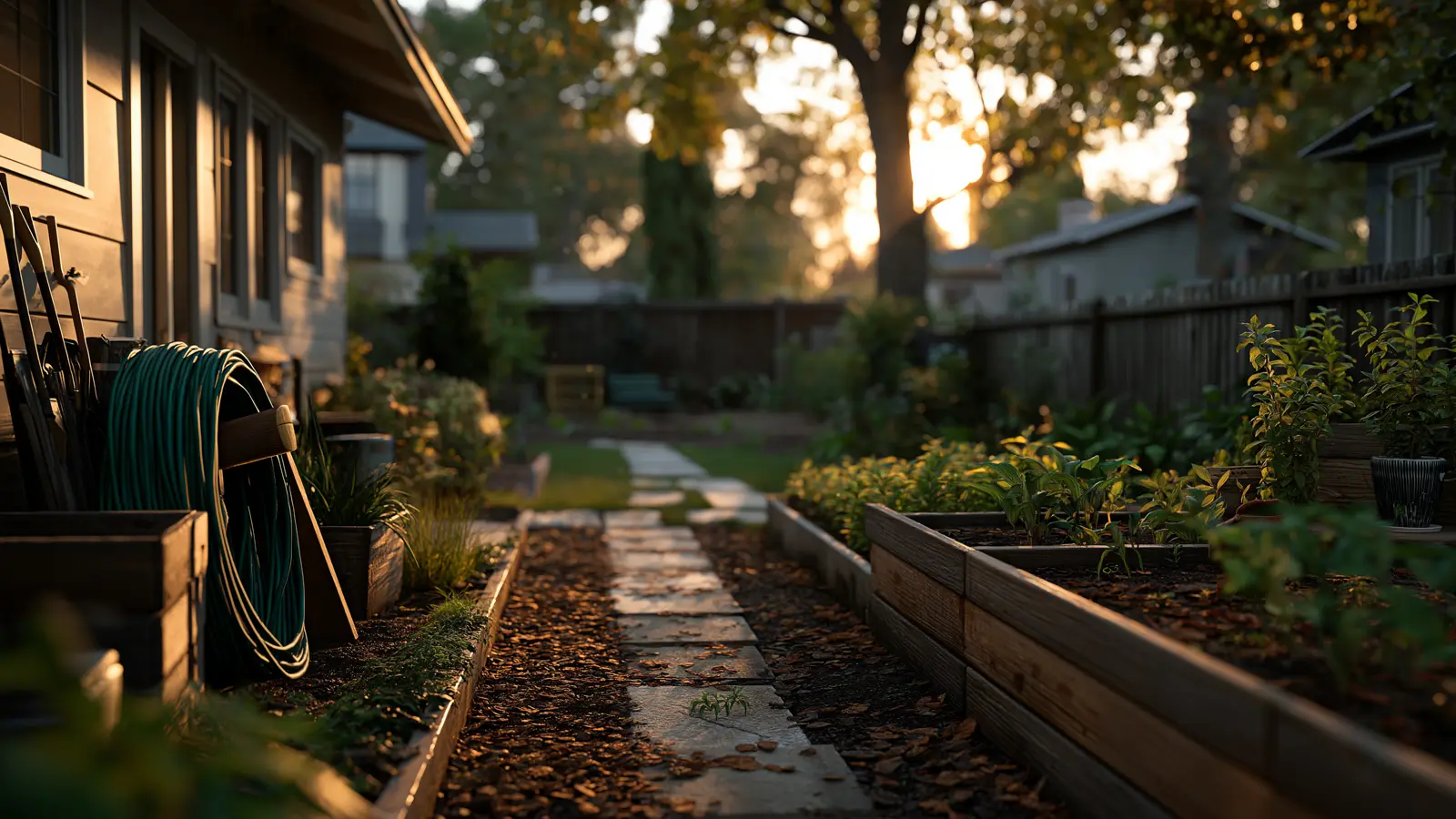
As the growing season winds down, it’s easy to overlook the systems that support your landscape. Before the first frost or hard freeze, drain your irrigation system, sprinkler system and garden hose. Even a small amount of water left inside can expand and crack fittings once temperatures drop. If you have a backflow preventer, open the test cocks to let trapped water escape. If you’re unsure, call a professional landscaper to blow out the lines and shut off the water supply safely.
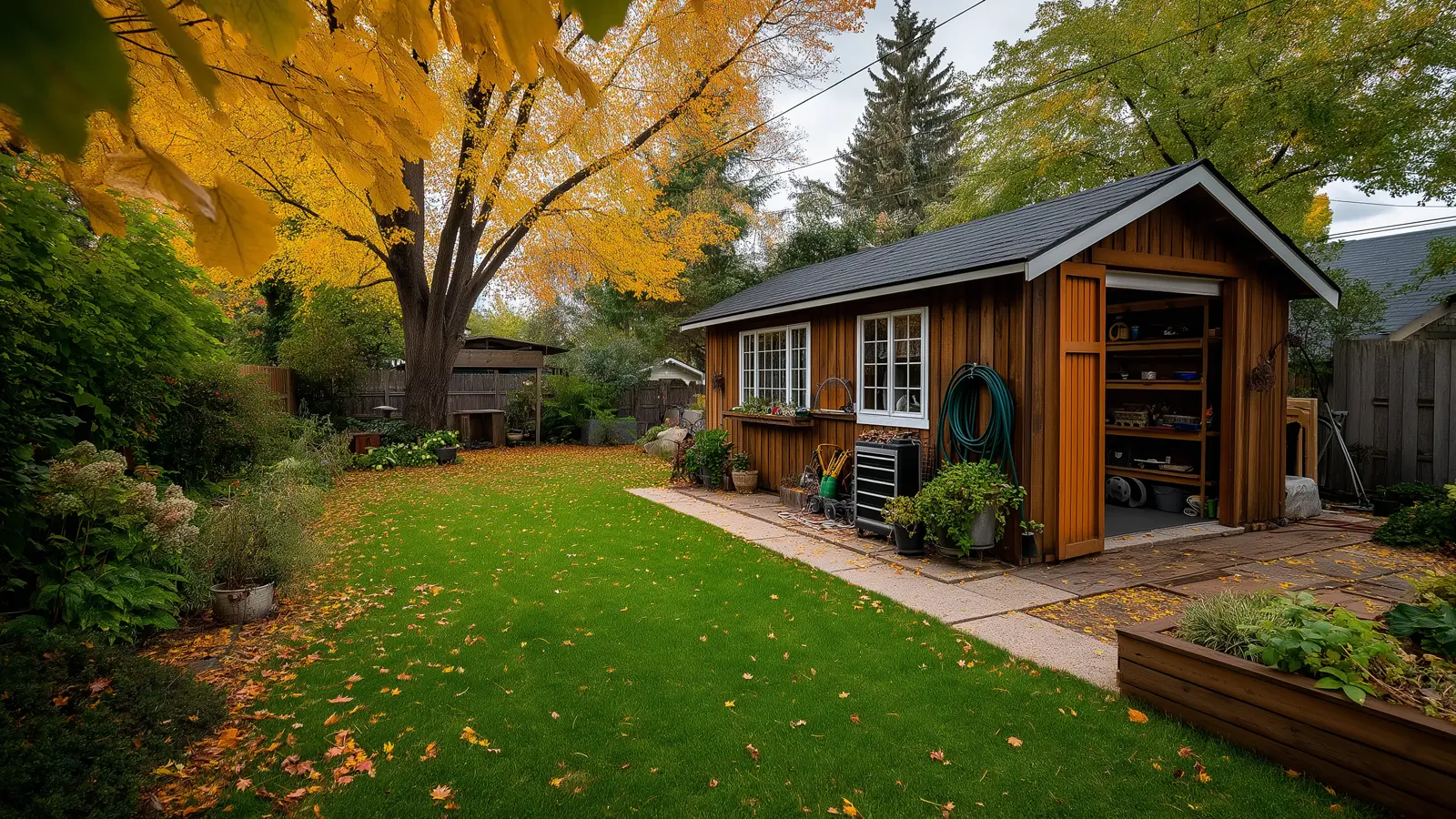
Next, move on to tools. Clean and oil garden tools so they’re ready for spring. Empty the fuel tank of your lawn mower and run it until it stalls or add stabilizer and let it circulate for a minute. Either method prevents varnish buildup and hard starts in April.
Finally, cover any bare soil or raised beds with mulch or shredded leaves. If you maintain a compost pile, turn it one last time before the ground freezes, then cover it with wood chips or pine needles for insulation. These quick finishing touches help prevent repair costs, protect soil biology and ensure your garden transitions smoothly into winter. Think of it as tucking the beds in so freeze–thaw cycles don’t undo your work.
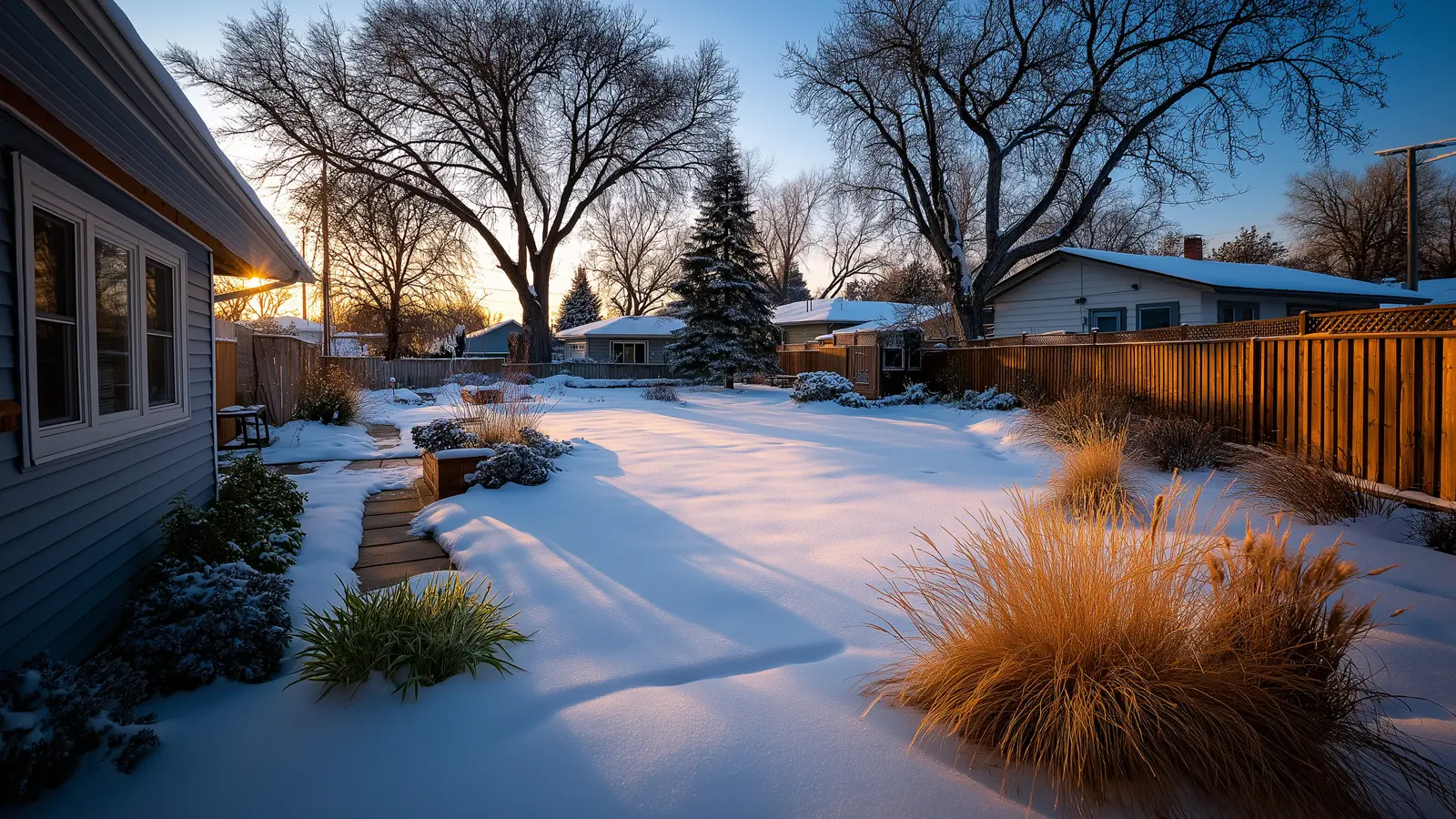
A Rested Garden, Ready for Spring
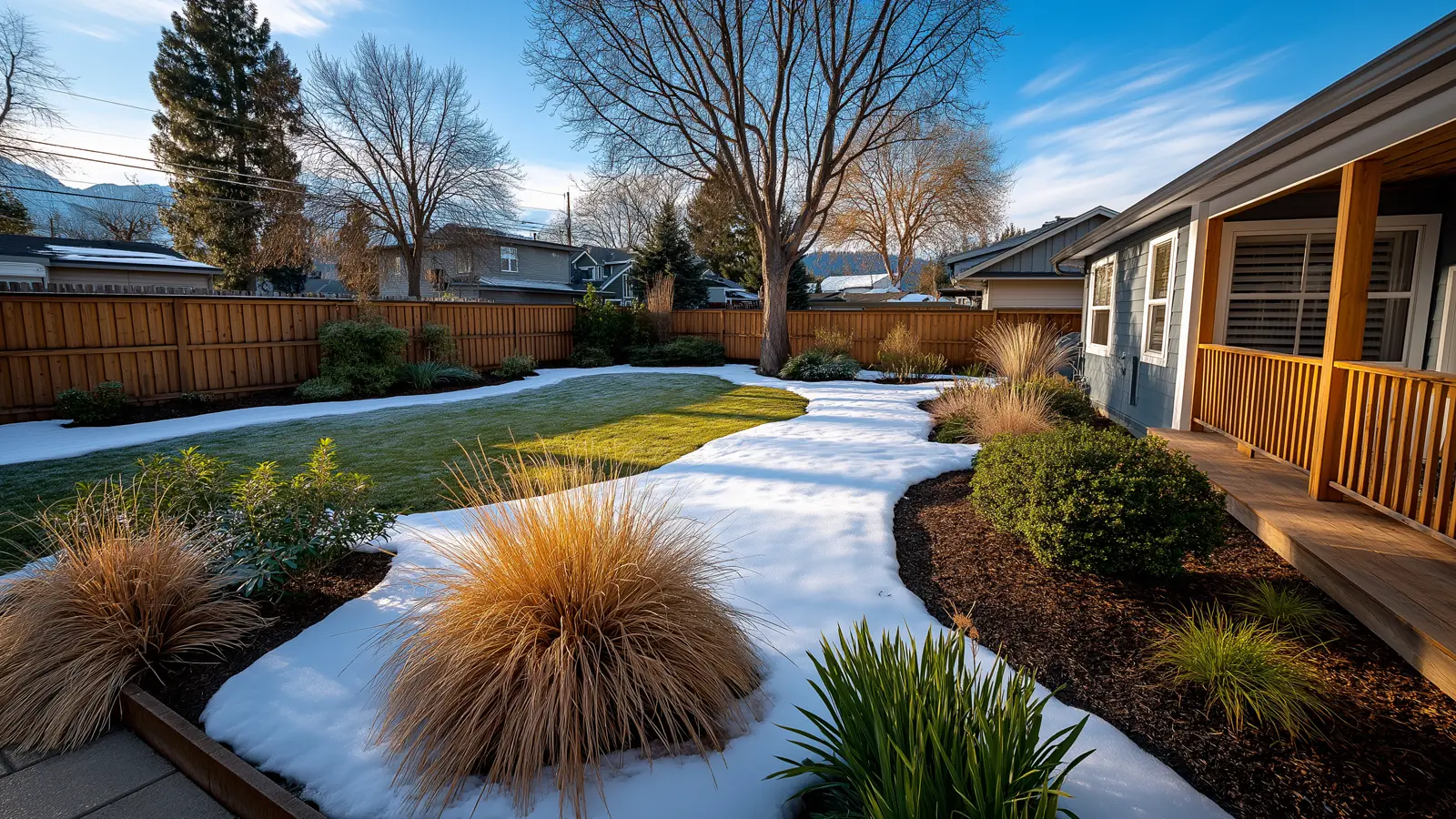
Winterizing isn’t just busywork—it’s a vital part of a healthy landscape’s rhythm. By thoughtfully clearing debris, enriching the soil and insulating before winter arrives, you provide your garden with the protection it needs to thrive in the future.
During winter, the landscape remains active. Roots continue to absorb nutrients, organic matter decomposes, and underground life prepares for new growth. The efforts you make now help prevent frost damage, preserve soil structure and enable everything to rebound more quickly when temperatures rise.
If your property has irrigation systems, complex beds or newly planted trees and shrubs, consider hiring a professional. An experienced team can ensure correct mulch depth, optimize drainage and tailor protection to your soil type, making sure you winterize your landscape properly.
When the snow melts and early spring sunlight arrives, you’ll step outside to a yard that feels refreshed—quietly restored, deeply nourished and ready for another year of color and growth.