

How to Protect Your Yard from Winter Landscape Damage
Expert insight on how cold, ice and changing soil conditions affect your landscape—and what you can do to prevent lasting damage.
Winter affects a landscape in more ways than most homeowners realize. Cold air, fluctuating soil temperatures and steady wind exposure place ongoing stress on plants, trees and lawns throughout the season. Even when the yard looks still, soil moisture is shifting, roots are adjusting to frozen soil, and branches are reacting to rapid daytime warming followed by nighttime cooling. Many plants can withstand short bursts of stress, but months of winter weather create a cumulative effect that weakens structures, disrupts growth and leads to problems that only become obvious when early spring arrives.
Understanding how winter landscape damage develops—and how to protect against it—helps homeowners keep their landscapes healthier year-round.

How Winter Weather Physically Damages Landscapes
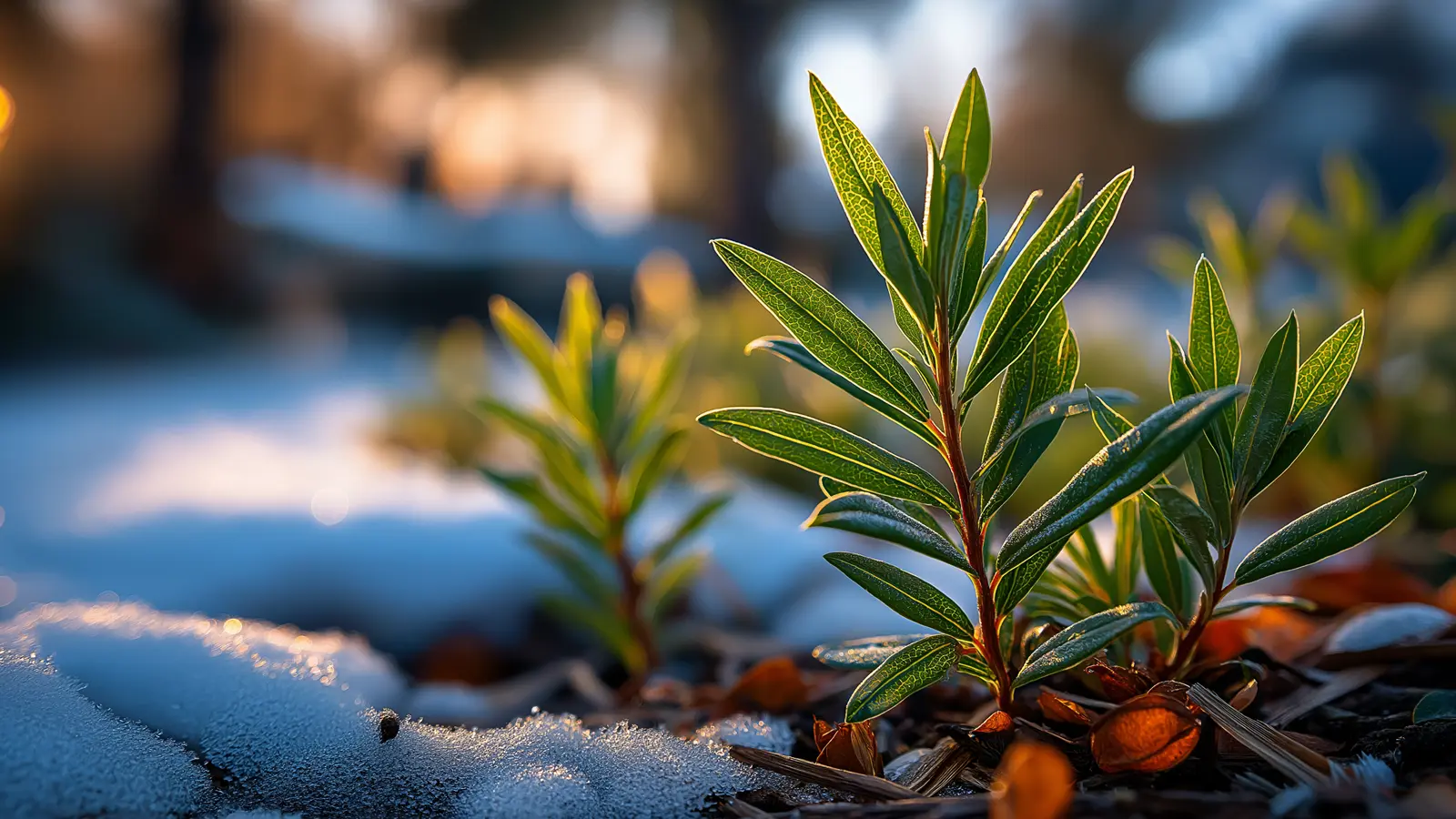
Most winter damage isn’t the result of a single storm. It develops gradually as soil, air temperature and moisture levels fluctuate. When the ground freezes, soil moisture becomes trapped, limiting the water available to roots. Grass roots, young trees and the root zone of shrubs remain under stress during these long periods when frozen soil prevents normal moisture movement.
The freeze-thaw cycle intensifies the issue. As temperatures rise during the day and fall sharply at night, the soil expands and contracts. Repeated freezing can create pressure around roots and heave shallow-rooted plants upward. The same process affects tree bark; warm afternoon sun on the south and west sides, followed by rapid cooling, can cause frost cracks and bark splitting that weaken tree trunks.
Ice and snow add another layer of strain. Heavy snow can break branches or bend needled evergreens and broadleaf evergreens that retain foliage through winter. Ice storms pose their own challenges by locking branches in place. The weight of ice and snow, combined with wind and cold, can injure flower buds, delay new growth and cause structural problems that carry into spring.
Salt damage is also common. Sodium chloride, calcium chloride and other de-icing salts used on sidewalks, driveways and parking lots wash into the soil as snow melts. These salts alter the soil’s moisture balance, burn sensitive foliage and contribute to cold damage that shows up months later.


Common Signs of Winter Landscape Damage
Plants react to winter stress in different ways, and early signs of trouble often appear before the weather warms. Broadleaf evergreens and needled evergreens may develop bronzing, yellowing or browning when roots can’t draw water from frozen soil. This cold damage often appears more strongly on the south and west sides where tissues warm in the afternoon sun, then refreeze quickly after sunset.
Lawns show their own symptoms. Snow mold forms in circular patches where snow remains frozen on unfrozen ground for long stretches. Grass roots stressed by late-season growth or compacted soil may struggle to recover, leaving thin or matted areas as spring approaches.
Trees show their response through visible injuries. Frost cracks and bark splitting appear after sudden temperature swings, while snow load or ice storms may leave behind dead branches or broken branches that become more noticeable as new growth begins. Weak multiple leaders or joints are often the most affected by winter stress.
Salt damage is another major issue around ground-level areas near sidewalks, parking lots and road edges. When snow melts, sodium chloride and calcium chloride can move into the soil, burning roots, disrupting foliage, and delaying growth. Shrubs exposed to windy conditions or salt spray may show bud dieback or stunted growth until soil temperatures rise and moisture levels stabilize.
Recognizing these patterns early helps homeowners decide whether plants need pruning, soil support or replacement.


How to Prevent Winter Damage Before It Happens
Effective winter protection begins well before fall ends. A landscape entering winter in strong condition will tolerate cold, wind and freeze-thaw cycles far better than one already under stress.
Proper pruning is an essential step. Removing dead branches and shaping trees with multiple leaders reduces the chance of snow damage and limits the weight that ice can place on weak joints. Shrubs benefit from light structural pruning, especially broadleaf evergreens that carry foliage throughout winter.
Protecting plants at the root zone is equally important. A fresh layer of mulch helps regulate soil temperatures and retain soil moisture as the ground cools. This insulation slows the rate of ground freezing, giving roots more time to take up moisture. For young trees, wrapping tree trunks helps prevent frost cracks on the south and west sides, where temperature fluctuations are most extreme.
Moisture management also plays a significant role. Deep watering in late summer and fall helps trees, shrubs and lawns enter winter with adequate moisture stores. Once snow arrives, avoid piling it on top of landscape plants; the weight can break branches, crush foliage and damage the growth structure beneath. After ice storms, let ice melt naturally to prevent additional injury.
Finally, select de-icing products carefully. Calcium magnesium acetate is far gentler on plants and soil than sodium chloride or calcium chloride. Reducing salt use wherever possible helps limit the salt damage that often appears in early spring.

What to Do After Damage Occurs
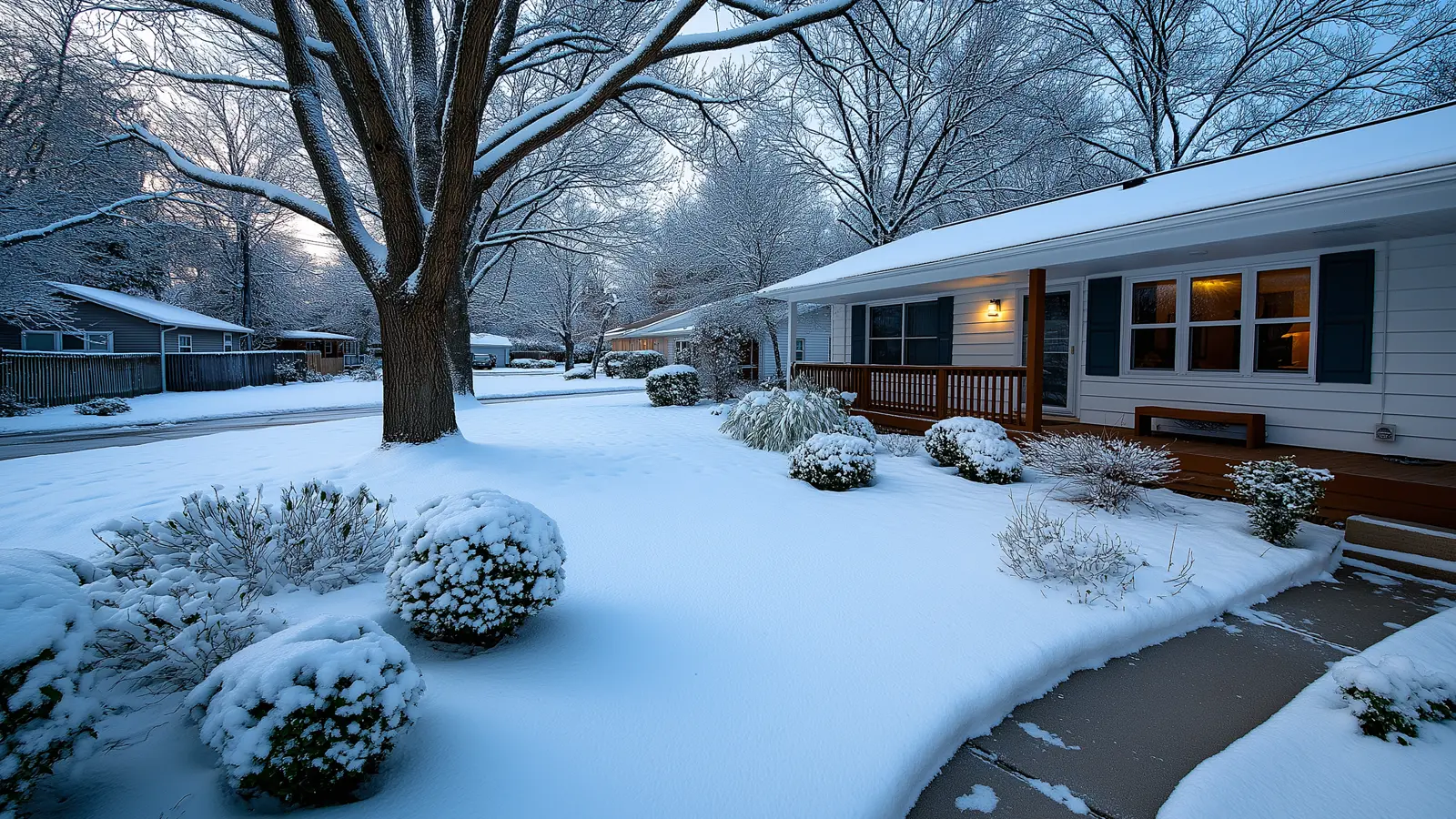
Even with careful preparation, winter injury may still occur. The first step is to evaluate the yard once temperatures stabilize and enough snow has melted to reveal branches and foliage. Dead branches and broken branches should be removed promptly to reduce stress on the plant. When damage involves cracked tree trunks, severe frost cracks or weakened multiple leaders, a certified arborist should assess long-term stability.
Shrubs and many plants respond well to selective pruning after ice, wind or snow damage. Light shaping helps restore structure and promotes healthy growth as the growing season begins. Avoid removing too much at once, since remaining foliage supports new growth as soil temperatures rise.
Salt damage along sidewalks, driveways and parking lots often requires soil correction. Deep watering in early spring helps flush salts from the soil at ground level, creating better conditions for root recovery.
Lawns affected by snow mold or frozen soil benefit from gentle raking to improve airflow. As temperatures warm, grass roots typically rebound. Overseeding may help repair thin patches, though timing should match local growing conditions. Shrubs and broadleaf evergreens injured by windy conditions or cold weather may take time to show improvement, since many factors influence how quickly foliage and buds recover.
If a plant fails to produce healthy foliage or flower buds by early spring, replacement may be the best option. Addressing winter damage early supports year-round landscape health and reduces the risk of repeat problems next winter.
Protecting the Landscape Now to Avoid Bigger Problems in Spring
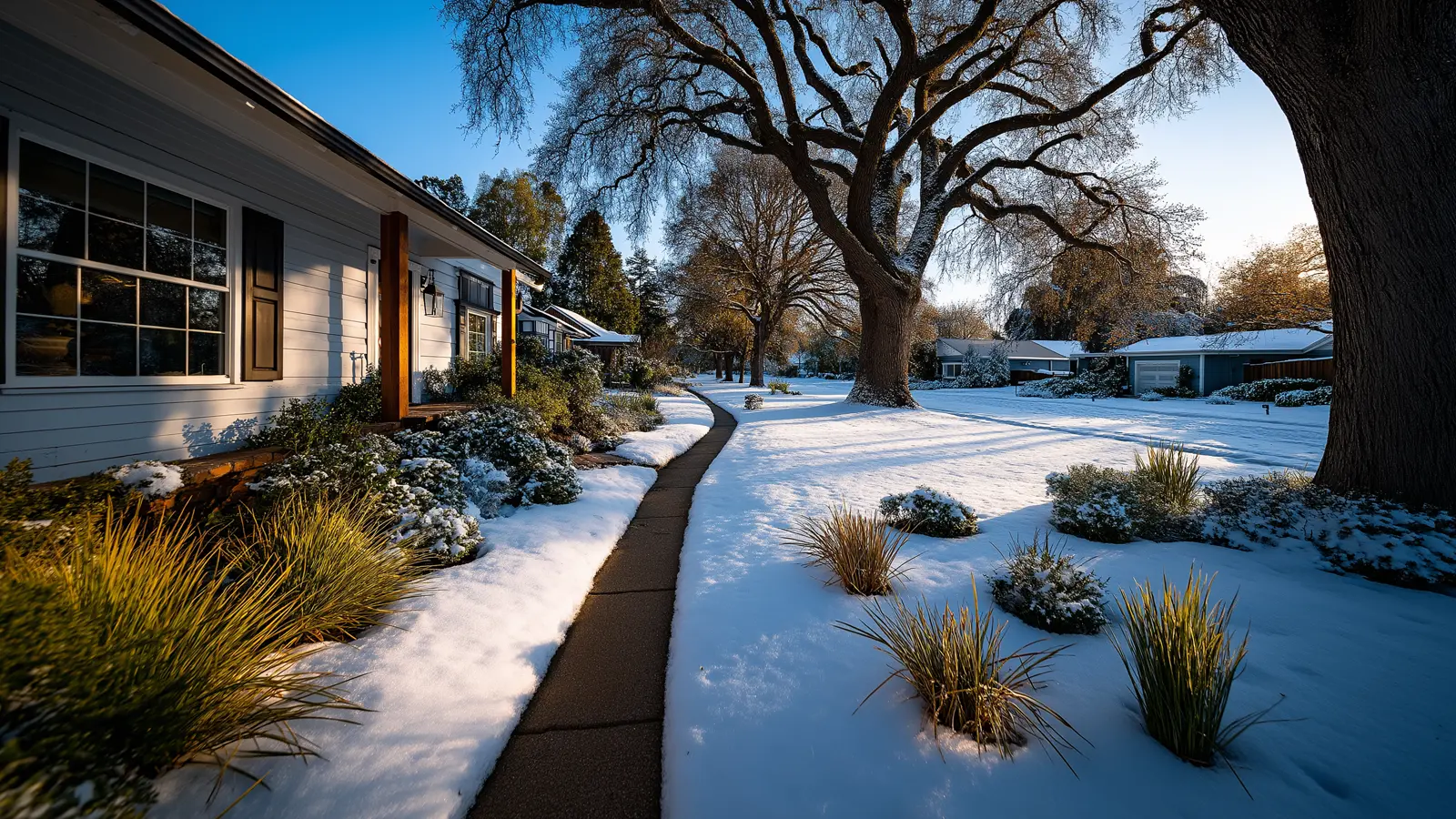
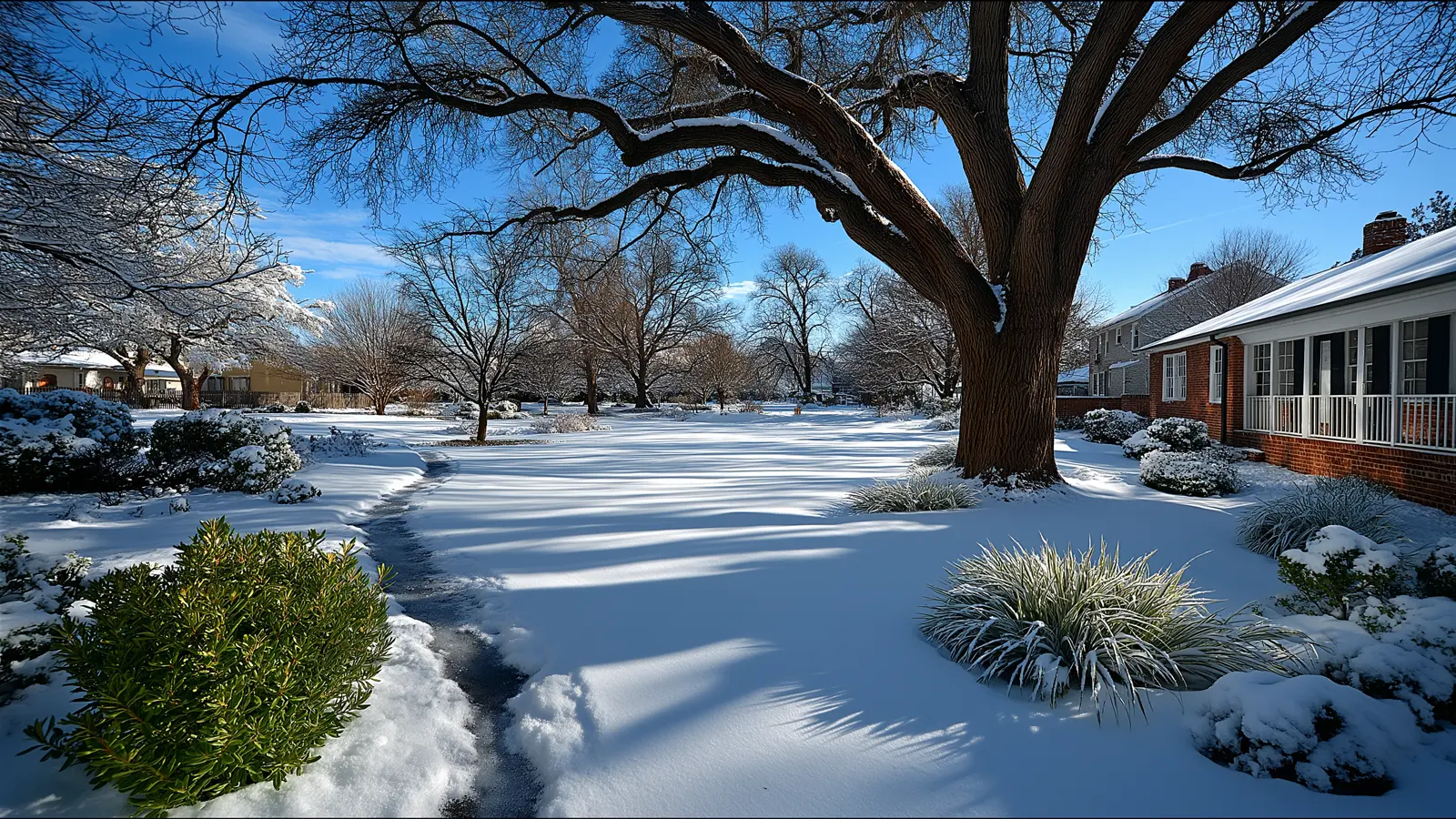
Winter damage can’t always be prevented, but understanding how cold, wind, snow and ice affect a landscape makes it easier to reduce long-term impacts. Plants respond differently to winter stress, and early signs of injury often appear beneath the snow before homeowners notice changes in foliage or structure. Paying attention to soil moisture, pruning needs, trunk protection and salt exposure before the ground freezes gives trees, shrubs and lawns a better chance of emerging healthy in spring.
When winter injury does occur, timely pruning, soil support and careful evaluation help plants recover and move confidently into the growing season. With consistent year-round care, your landscape becomes more resilient, better protected and less prone to the winter landscape damage that can accumulate over time.