
Why Spring Lawn Repairs Fail When Winter Soil Damage Is Ignored
Winter quietly reshapes your soil, setting the limits for how well your lawn can recover in spring.
After decades of working in Northeast Ohio landscapes, one pattern shows up every spring without fail. Homeowners do everything they’re told to do. They seed. They fertilize. They water. And still, parts of the lawn struggle, thin out or never fully recover.
When that happens, it’s easy to assume spring care went wrong. In reality, spring is rarely the problem.
Winter doesn’t damage lawns in obvious ways. It works quietly, reshaping soil while growth is dormant and surfaces look unchanged. By the time warmer weather arrives, the groundwork has already been laid for either a smooth recovery or another season of frustration. Understanding what winter does below the surface is the difference between reacting every spring and finally getting ahead of recurring lawn issues.
What Actually Happens to Soil During a Northeast Ohio Winter
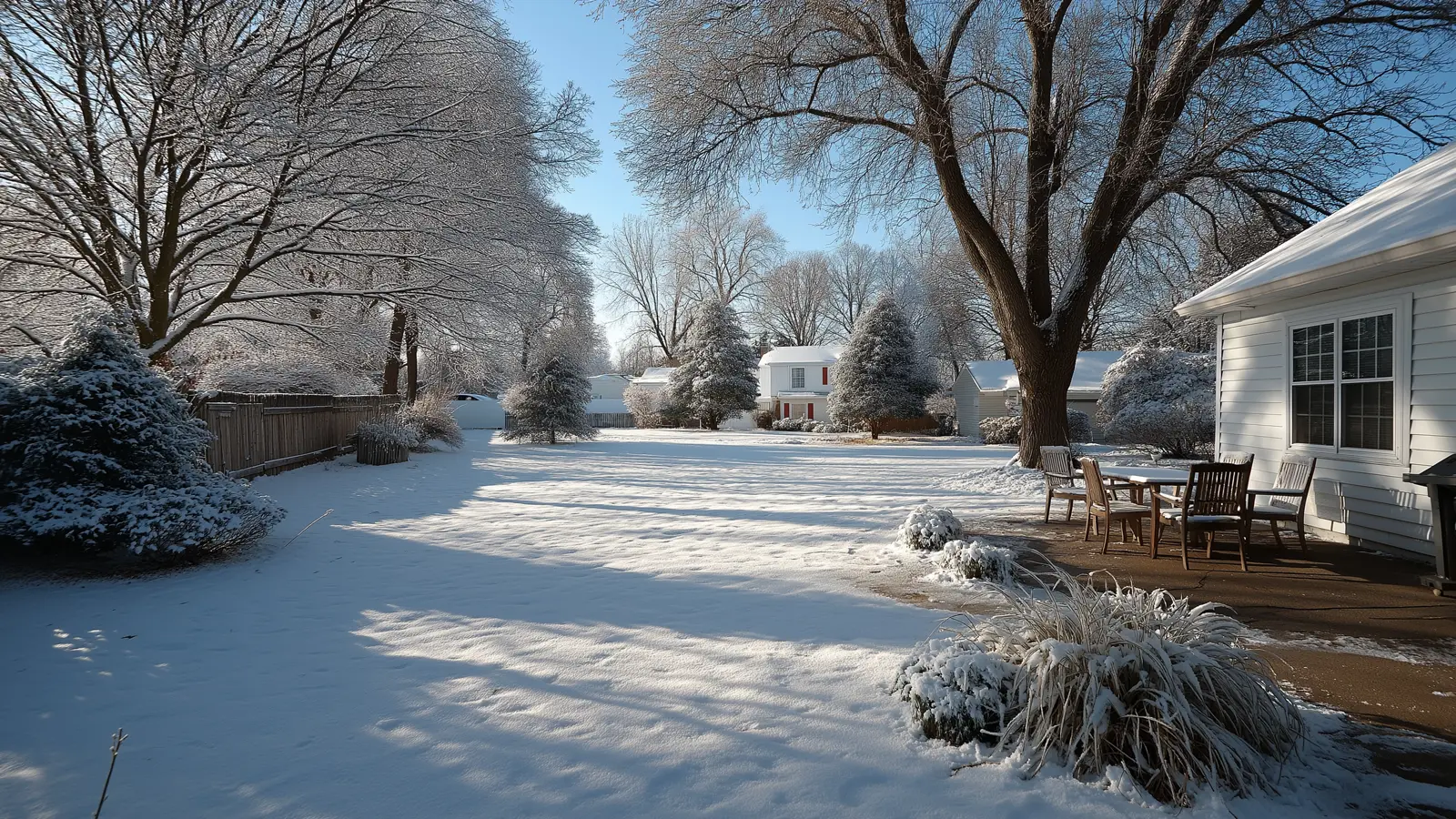
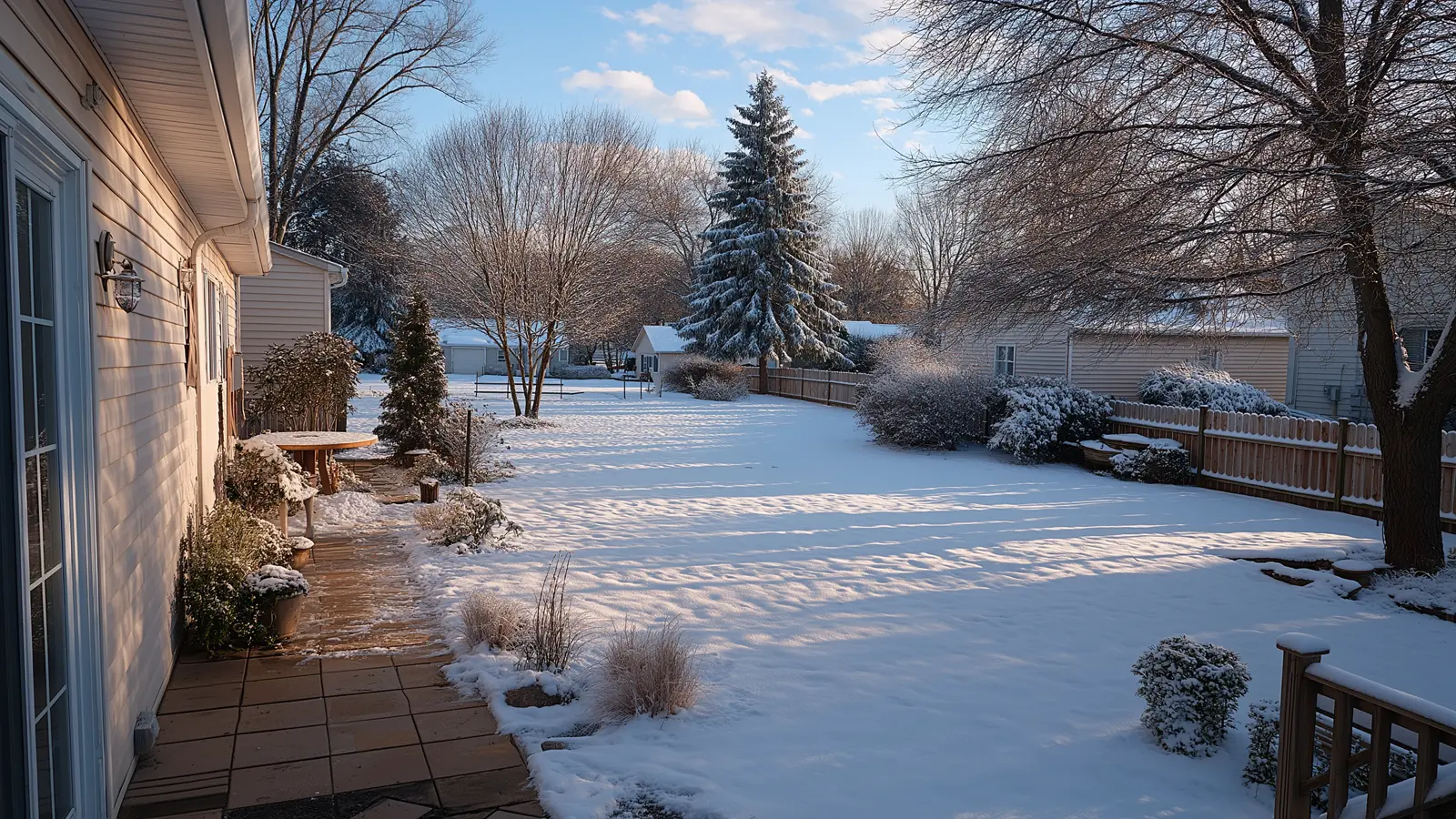
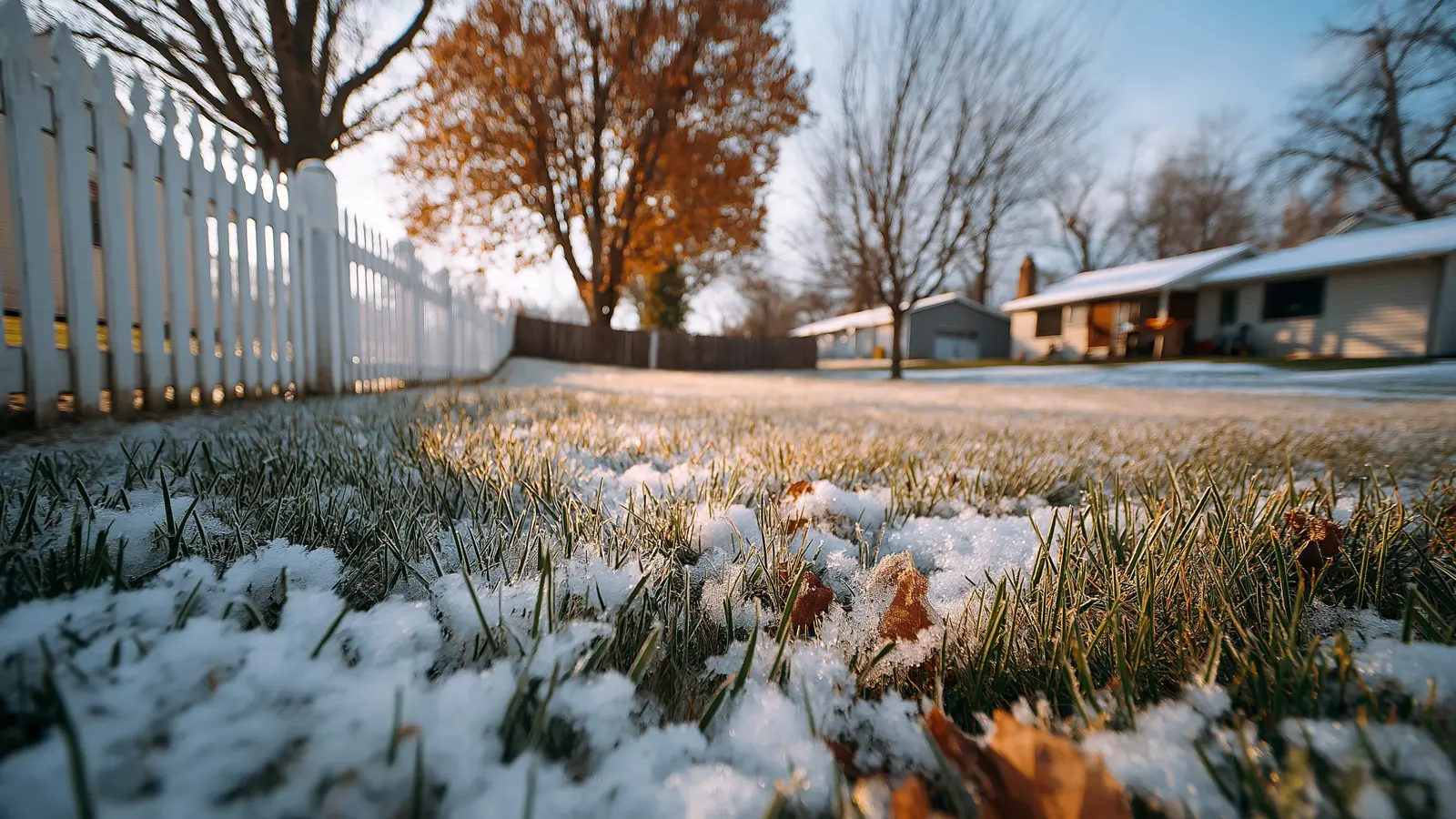
Soil doesn’t shut down in winter. It responds to stress. In Northeast Ohio, repeated freeze–thaw cycles cause soil temperatures to fluctuate just enough to trigger constant expansion and contraction beneath the surface. When moisture freezes, it expands. When it thaws, the soil settles again, often more densely than before. Over time, that movement compresses soil particles and reduces the air space roots depend on to function.
Clay-heavy soils magnify the problem. Much of this region sits on dense clay or clay-loam soils that drain slowly even in ideal conditions. When snowmelt or winter rain hits frozen or partially frozen ground, water has nowhere to go. Saturated soil freezes harder, thaws more slowly and collapses more aggressively, increasing compaction rather than relieving it. While freeze–thaw cycles can loosen soil in dry, well-drained environments, in wet clay soils, they typically do the opposite.
Frost heaving is another winter effect homeowners notice without always understanding the cause. As water freezes below the surface, it pushes soil upward, lifting turf, perennials and shallow-rooted plants. When the ground thaws, soil rarely settles back evenly. That leaves raised areas, exposed roots and disrupted soil layers that struggle to reconnect once growth resumes.
Winter also introduces chemical stress. Deicing salts don’t stop at the edge of a driveway or sidewalk. They move into the surrounding soil, altering its chemistry and pulling moisture away from roots. Salt can block nutrient uptake well after snow is gone, leaving grass and plants unable to recover despite proper spring care. Combined with physical soil shifts, these chemical changes quietly weaken the foundation that lawns rely on long before the growing season begins.
Why Healthy Soil Matters More Than Any Spring Treatment
Every spring, lawn treatment assumes one thing: that the soil can support it. Grass seed needs consistent moisture. Roots need oxygen. Nutrients need a clear path into the plant. When winter compromises soil structure, those systems break down regardless of how carefully spring care is applied.
Compacted soil restricts airflow and limits water infiltration, forcing roots to remain shallow and fragile. Instead of soaking in, water moves across the surface or collects in low areas, carrying nutrients away before plants can use them. Fertilizer applied to stressed soil often feeds runoff more than roots, which is why lawns can receive textbook care and still fail to improve.
This is also where delayed damage shows up. Roots injured by extreme cold, salt exposure or prolonged saturation may support early green-up as temperatures rise. Lawns can look promising in April, then thin dramatically in late spring when water demand increases and damaged roots can no longer keep up. To homeowners, that decline feels sudden. In practice, it started months earlier beneath frozen ground.
Healthy soil provides stability as conditions change. It buffers temperature swings, manages moisture and allows roots to grow deeper as the season progresses. Without that foundation, spring treatments become short-term fixes layered over an unstable system, leading to repeated disappointment and the sense that lawn care never quite delivers lasting results.
The Most Common Spring Lawn Repair Failures Caused by Winter Damage
Most spring lawn failures aren’t caused by poor timing or skipped steps. They’re symptoms of soil that entered spring already compromised.
Grass seed is often the first casualty. In compacted or unstable soil, seed struggles to maintain consistent contact with moisture and air. Heavy spring rains can wash seed away entirely, while frost-heaved areas prevent even germination. What does sprout frequently develops shallow roots that fail once temperatures rise.
Fertilizer performance suffers as well. When soil structure is damaged, nutrients can’t move efficiently into the root zone. Water runs off instead of soaking in, carrying fertilizer with it and leaving grass undernourished. This is especially noticeable in areas that remain wet or muddy long after snowmelt, where saturated soil restricts oxygen and root activity.
Uneven ground is another clear signal. Frost heaving lifts sections of turf during winter, exposing roots and disrupting soil layers. When the ground thaws, those areas rarely settle back on their own. The result is lumpy, raised or spongy patches that resist mowing, seeding and repair.
Salt exposure compounds all of these issues. Along driveways, sidewalks and roads, deicing salts create high concentrations in the soil that draw moisture away from roots and block nutrient uptake. Grass may appear scorched, thin or slow to recover in these zones, and even aggressive spring care often fails until soil conditions improve.
Each of these failures points to the same underlying issue. Spring lawn repairs are being asked to perform on soil that can no longer support them.
Why Waiting Until Spring Makes the Problem Worse
By the time spring arrives, many of the best opportunities to address soil damage have already passed. Winter in Northeast Ohio rarely ends cleanly. Freeze–thaw cycles often continue into late February and March, especially during rain-on-snow events that saturate soil before another hard freeze. Each cycle further destabilizes soil structure, increasing compaction and erosion in already vulnerable areas.
Spring conditions also limit what can be done safely. Soil is often too wet to handle foot traffic, equipment or aggressive repair without causing additional compaction. Well-intended attempts to rake, aerate or level uneven ground can collapse soil pores further, locking in the very problems homeowners are trying to fix.
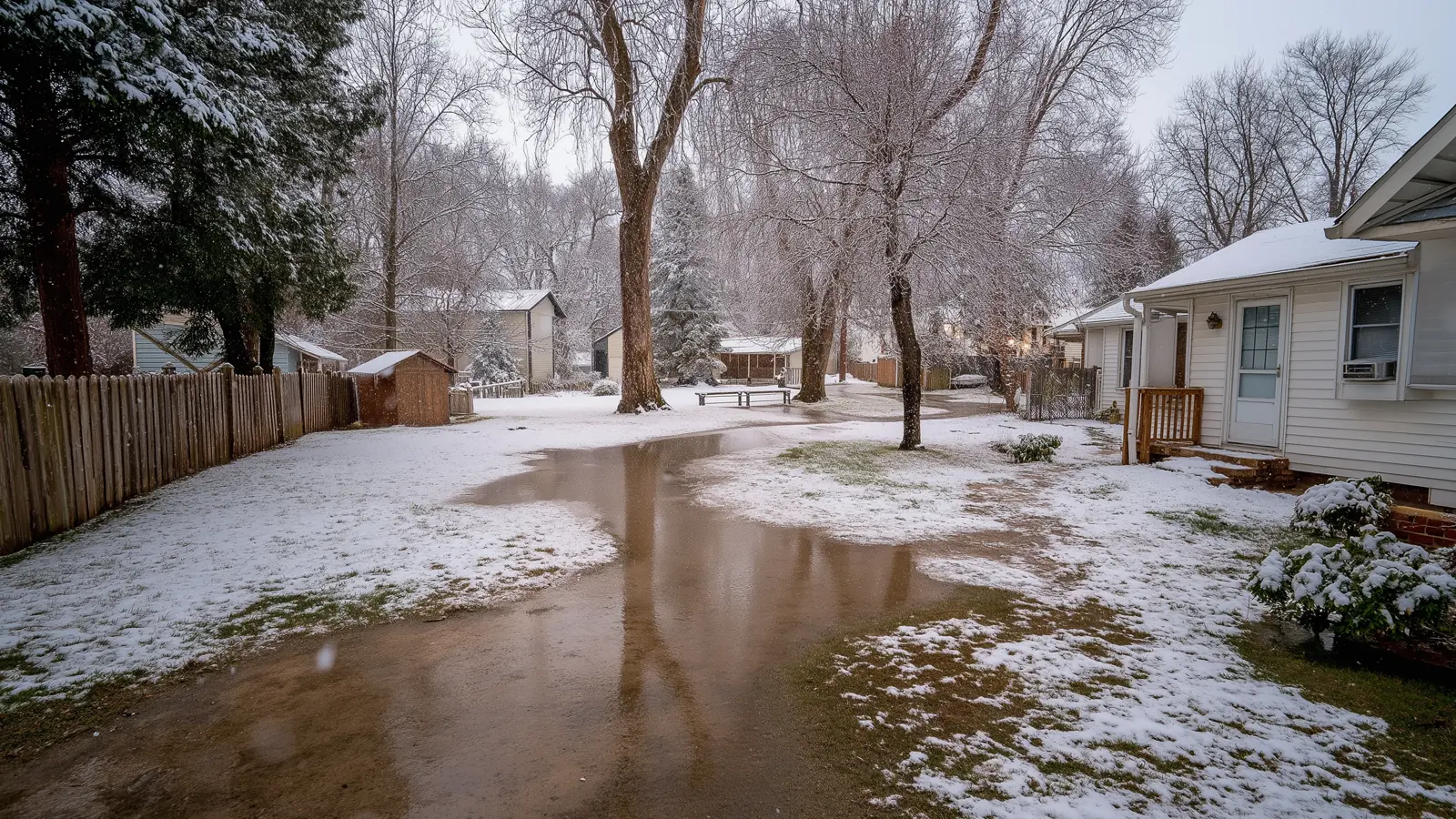
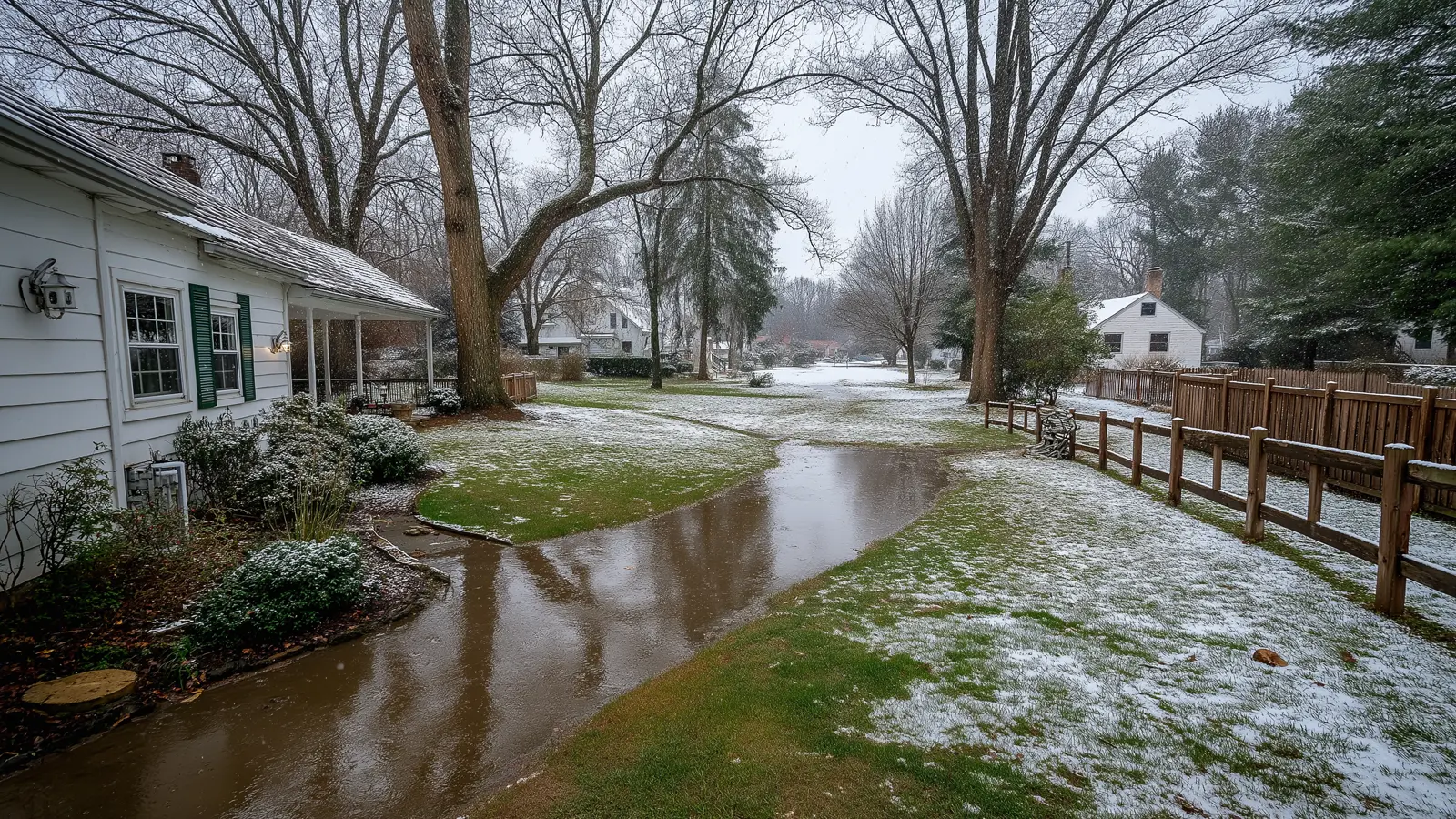
Drainage issues become more visible as well. Snowmelt and early rains expose low spots and slow-draining zones, but addressing them after the ground has thawed can be disruptive and costly. In the meantime, standing water continues to suffocate roots and wash nutrients away, setting lawns back before growth fully begins.
Waiting until spring turns soil repair into a race against moisture, temperature and growth cycles. What could have been identified and planned earlier becomes reactive work under far less forgiving conditions.
How to Identify Winter Soil Damage Before Spring Repairs Begin
Winter soil damage doesn’t require specialized tools to recognize. The signs are usually visible as soon as snow begins to melt and temperatures fluctuate.
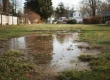
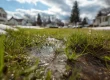
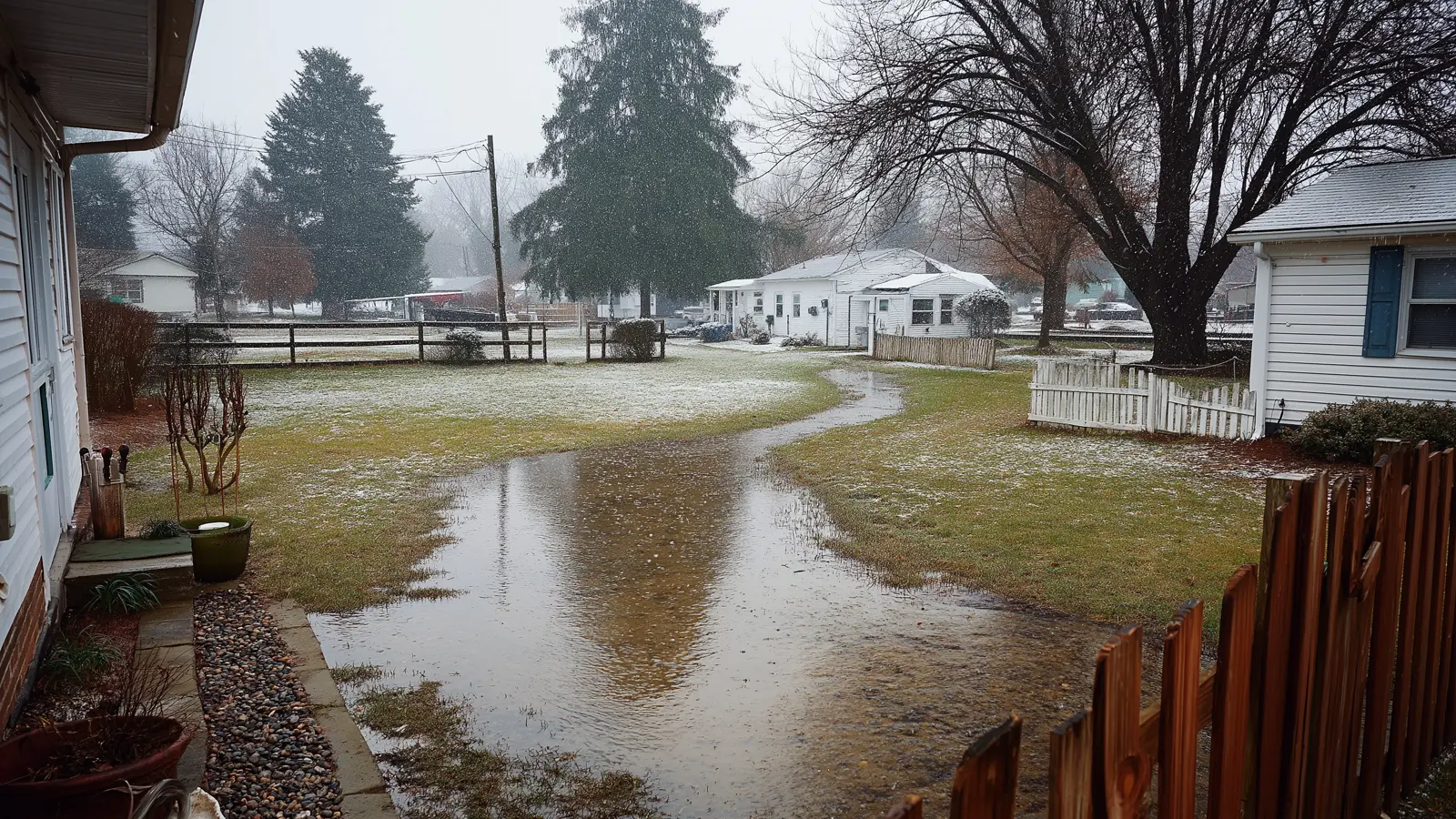
Standing water after snowmelt or winter rain is one of the clearest indicators. If certain areas remain puddled or muddy days after the surrounding ground has dried, soil structure and drainage are likely compromised beneath the surface.
Uneven ground is another common clue. Raised turf, exposed roots or areas that feel spongy underfoot often indicate frost heaving. These spots may appear minor at first but signal disrupted soil layers that struggle to reconnect in spring.
Pay attention to areas that consistently lag behind the rest of the lawn. Zones that stay colder, wetter or slower to green up year after year often share the same underlying issue: restricted airflow and water movement in the soil. Salt-affected areas near driveways and sidewalks frequently fall into this category.
Most telling of all is repetition. If the same sections of lawn fail every spring despite reseeding, fertilizing and watering, the issue isn’t the treatment. It’s the soil beneath it.
When Professional Evaluation Makes the Difference
Some soil problems are easy to spot. Understanding how deep they run and how they interact is another matter entirely. A professional evaluation looks beyond surface symptoms to assess compaction depth, drainage behavior and overall soil stability before spring work begins.
In many Northeast Ohio landscapes, multiple issues overlap. Compaction, poor drainage and salt exposure often work together, especially in clay soils. Addressing only what’s visible may temporarily improve appearance, but it rarely resolves the problem long-term.
Timing is equally important. Knowing when soil can safely handle aeration, grading or repair prevents additional damage during wet spring conditions. Proper sequencing allows spring treatments to work with soil conditions rather than fight against them.
Most importantly, a professional evaluation breaks the annual cycle. Instead of investing in seed and fertilizer that deliver short-lived results, soil issues are addressed at the foundation level, where real improvement begins.
Strong Lawns Start Before the Grass Grows
Spring lawn problems rarely come down to effort. Most homeowners do the right things at the right time and still struggle with thin growth, uneven turf or recurring problem areas. The difference isn’t the care being applied. It’s the condition of the soil receiving it.
Winter quietly determines how well a lawn can respond once growth resumes. Freeze–thaw cycles, prolonged moisture, soil compaction and chemical stress all shape what roots are capable of supporting. When that damage goes unaddressed, spring treatments are forced to work against limitations no amount of seed or fertilizer can overcome.
Strong lawns are built before grass begins growing. Paying attention to soil conditions during and after winter, recognizing early warning signs and addressing underlying problems first allows spring care to work as intended. Instead of repeating the same repairs year after year, homeowners can build a lawn that recovers more easily, grows more evenly and stays healthier throughout the season.