
Why Some Lawns Stay Wet All Year, Even When Drainage Looks Fine
Understanding what causes lawns to stay wet after rain and how the right drainage solution restores healthy turf.
Every spring, the same frustration shows up in yards across Northeast Ohio. A storm passes, the clouds clear, and the sun returns, yet parts of the lawn remain wet long after the rain has stopped. Some areas feel soft underfoot. Others develop muddy patches that never seem to dry out. Over time, those spots often become thin, patchy, or bare, no matter how much seed, fertilizer, or attention the lawn receives.
When a lawn stays wet after rain, the problem is rarely just the weather. In many cases, it signals that the soil and landscape are struggling to move water the way they should. Drainage problems often develop slowly as soil compacts, subtle grade changes appear or runoff begins concentrating in certain areas of the yard. Because these changes happen gradually, the lawn may continue to look normal at first while the conditions beneath the surface steadily worsen.
Much of Northeast Ohio sits on dense clay or clay-loam soils, and winter freeze–thaw cycles gradually compress and shift those soils over time. Snowmelt and early-spring rains often arrive when the ground is still partially frozen, leaving moisture trapped near the surface before grass even begins to grow.
Understanding why this happens is the first step toward fixing it. Some wet lawns simply need soil improvements or small corrections to restore proper drainage. Others require deeper changes to how water flows across the property. The challenge is recognizing which situation you’re dealing with before applying solutions that never quite solve the problem.
When a lawn stays wet after rain, the cause usually falls into a few categories. Soil may drain too slowly because it has become compacted or contains heavy clay. Subtle grade changes can trap water in low areas that are difficult to see when the lawn is dry. In other cases, runoff from roofs, driveways or nearby surfaces directs excess water into the yard. Identifying which of these conditions is present allows the correct solution to work.
The sections below explain how to tell when a lawn has a drainage issue, why certain yards stay wet even when they appear level and what kinds of fixes actually restore healthy growing conditions.
How to Tell If Your Lawn Has a Drainage Problem
After a heavy rain, most healthy lawns begin drying within a day or two. Water soaks into the soil, air moves back into the root zone and the surface firms up enough to walk across without leaving deep footprints. When that recovery doesn’t happen, it usually signals that the lawn is struggling with poor soil drainage or a deeper yard drainage problem affecting how water moves through the ground.
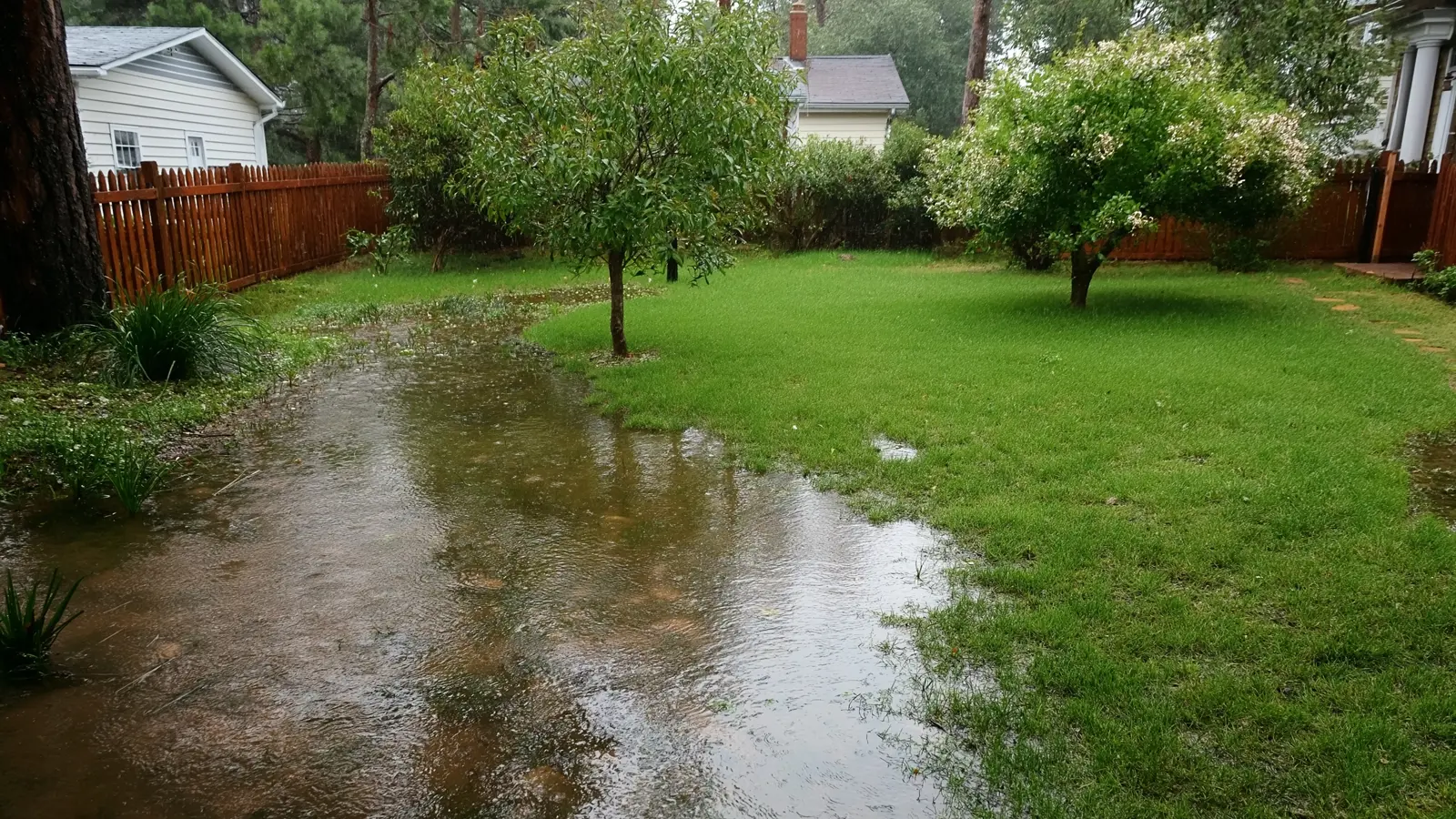
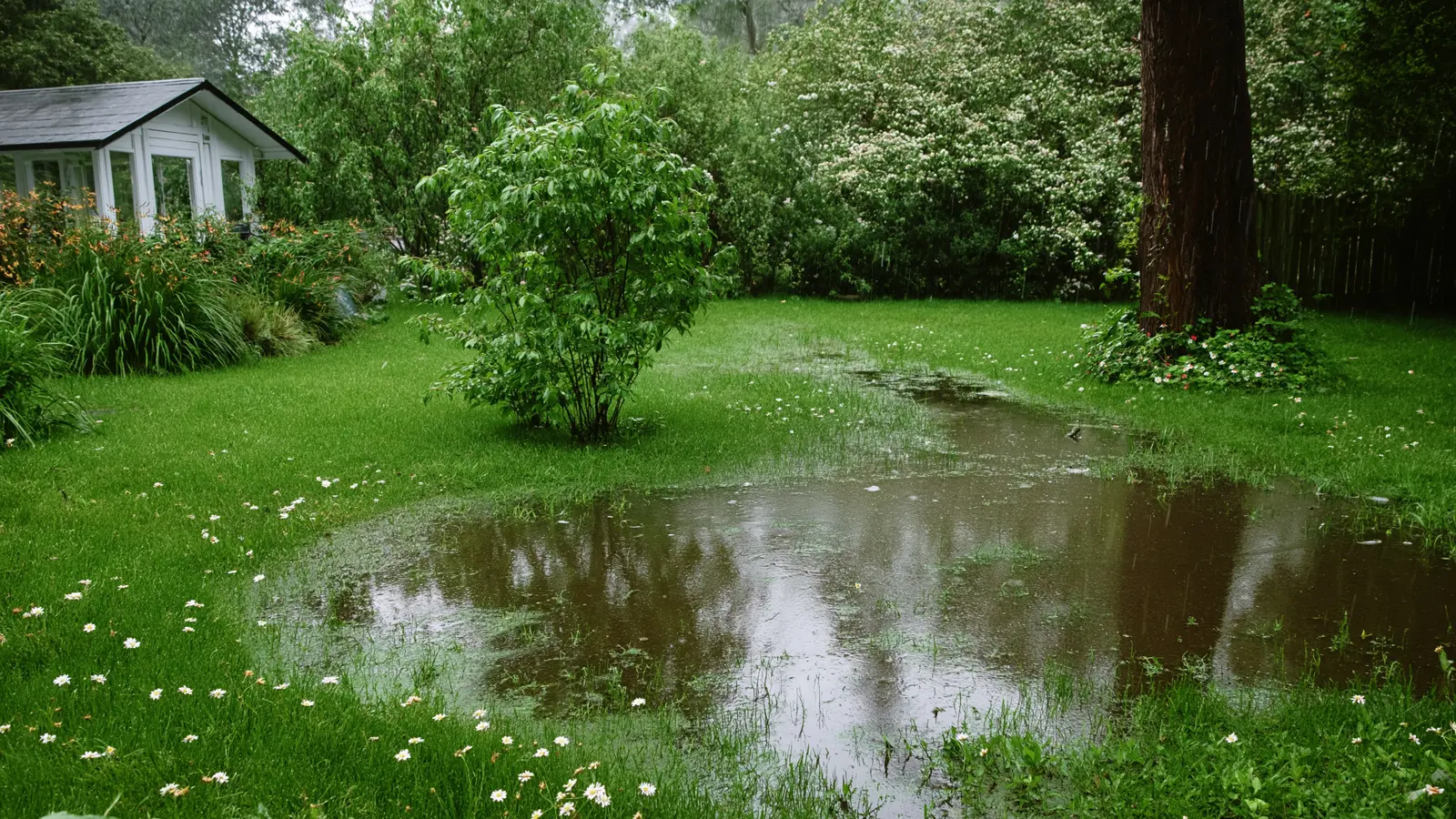
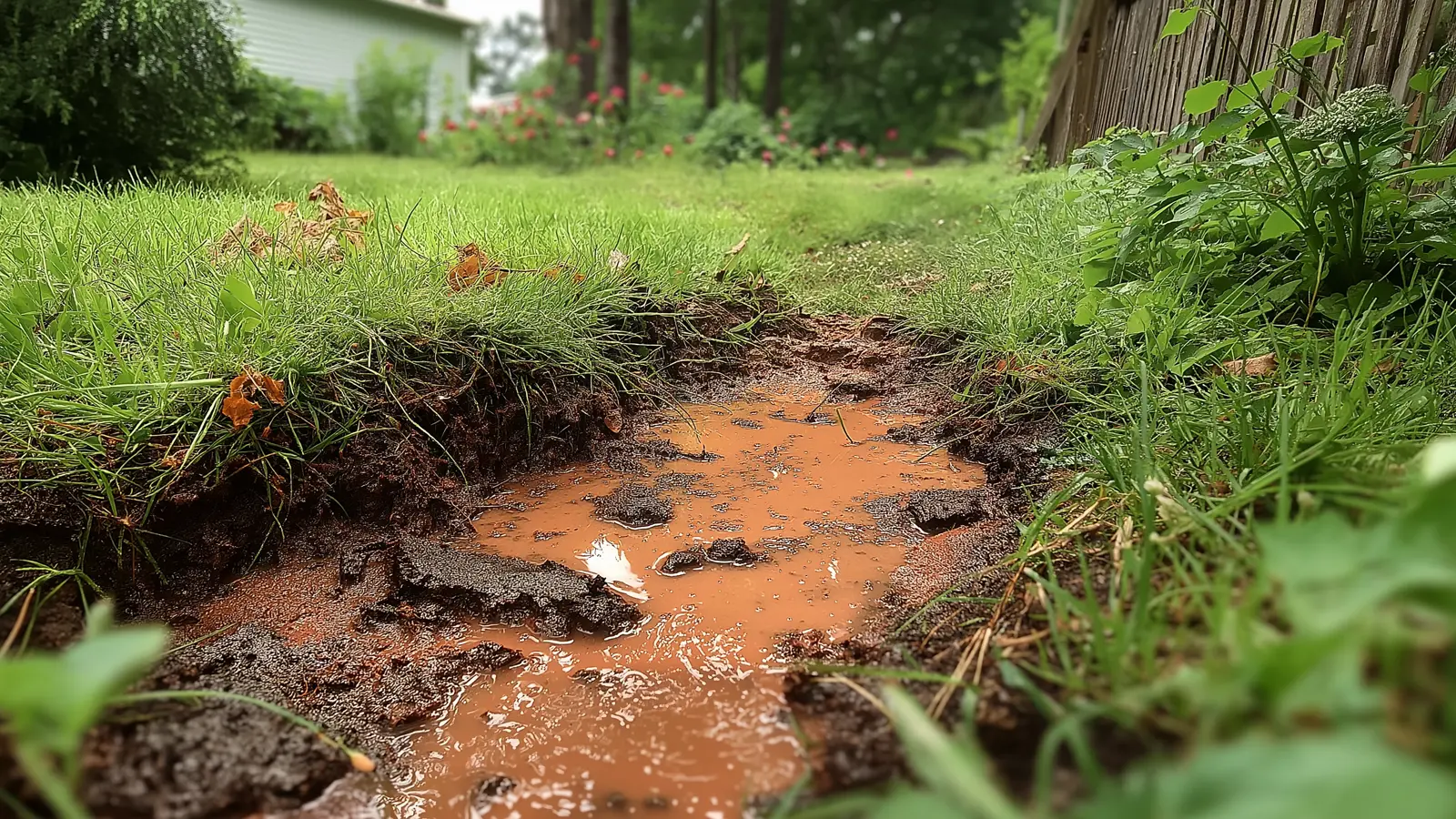
The first signs often appear in subtle ways. Certain sections of the lawn remain soft or muddy long after nearby areas have dried. Mower tracks sink into the turf. Footprints linger where you walk across the grass. In more severe cases, water pooling or shallow puddles may remain visible after moderate rainfall. When these conditions repeat after every storm, the lawn is likely dealing with more than temporary saturation.
A simple way to evaluate soil drainage is with a quick percolation test. Dig a small hole about six to eight inches deep in one of the wet areas and fill it with water. Then watch how long it takes for the water to disappear. In healthy soil, water typically drains within 30 to 60 minutes. If it takes one to three hours, the soil is draining slowly and may benefit from improvement. If the water remains in the hole for several hours or even overnight, the soil is likely struggling to move water downward at all.
While diagnosing the issue, it’s important to avoid walking or working on saturated turf. Heavy foot traffic or mowing on a wet lawn compresses the soil further, making drainage problems worse. Compaction reduces the tiny air spaces that allow water to move through the ground, which means each storm can leave the lawn wetter than the last.
Recognizing these patterns early helps separate normal post-rain moisture from a true drainage problem. Once it’s clear that the lawn consistently stays wet, the next step is understanding why water is lingering in the soil in the first place.
Why Some Lawns Stay Wet Even When They Look Level
When homeowners notice a wet lawn, the first assumption is usually that the yard must slope the wrong way or that water is collecting in obvious low spots. Sometimes that’s true, but many lawns stay wet even when the surface appears relatively level, and no puddles are visible. In these cases, the problem often lies beneath the surface rather than in the yard’s visible shape.
One of the most common causes is soil compaction. Over time, mowing equipment, foot traffic and construction activity press soil particles tightly together. As the spaces between those particles shrink, water has fewer pathways to move downward. Instead of soaking into the ground and draining away, moisture lingers near the surface where grass roots struggle to breathe.
Soil type also plays a major role. Much of Northeast Ohio sits on heavy clay soil, which naturally drains more slowly than sandy or loamy soils. Clay particles are extremely small and pack closely together, leaving very little space for water and air to move through the soil. When clay soil becomes compacted, drainage slows even further, making it common for lawns in the region to remain wet long after rainfall.
Even small changes in the shape of the lawn can contribute to the problem. Subtle low areas or shallow depressions may develop over time as soil settles, erodes or shifts during freeze–thaw cycles. These depressions may be difficult to see when the lawn is dry, but they can collect runoff during storms and keep certain areas wetter than the rest of the yard.
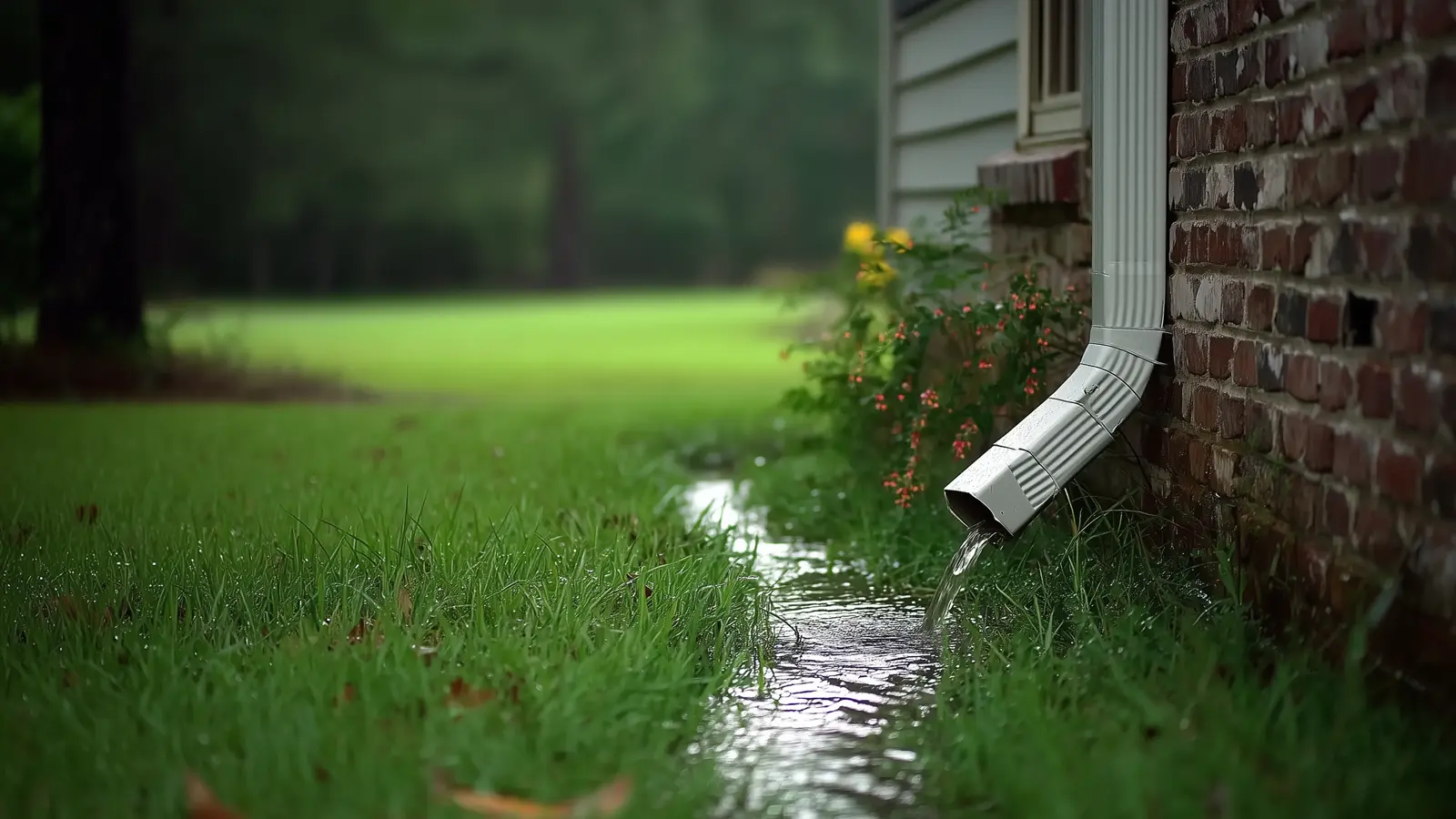
Finally, water doesn’t always originate from rainfall alone. Roof runoff from downspouts, as well as water flowing off driveways, patios or sidewalks, can concentrate large volumes of water in specific areas of the lawn. When this runoff repeatedly drains toward the same sections of turf, the soil in those areas can remain saturated long after the storm has passed.
When several of these factors overlap, the result is a lawn that consistently stays wet even though the yard appears properly graded. Understanding these underlying conditions helps explain why simple lawn repairs often struggle to solve the problem on their own.
When Simple Lawn Fixes Actually Work
Not every wet lawn requires major drainage work. In many cases, the soil system is still functional, but it has become stressed by compaction, heavy soil or minor grading issues. When that happens, targeted improvements can restore how water moves through the lawn without changing the entire landscape.
One of the most effective first steps is core aeration. By removing small plugs of soil using hollow tines, aeration creates channels that allow water and air to move deeper into the ground. These openings also give plant roots space to expand, which improves the lawn’s ability to absorb moisture during future storms. For many lawns, aerating once each year can significantly improve drainage, especially in areas that experience regular foot traffic or mowing equipment.
Aeration becomes even more effective when paired with topdressing. After aerating, spreading a thin layer of compost across the lawn introduces organic matter that gradually improves soil structure. Organic matter helps soil particles form stable aggregates with larger pore spaces, allowing water to move more freely through the ground while still retaining enough moisture for plant growth.
Sometimes the issue is not the soil itself but the way water enters the yard. Redirecting downspouts away from the lawn can reduce the volume of water flowing into already saturated areas. Even extending downspouts several feet from the house can prevent runoff from concentrating in a single section of turf.
Minor low spots can also be corrected without major landscape work. Gradually adding a soil-and-compost mixture to shallow depressions helps level the surface and prevents water from collecting in the same locations after each rain.
When the lawn’s underlying soil structure remains healthy, these relatively simple improvements often restore balance. Water begins soaking into the ground more efficiently, roots regain access to oxygen, and the turf can recover without the need for more extensive drainage systems.
When the Lawn Needs a Structural Drainage Solution
Sometimes the problem goes beyond what aeration, compost or small grading adjustments can solve. If large sections of the lawn stay wet after moderate rain or the same areas remain saturated year after year, the issue may involve how water moves across the entire property rather than just the soil in the turf.
One sign of this shift is persistent standing water that lasts more than a day or two after rainfall. Another is a lawn that repeatedly develops thin or bare patches in the same locations despite reseeding and soil improvement efforts. In these situations, the ground may be receiving more water than it can realistically absorb, or water may be collecting because the surrounding landscape directs runoff toward the lawn.
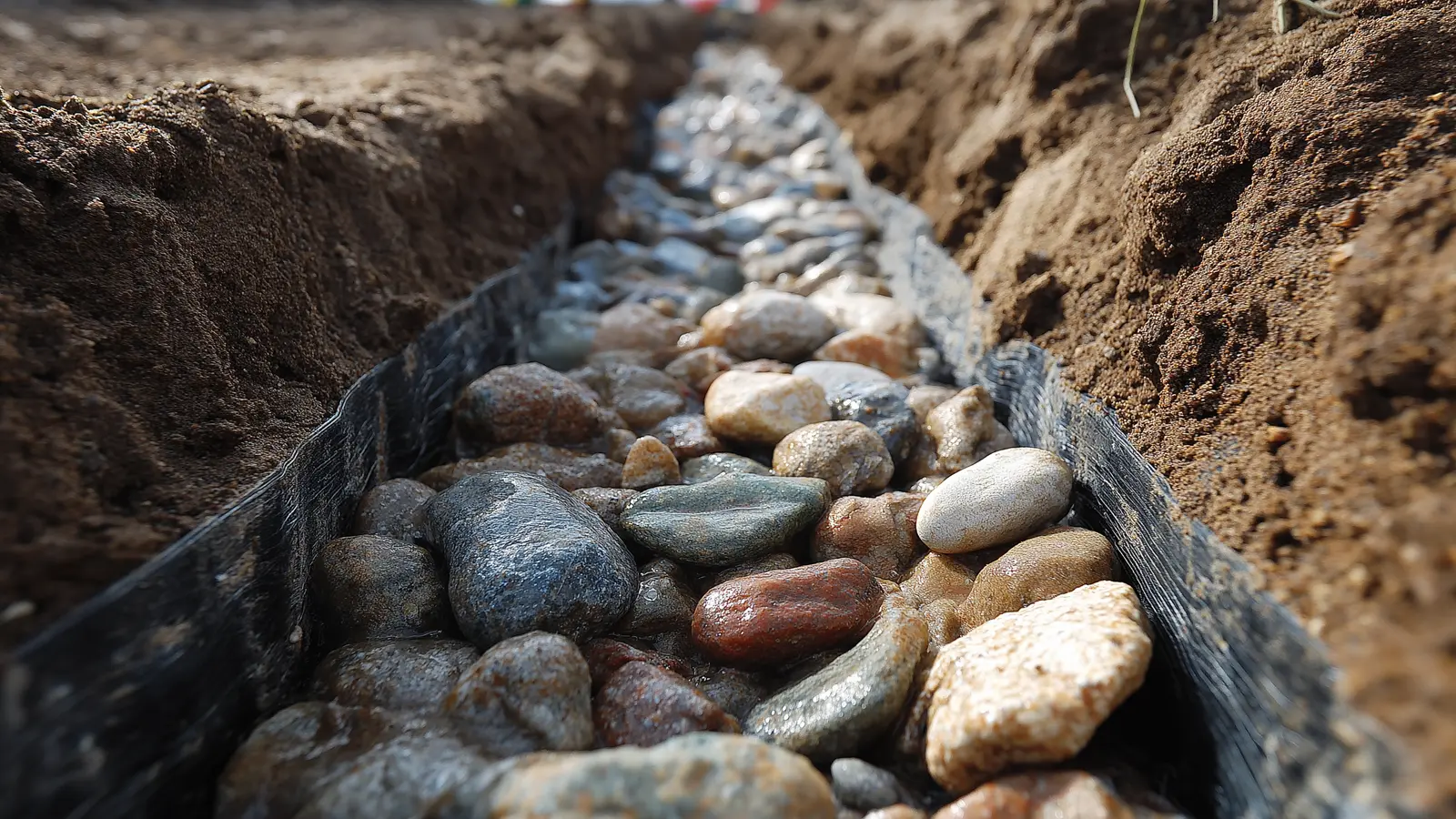
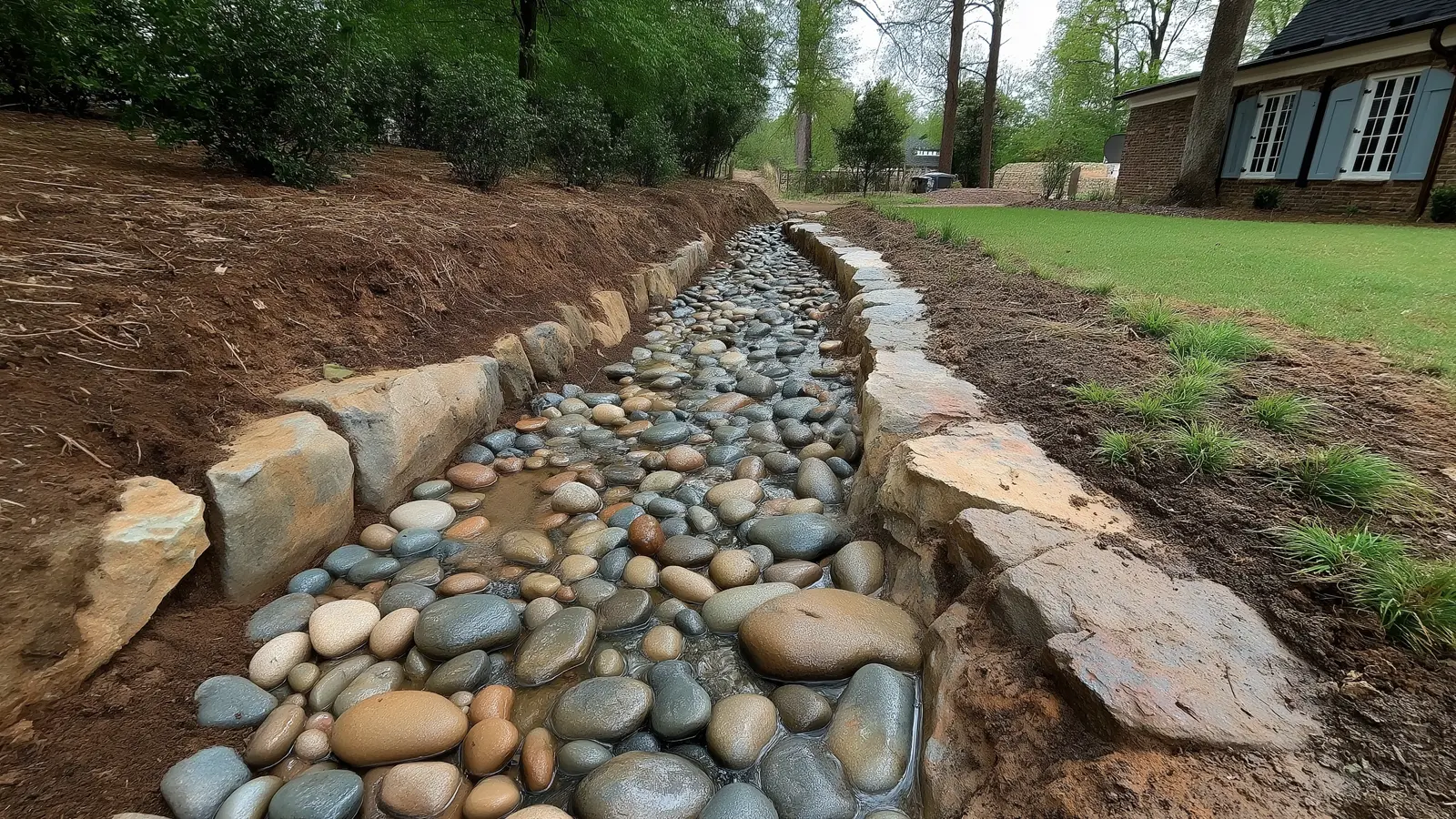
When drainage problems reach this level, the solution usually involves changing the path water takes through the landscape. Systems such as French drains use gravel trenches and perforated pipes to capture water and move it away from saturated areas. In other cases, reshaping the landscape through regrading can redirect runoff so it flows away from problem zones instead of settling into them.
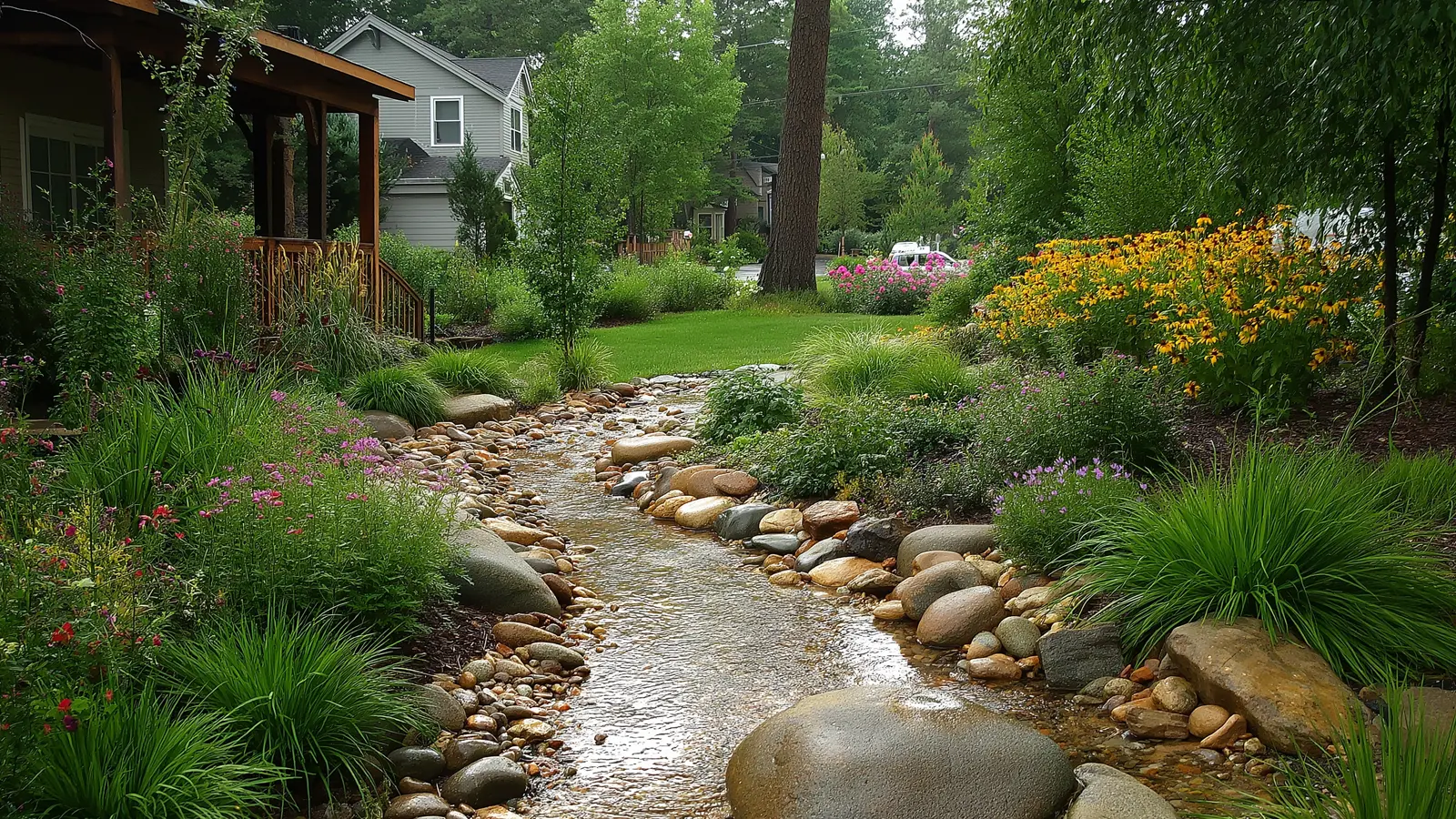
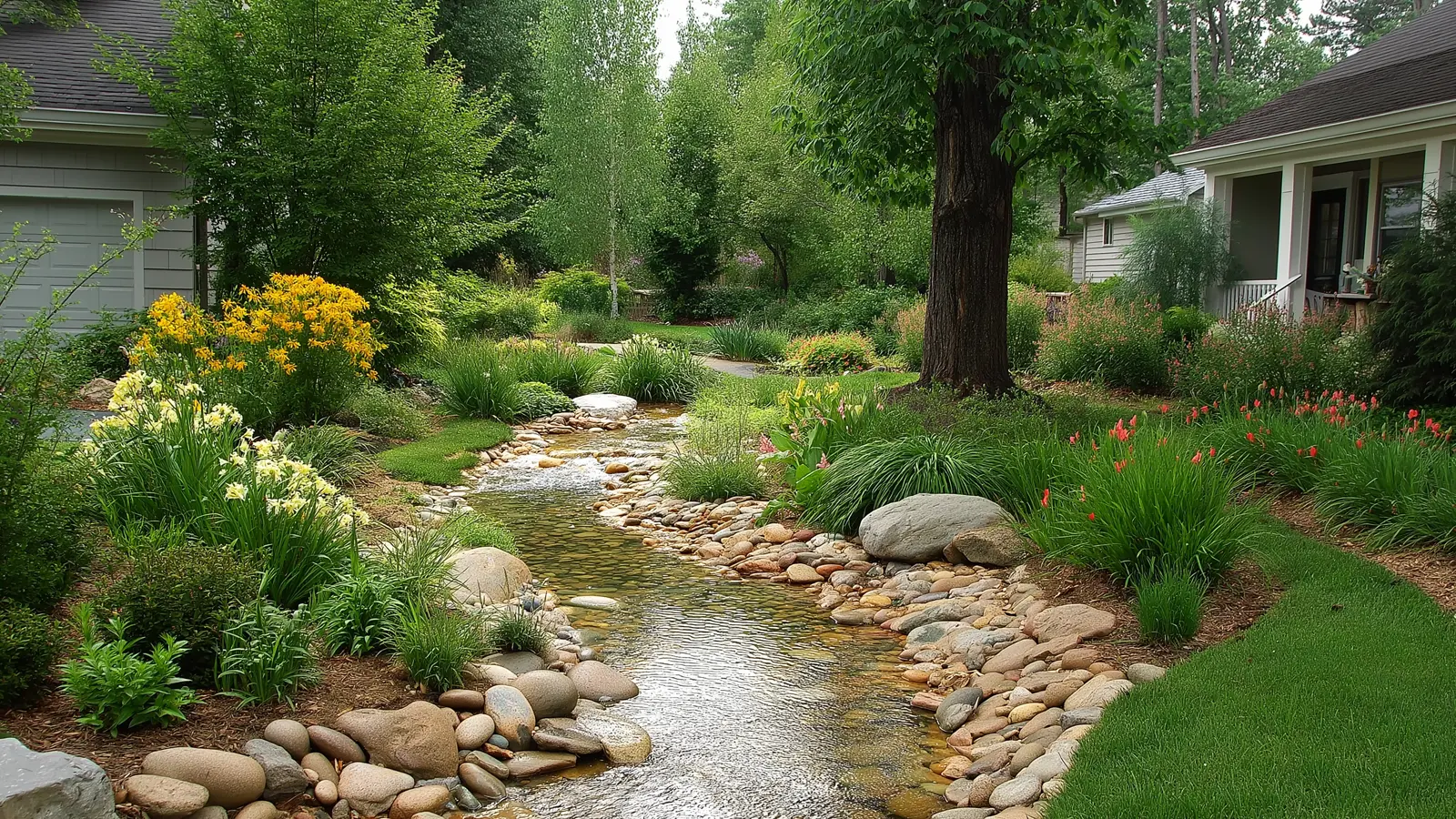
Some properties benefit from solutions that manage water more naturally. Rain gardens and dry creek beds can guide runoff through the yard while allowing water to slowly soak into the soil rather than pooling on the surface. These approaches often work well when drainage problems are driven by stormwater movement across the property rather than by soil compaction.
The key difference between these solutions and simple lawn repairs is that they address how water behaves across the entire site. When drainage issues are structural rather than surface-level, improving the lawn itself won’t fully solve the problem. Adjusting how the landscape handles water ultimately allows the soil and turf to function normally again.

Fixing the Cause, Not Just the Symptoms
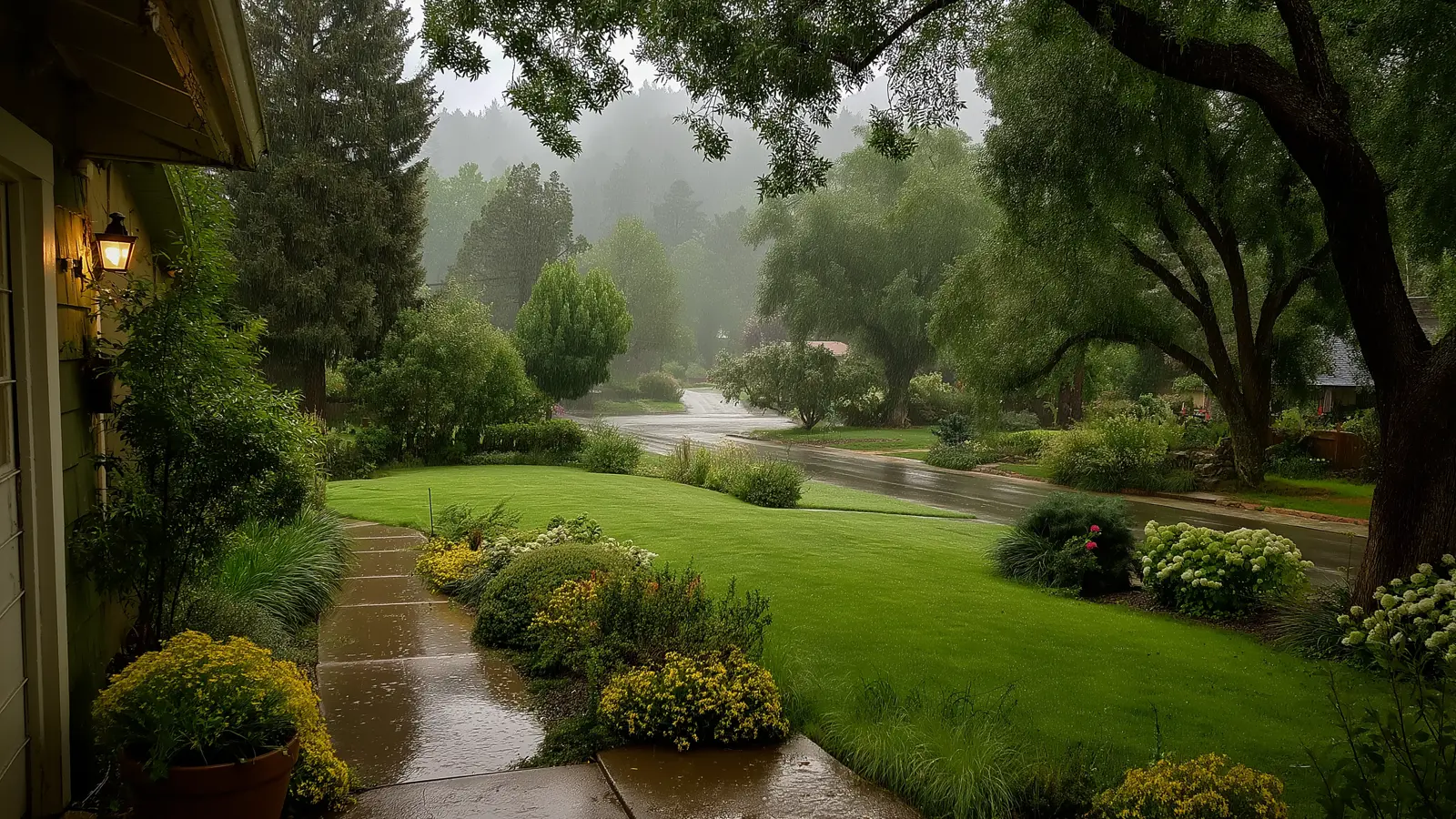
When a lawn stays wet after rain, the problem is rarely just excess water. More often, it reflects how water moves through the soil and across the landscape. Compacted ground, heavy clay soils, subtle low areas and concentrated runoff can all prevent moisture from draining the way a healthy lawn requires.
Understanding that difference is important because many homeowners focus on visible symptoms rather than underlying conditions. Reseeding thin areas or adding fertilizer may temporarily improve the appearance, but those efforts rarely hold when the soil beneath the grass remains saturated. Healthy turf depends on soil that can balance water and oxygen, allowing roots to grow deeply and consistently.
The key is to determine whether the issue can be corrected with incremental improvements or whether the landscape needs a broader drainage solution. In some lawns, aeration, organic matter and minor grading adjustments are enough to restore balance. In others, redirecting water or reshaping how it moves across the yard becomes necessary.
Once the cause of the moisture problem is addressed, the lawn itself usually becomes much easier to manage. Grass grows more evenly, roots strengthen, and the repeated cycle of muddy patches and failed repairs begins to fade. By focusing on how the landscape handles water rather than just treating surface symptoms, homeowners can restore the conditions that keep a lawn healthy long after the rain has passed.