

Early Spring Lawn Care Mistakes to Avoid
Acting too early in spring often causes more harm than good, especially when the soil is not ready to support healthy growth.
Spring creates a sense of urgency around the lawn. After months of winter dormancy, it’s natural to want to clean things up, repair damage and get everything growing again as quickly as possible. The problem is that most early-spring lawn-care advice focuses on what to do, not when it actually makes sense to do it.
That’s where many homeowners run into trouble.
In Northeast Ohio, lawns don’t all wake up at the same time, and the soil often lags behind what the weather suggests. Warmer days can make it feel like the season has started, but below the surface, conditions are still shifting. Acting too early—even with the right intentions—can create setbacks that don’t show up until much later in the year.
Most early-spring lawn-care mistakes follow a familiar pattern. Lawns are mowed before they’re actively growing, seed is applied before soil conditions stabilize, fertilizer is used to spur growth too soon, and visible drainage issues are treated as temporary rather than structural. Each of these decisions seems reasonable on its own, but they tend to create the same result.
They push the lawn before it’s ready to respond.
This is why so many common lawn care mistakes happen in early spring. They’re not random, and they’re not caused by a lack of effort. They come from working against the lawn’s timing instead of with it.
Understanding how and why that happens makes it easier to avoid the most common mistakes—and sets the foundation for a healthier, more resilient lawn through the rest of the growing season.
The Real Problem: Acting on the Calendar Instead of the Soil
Most early spring lawn care mistakes don’t come from bad decisions; they come from good decisions made at the wrong time. As soon as snow clears and temperatures rise, the instinct is to get started. The lawn looks worn down, debris is visible, and it feels like progress should begin immediately. From the surface, it appears ready.
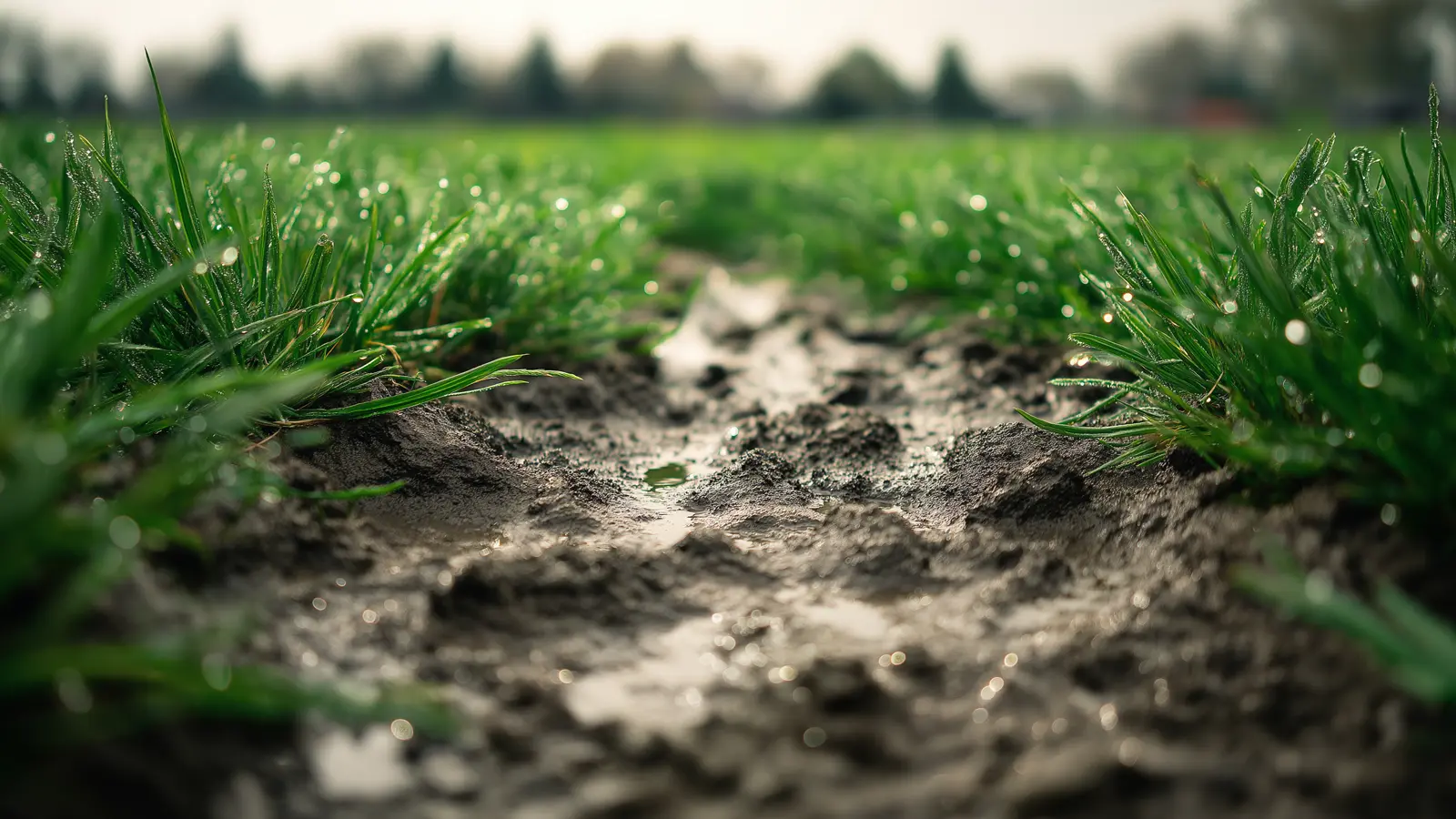
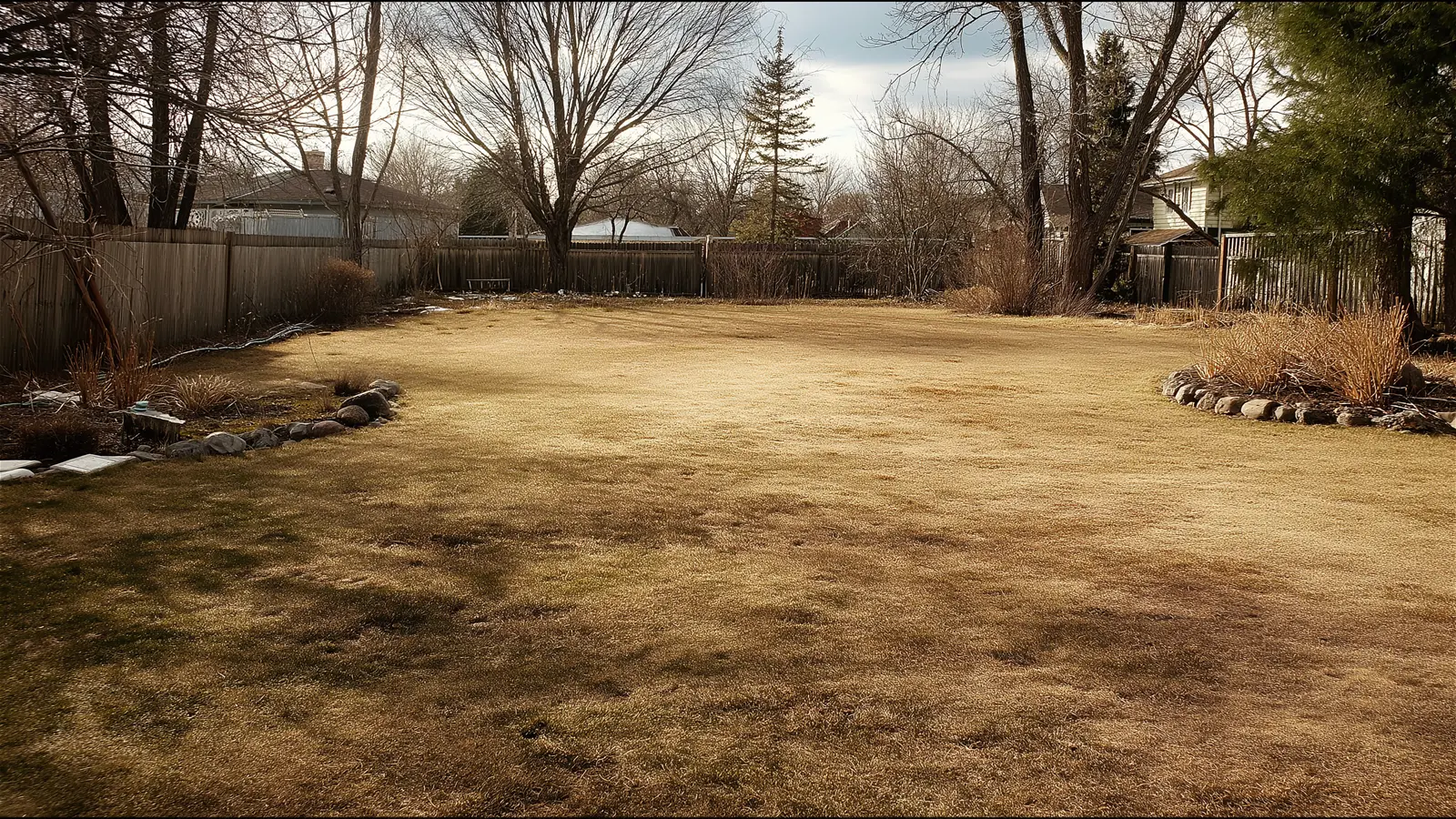
But below the surface, it rarely is. Soil temperatures often lag behind air temperatures, especially during early-season swings, and the ground is still holding moisture from snowmelt and early-spring rain. In Northeast Ohio, clay-heavy soils slow drainage even further, while freeze–thaw cycles leave the soil loose in some areas and compressed in others. This creates unstable conditions that aren’t visible at a glance.
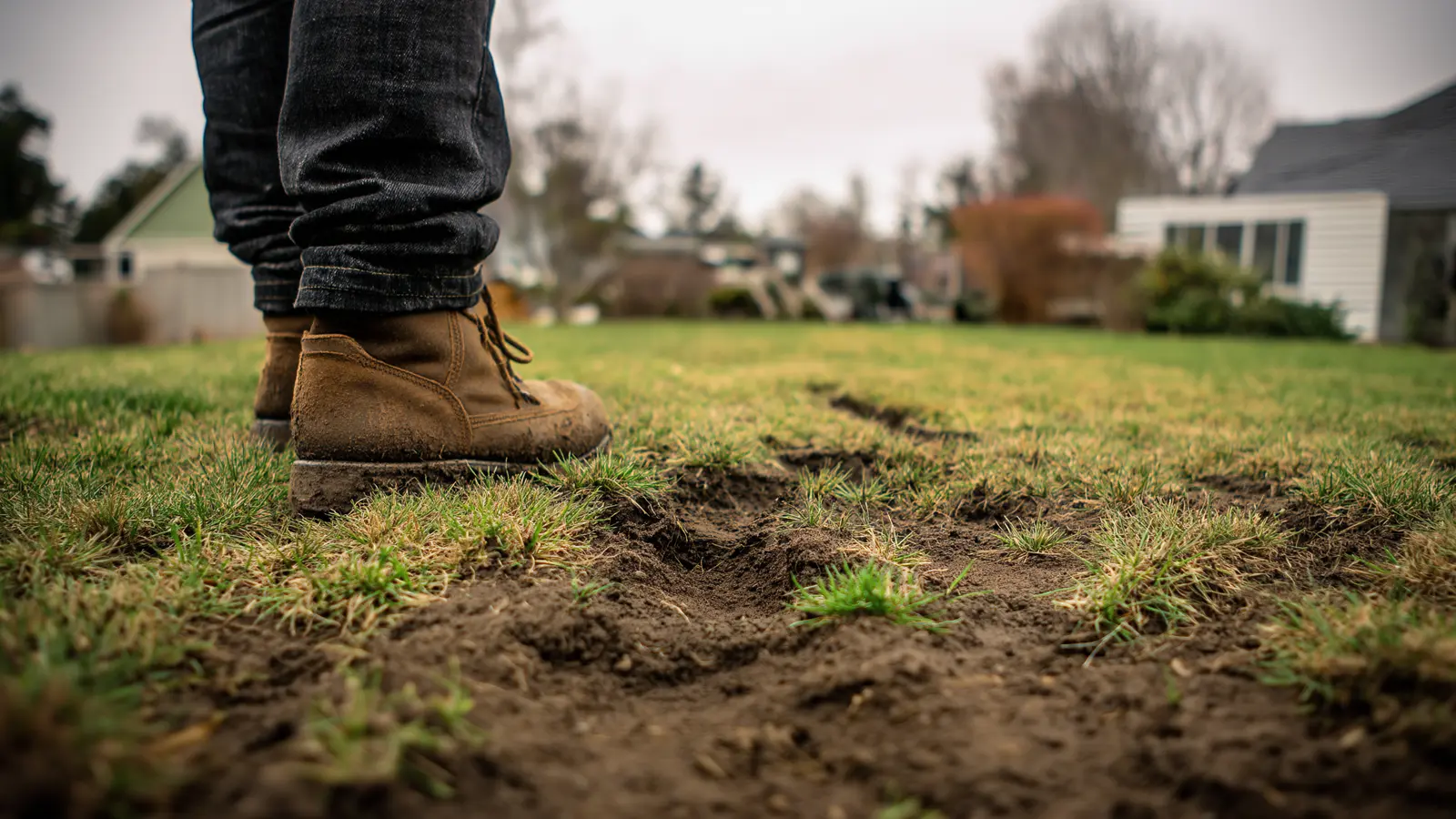
You can often feel this disconnect just by walking the yard. Some areas feel soft underfoot, others hold footprints, and low spots may still feel saturated days after the last rain. These are signs the soil structure hasn’t stabilized yet, even if the lawn looks like it’s waking up. The appearance of growth doesn’t mean the foundation can support it.
Cool-season grasses, which dominate this region, make this even more misleading. In early spring, they push visible top growth before root systems are fully active, creating the illusion of recovery. That early green-up is often supported by a root system that is still rebuilding after winter. Stressing the lawn during this phase weakens development instead of strengthening it.
When lawn care decisions are based on the calendar instead of soil readiness, the results are often delayed rather than immediate. Early mowing, seeding or fertilizing may appear to help at first, but over time, the lawn shows signs of stress, thinning and inconsistency. What looks like progress in March can become a recurring problem by June.
The lawn wasn’t ready, even if it looked like it was.
What Happens When You Work the Lawn Too Early
Once the decision is made to start early, the damage usually begins with physical interaction. Walking the lawn, raking debris, or making that first mow all seem harmless on the surface, but in early spring, those actions carry more weight than most homeowners realize. At this stage, the soil is still holding moisture, and its structure hasn’t stabilized after winter. What feels like light pressure on top can create lasting impact below.
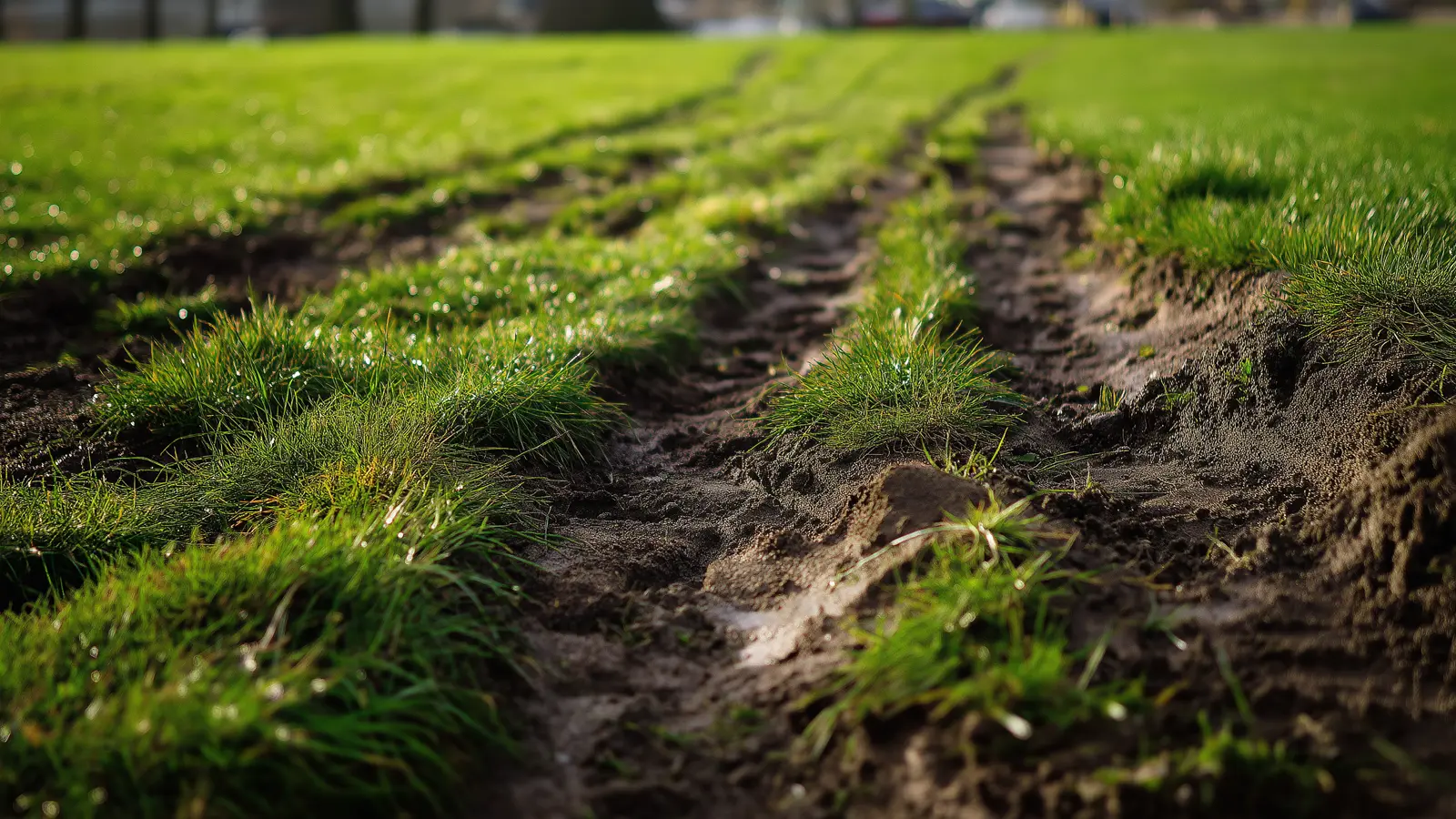
When soil is saturated, it becomes structurally weak. Applying pressure—whether from foot traffic or equipment—compresses the space between soil particles, leading to compacted soil. That compression limits the movement of air, water, and nutrients into the root zone, which directly affects how grass develops. In Northeast Ohio, where clay soils already restrict drainage, this effect is amplified and tends to persist longer into the season.
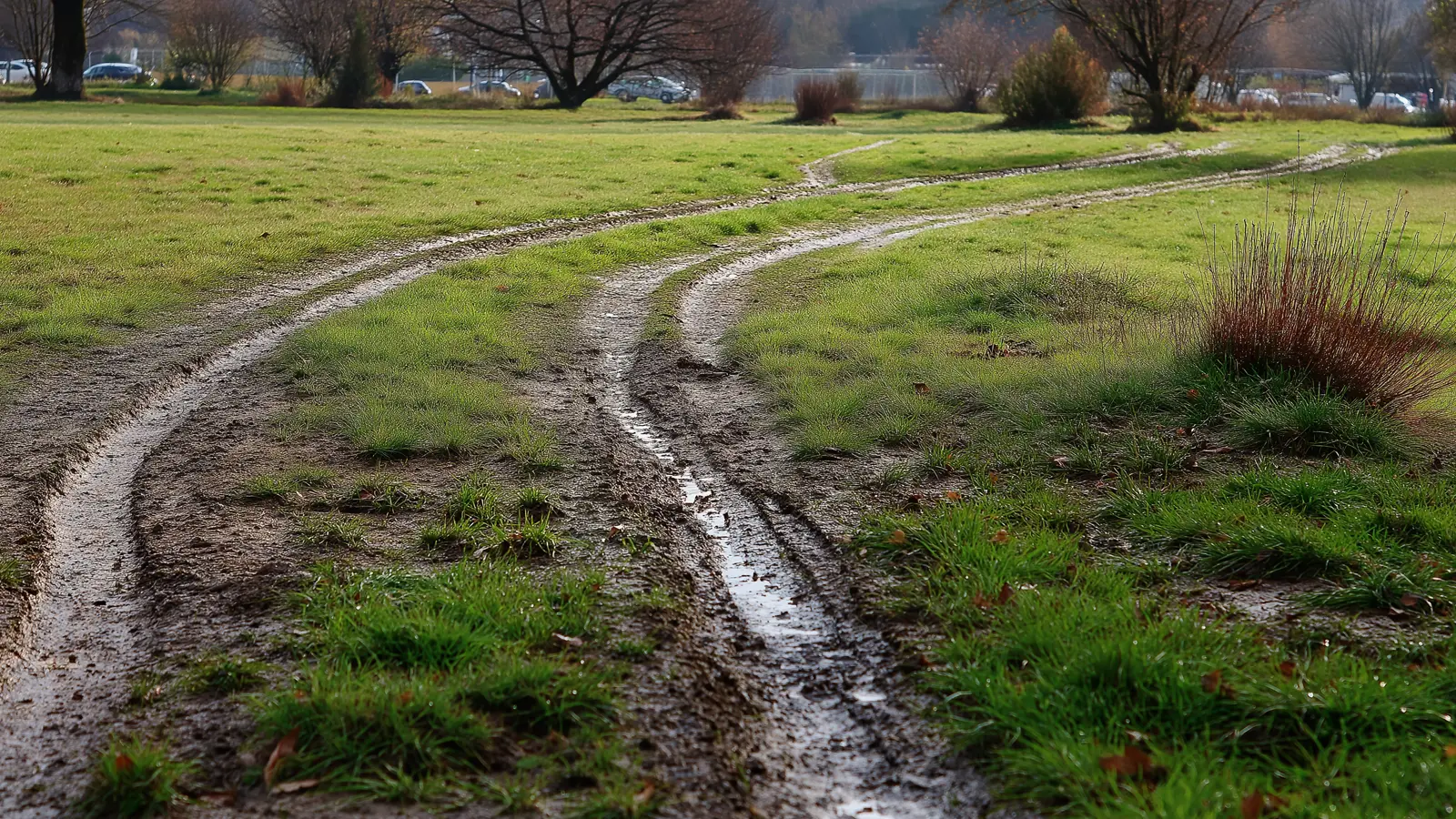
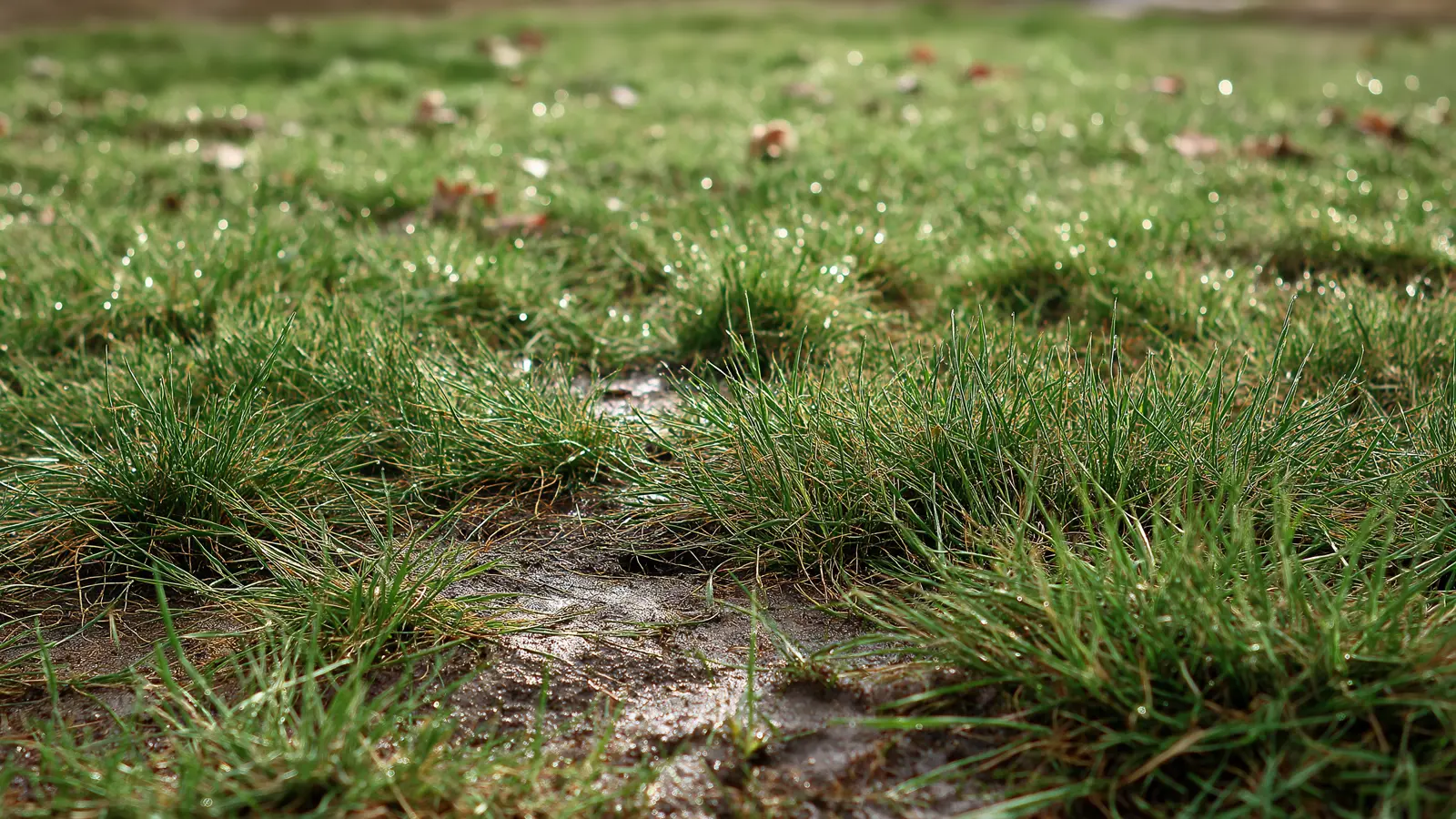
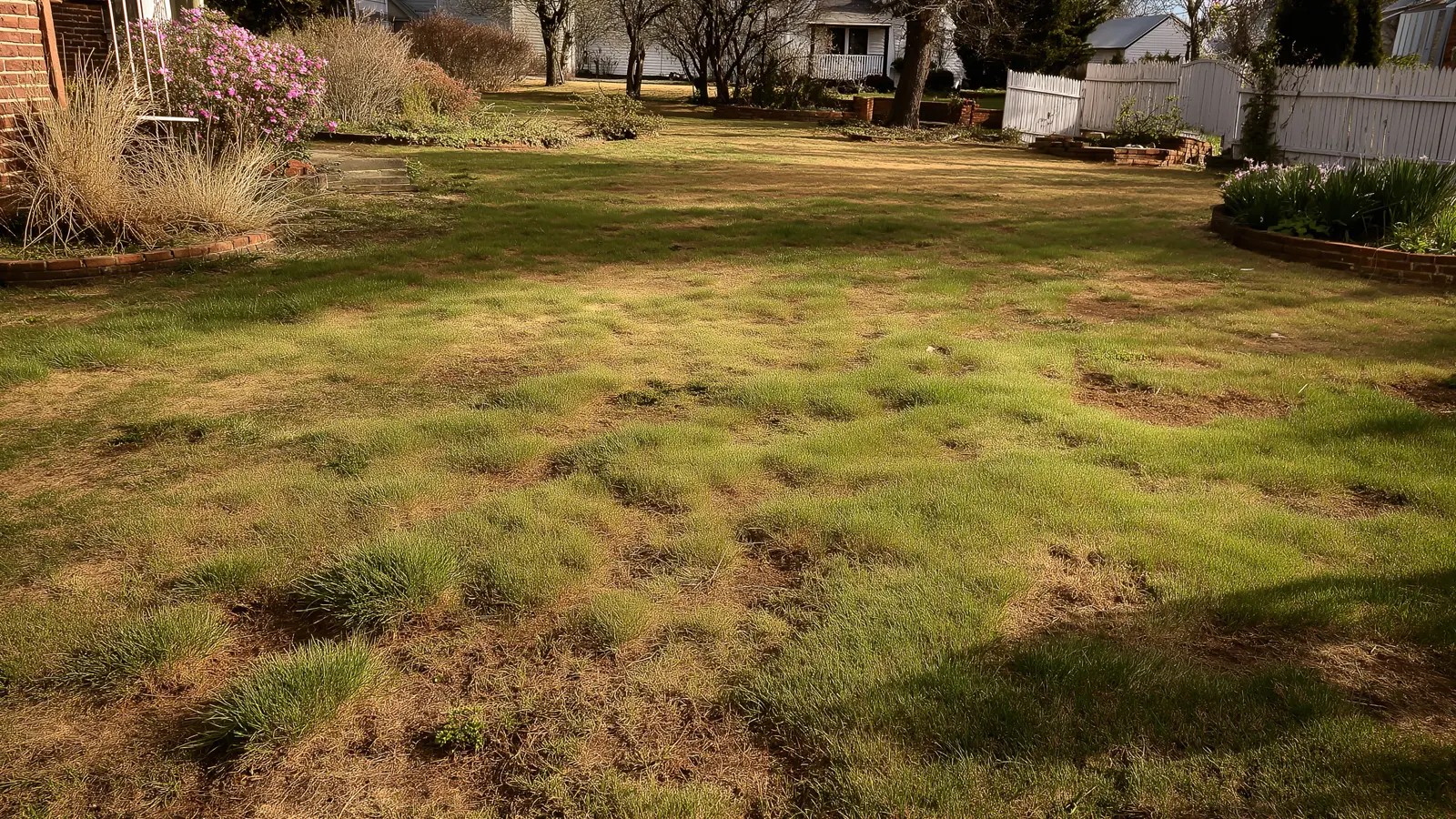
You can usually see this happening if you know what to look for. Footprints that linger after walking, mower tracks that leave shallow ruts or areas that feel soft but never seem to dry out are all early signs of compaction. These aren’t just temporary spring conditions; they often mark the exact spots where the lawn will struggle later in the year.
The effects don’t always show up right away. Many lawns still green up after early activity, which creates the impression that no harm was done. Over time, though, those compacted areas begin to perform differently from the rest of the lawn. They tend to thin out faster, dry unevenly in summer and hold water rather than absorb it after rain.
Early mowing introduces another layer of stress. If the lawn is cut before it’s actively growing or before it reaches a stable height, the grass loses the energy it hasn’t replaced yet. Cutting too short—or using dull mower blades that tear instead of cut—further weakens the plant and increases the risk of disease. What starts as a cosmetic improvement can quietly reduce the lawn’s ability to recover.
Even cleanup can contribute to the problem. Aggressive raking on soft ground can disturb shallow roots and pull at turf that hasn’t fully reestablished after winter dormancy. When the soil is firm, these same actions support healthy growth. When it isn’t, they create limitations that follow the lawn through the rest of the growing season.
In early spring, the condition of the soil determines whether your efforts move the lawn forward or hold it back.
Why Early “Fixes” Like Seeding and Fertilizing Backfire
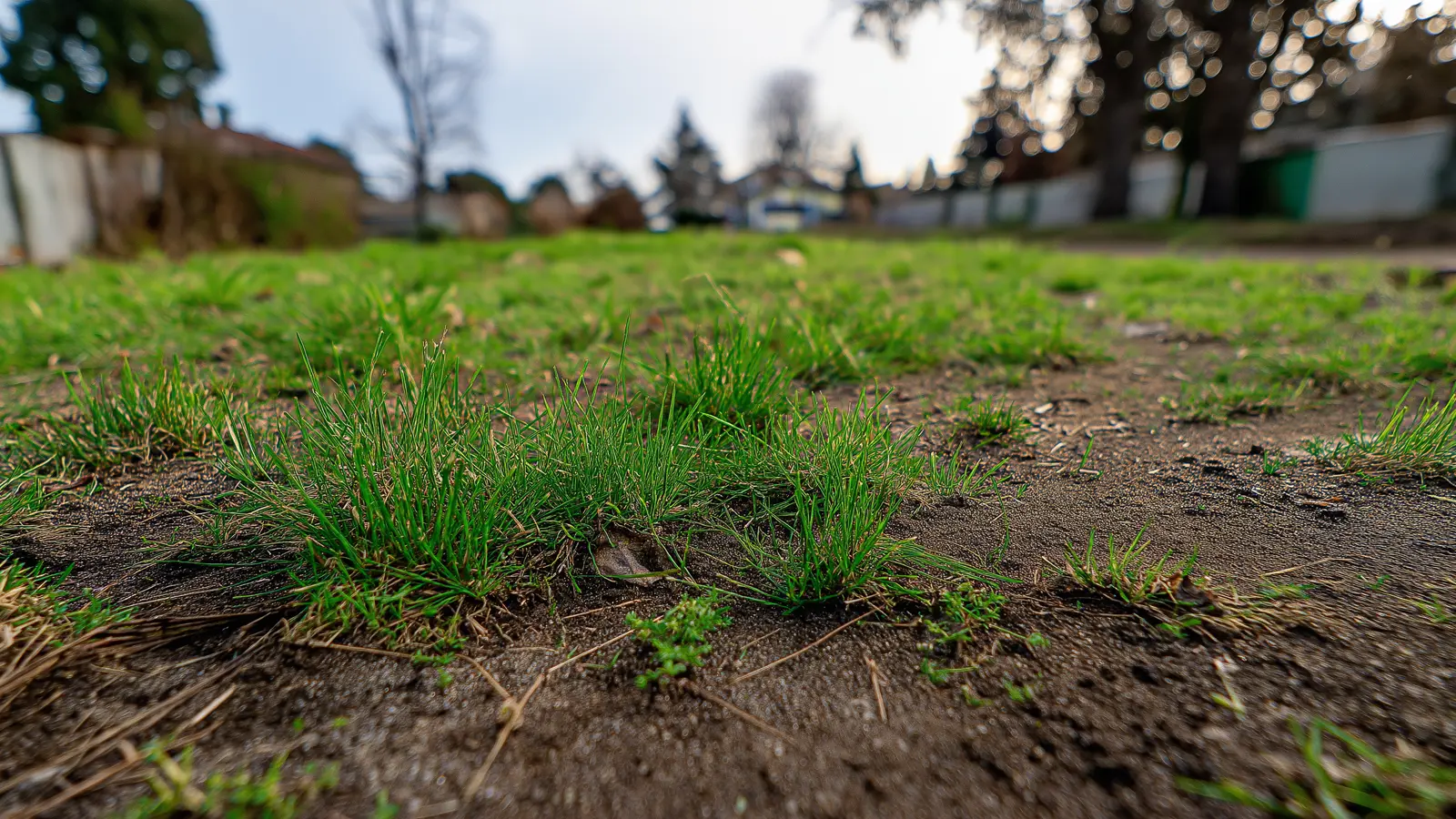
After a long winter, the instinct is to fix what looks damaged. Thin areas, bare spots and uneven color all point to the same conclusion: the lawn needs help. Seeding and fertilizing feel like the fastest way to bring it back. In early spring, though, those fixes often produce inconsistent results because the conditions aren’t ready to support them.
Seeding is the most common example. Grass seed depends on stable soil temperatures, consistent moisture and good seed-to-soil contact to germinate properly. Early spring rarely delivers all three at once, especially in Northeast Ohio, where the ground is often still wet and temperatures fluctuate. Seed can shift with rain, settle unevenly or germinate inconsistently, which is why early seeding often results in patchy growth that fades within a few weeks.
There’s also a conflict that tends to catch homeowners off guard. Applying a pre-emergent herbicide to prevent weeds like crabgrass will also prevent grass seed from germinating. In practice, this often looks like a lawn where weeds are reduced, but new grass never fills in or appears only in scattered areas. Trying to do both at once usually leads to frustration rather than improvement.
Fertilizing too early creates a different kind of imbalance. Cool-season grasses naturally push top growth in early spring, even while root systems are still developing. Adding fertilizer at this stage accelerates the top growth without strengthening the root system underneath it. The lawn may green up quickly, but that growth is shallow and less stable.
This is where many lawns start to decline later in the season. Early fertilization often leads to grass that looks strong in April but struggles in June when temperatures rise and moisture becomes less consistent. The root system never fully catches up, and the lawn becomes more vulnerable to stress, drought and disease.
Both seeding and fertilizing assume the lawn is ready to respond. In early spring, that’s often not the case.
The Drainage Problems Spring Is Trying to Show You
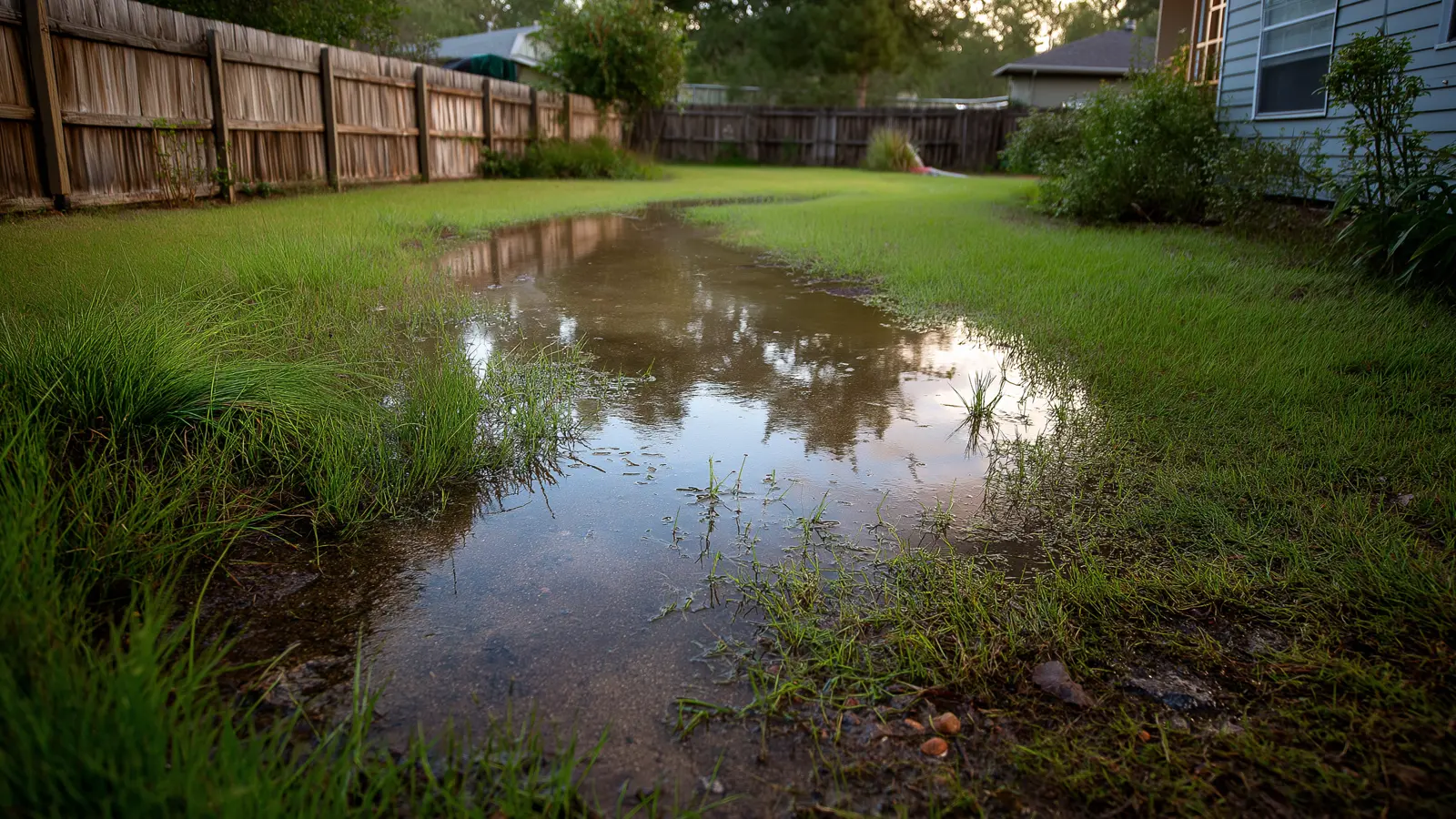
Early spring is when your yard reveals how water actually moves through it. After snowmelt and seasonal rain, the soil is at or near saturation, which makes problem areas easier to identify. What might go unnoticed during drier months becomes obvious now. The lawn isn’t just waking up—it’s showing you where the system isn’t working.
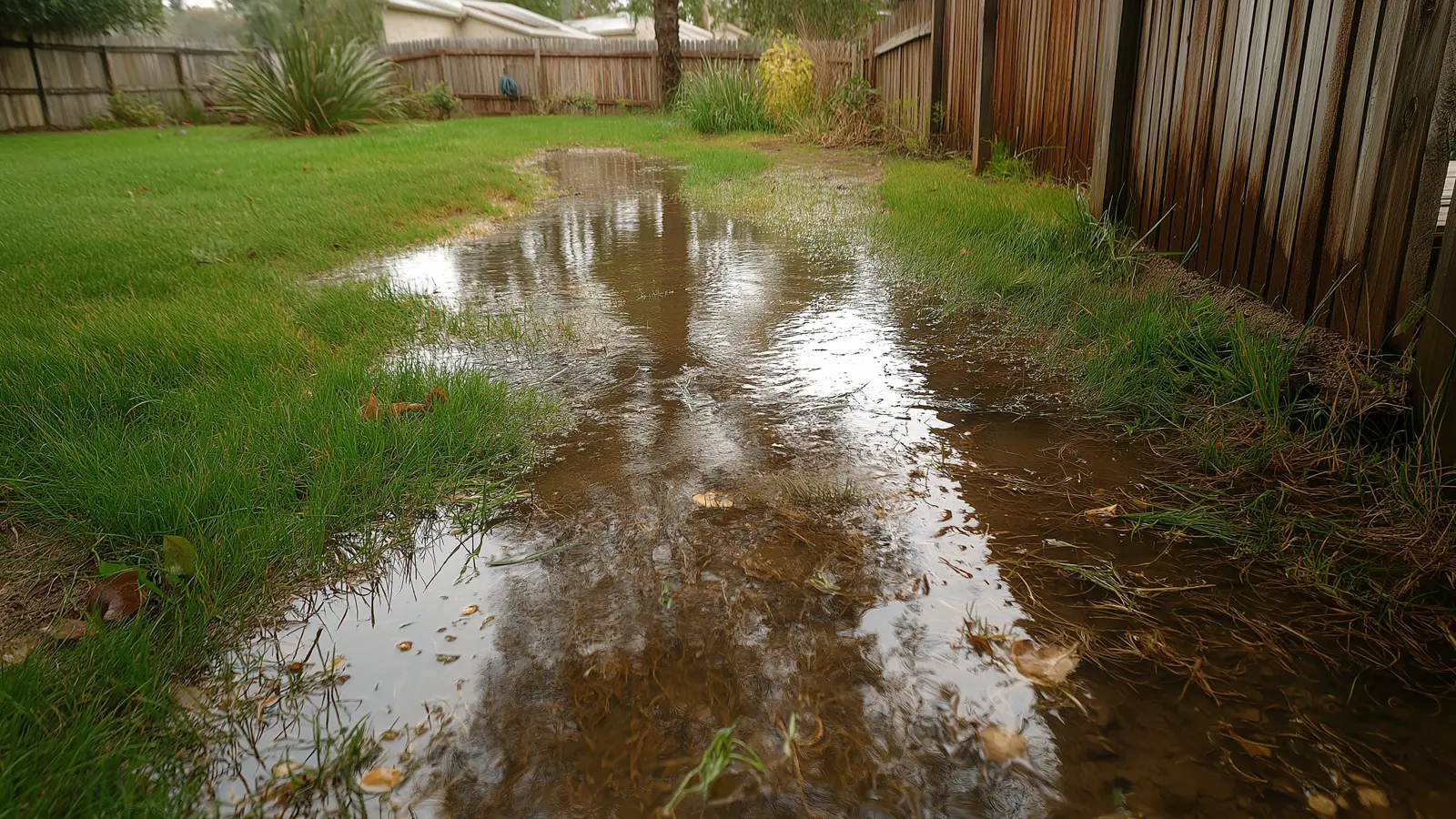
You can usually spot these areas without much effort. Water may sit for a day or more after rain, certain sections feel soft or spongy underfoot, and some parts of the yard dry out far more slowly than others. In more severe cases, you’ll see standing water collecting in low spots or along edges where grading directs runoff. These patterns tend to repeat in the same locations year after year.
In Northeast Ohio, this is often tied to clay-heavy soil and compaction. Clay slows water movement, and when the soil structure is disrupted by winter freeze–thaw cycles, drainage becomes even more uneven. Some areas retain excess moisture while others shed it more effectively, creating inconsistent growing conditions across the lawn. The result is a yard that never behaves uniformly, even with consistent care.
The mistake is assuming these conditions are temporary. Many homeowners respond by treating what they see on the surface—adding seed to thin areas, bringing in topsoil to level low spots or waiting for warmer weather to dry things out. In some cases, the lawn improves briefly, but the underlying issue remains unchanged.
When drainage is poor, the root zone stays oxygen-deprived. Grass roots require both water and air to function properly, and saturated soil limits that balance. Over time, this leads to weaker growth, reduced density and a higher risk of disease. These areas often follow a predictable pattern: greening up more slowly in spring, thinning out more quickly in summer and requiring repeated repairs that never fully last.
What spring reveals is not just where the lawn looks weak but where the system underneath needs attention.
The Tradeoffs Most Homeowners Don’t Realize
Even when timing improves, early spring lawn care still involves decisions that don’t work well together. This is where frustration starts to build because it can feel like doing one thing correctly creates a new problem elsewhere. The issue isn’t that these actions are wrong on their own; it’s that they compete with each other when conditions are still limited.
The most common example is the conflict between pre-emergent herbicides and grass seed. Applying a pre-emergent herbicide at the right time—when soil temperatures approach 50–55°F—prevents weed seeds like crabgrass from germinating. It also prevents new grass seed from establishing itself, as it blocks all seed growth in the soil. In practice, this often leads to a lawn where weeds are reduced, but bare or thin areas never fill in.
That tradeoff becomes more noticeable when trying to fix visible damage. A homeowner might seed early to repair winter stress, then apply pre-emergent to control weeds, only to find that the seed never takes hold. The effort isn’t wasted because of poor products or technique. It fails because both actions require opposite conditions to succeed.
Mowing creates a similar tension. Cutting the lawn early can make it look cleaner and more controlled, especially after a long winter. But if the grass isn’t actively growing yet, mowing removes energy the plant hasn’t replaced. Following the one-third rule and waiting for the lawn to reach a stable height protects the root system, while cutting too soon weakens it before recovery is complete.
Watering introduces another layer of conflict. As temperatures rise, it’s easy to assume the lawn needs additional moisture to support growth. In early spring, though, natural rainfall is often already sufficient, and the soil may still be holding excess water. Adding more reduces oxygen in the root zone and encourages shallow root systems instead of deeper development.
Individually, each of these actions makes sense. Together, they compete for timing, soil conditions and plant energy.
Understanding these tradeoffs changes how decisions get made. Instead of trying to do everything at once, the focus shifts to sequencing actions based on conditions. When timing aligns with how the lawn actually functions, each step supports the next instead of working against it.
A Better Way to Approach Early Spring
Avoiding early-spring lawn-care mistakes doesn’t come down to doing more. It comes down to making fewer, better-timed decisions. Most of the issues that show up later in the season begin with actions taken when the lawn wasn’t ready to support them. Shifting that approach starts with slowing down and paying closer attention to conditions.
The first step is understanding what soil readiness actually looks like. The ground should feel firm underfoot, not soft or spongy, and walking across it shouldn’t leave visible footprints. Areas that stay wet days after rainfall or feel uneven in firmness are still holding too much moisture. Until those conditions stabilize, most lawn care actions create more problems than they solve.
Observation becomes more valuable than action during this stage. Instead of rushing into mowing, seeding or treatments, take time to notice patterns across the yard. Which areas dry out first, and which stay saturated? Is growth consistent, or are some sections lagging behind? These differences often point to underlying soil or drainage issues that need to be understood before anything is applied on the surface.
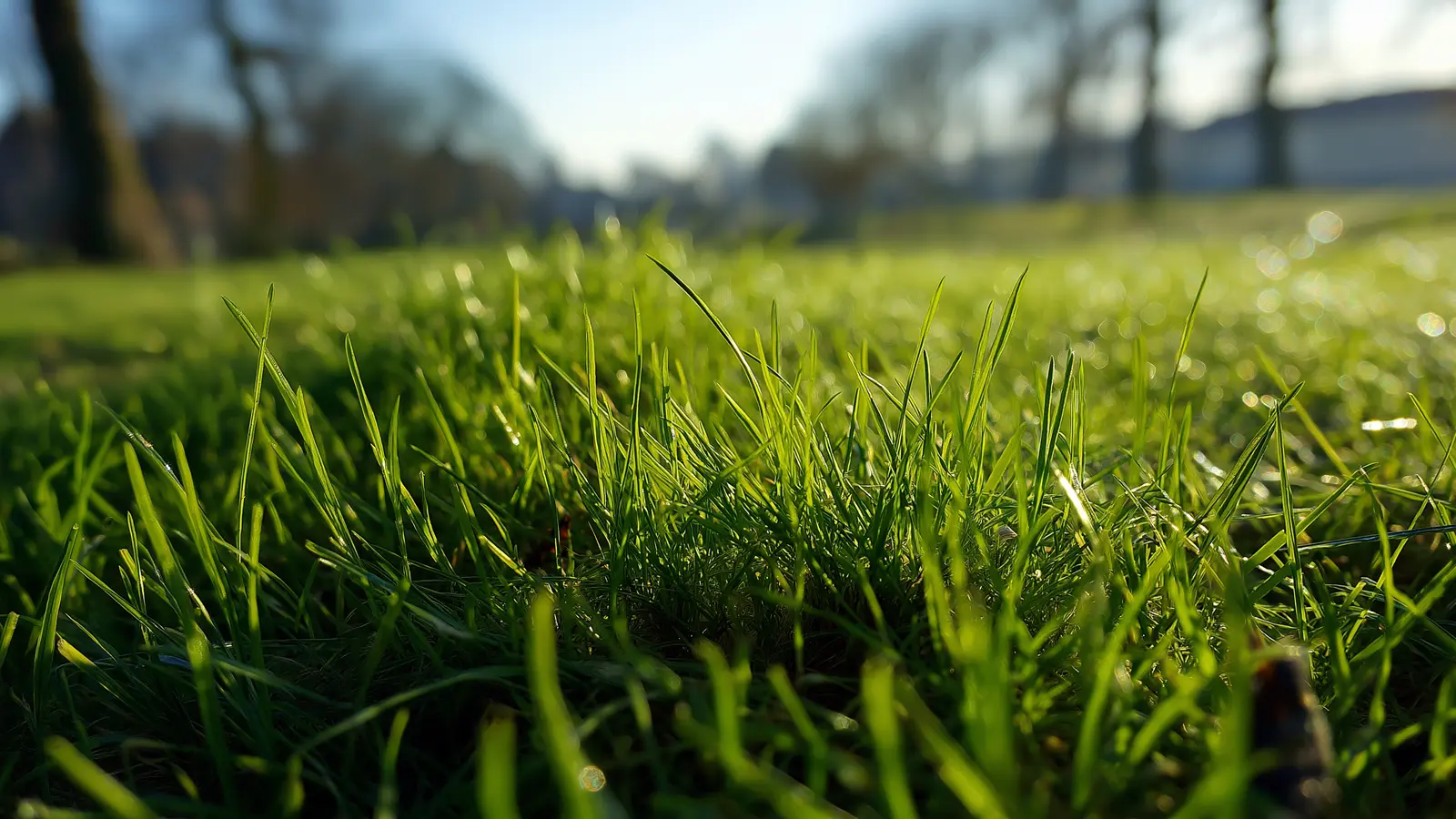
Once the soil firms up and growth becomes more consistent, the same actions that fail early begin to work the way they should. Mowing supports density, fertilizing strengthens development, and seeding has a much higher chance of establishing evenly. Timing aligns with how the lawn is actually functioning, rather than forcing progress based on the calendar.
The goal in early spring isn’t to push the lawn forward. It’s to avoid setting it back.
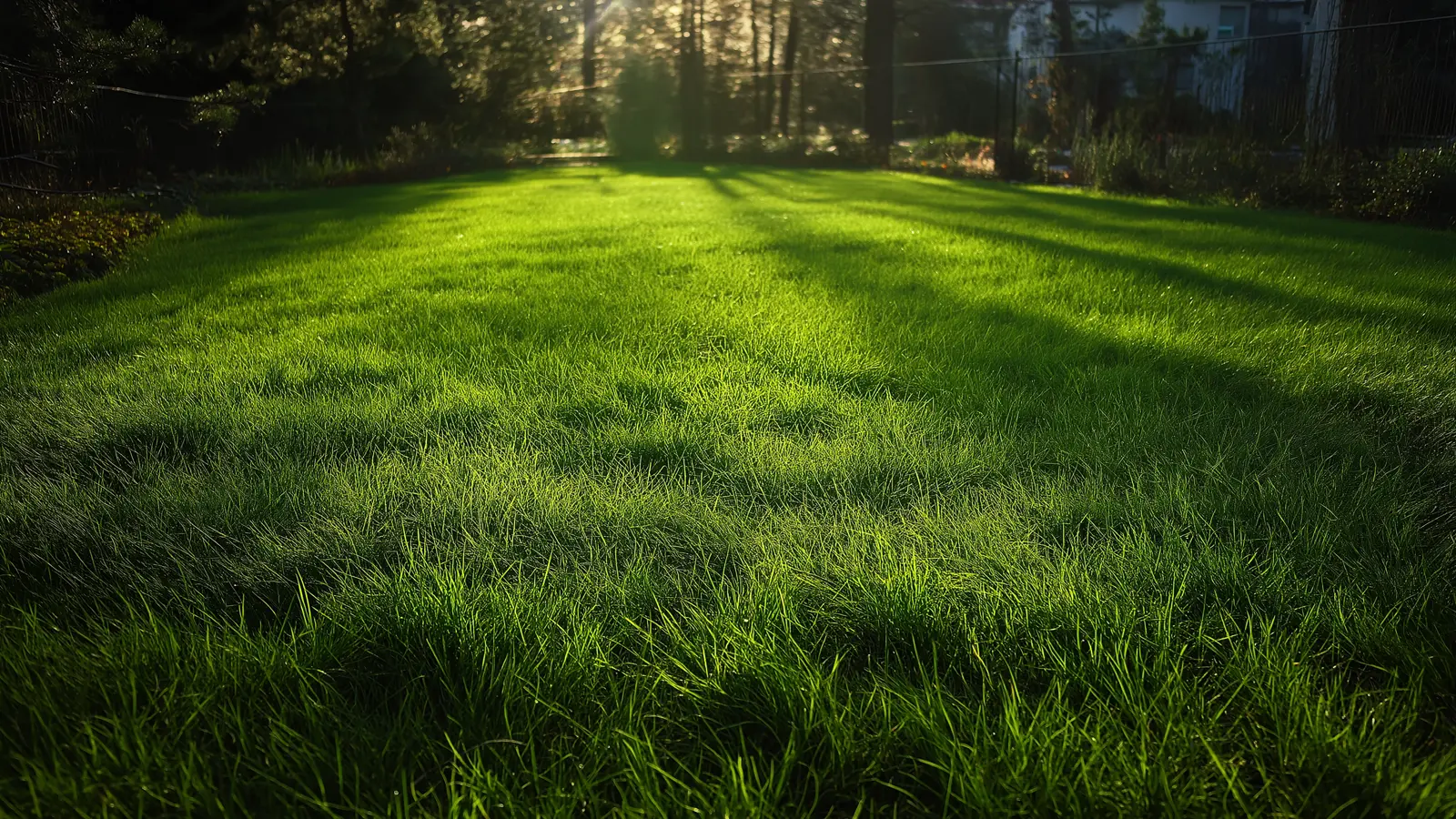
When decisions are based on conditions rather than urgency, the lawn develops more evenly, roots grow more deeply, and the results last longer throughout the rest of the growing season.


The Lawn You Have in Summer Is Decided in Spring
By the time problems show up in summer—thin areas, drought stress or patchy growth—the cause is rarely something recent. In most cases, it traces back to early spring, when the lawn was pushed before it was ready. The effects don’t always appear right away, which is why they’re often overlooked. What looks like progress early in the season can quietly shape how the lawn performs months later.
That’s what makes early spring such a critical window. The decisions made during this time influence how roots develop, how soil functions and how well the lawn can handle stress. Acting too soon may not seem harmful in the moment, but it often limits the lawn’s ability to recover and strengthen as conditions change. Once those limitations are in place, they’re difficult to reverse mid-season.
In Northeast Ohio, where clay soil and seasonal moisture create additional challenges, timing becomes even more important. Lawns don’t respond evenly, and small differences in soil conditions can lead to noticeably different outcomes across the same yard. Recognizing those patterns early allows for better decisions and more consistent results.
A healthy lawn isn’t created by reacting to what’s visible on the surface. It’s built by understanding what’s happening below it and adjusting your timing accordingly. When the soil is ready, the same actions that fail early begin to support real, lasting growth.
The difference is knowing when to act—and when to wait.