
Why Your Lawn Looks Worse in March Than It Did in Winter
What early spring conditions are revealing about your soil, drainage and long-term lawn performance.
By the time March arrives, most homeowners expect their lawns to start improving. The snow has melted, temperatures are rising, and it feels like the growing season is near. However, instead of looking better, the lawn often appears worse. Patchy color, soft ground, standing water and uneven growth tend to show up all at once.
It’s easy to assume something went wrong, but in reality, this is one of the most revealing times of the year.
Early spring doesn’t create new problems; it reveals those that already existed. Conditions that were hidden during winter—such as soil saturation, compaction, drainage issues and root stress—become visible as the ground begins to thaw and the lawn comes out of dormancy.
This is what makes March feel confusing. The instinct is to fix what you see immediately, but most of what appears during this period isn’t ready to be fixed. It needs to be understood first.
This article explains what your lawn is really telling you in early spring, why it often looks worse before it gets better and how to use this time to make better decisions for the rest of the season.
What Winter Was Hiding
For most of winter, your lawn isn’t getting better, but it also isn’t showing many signs of trouble.
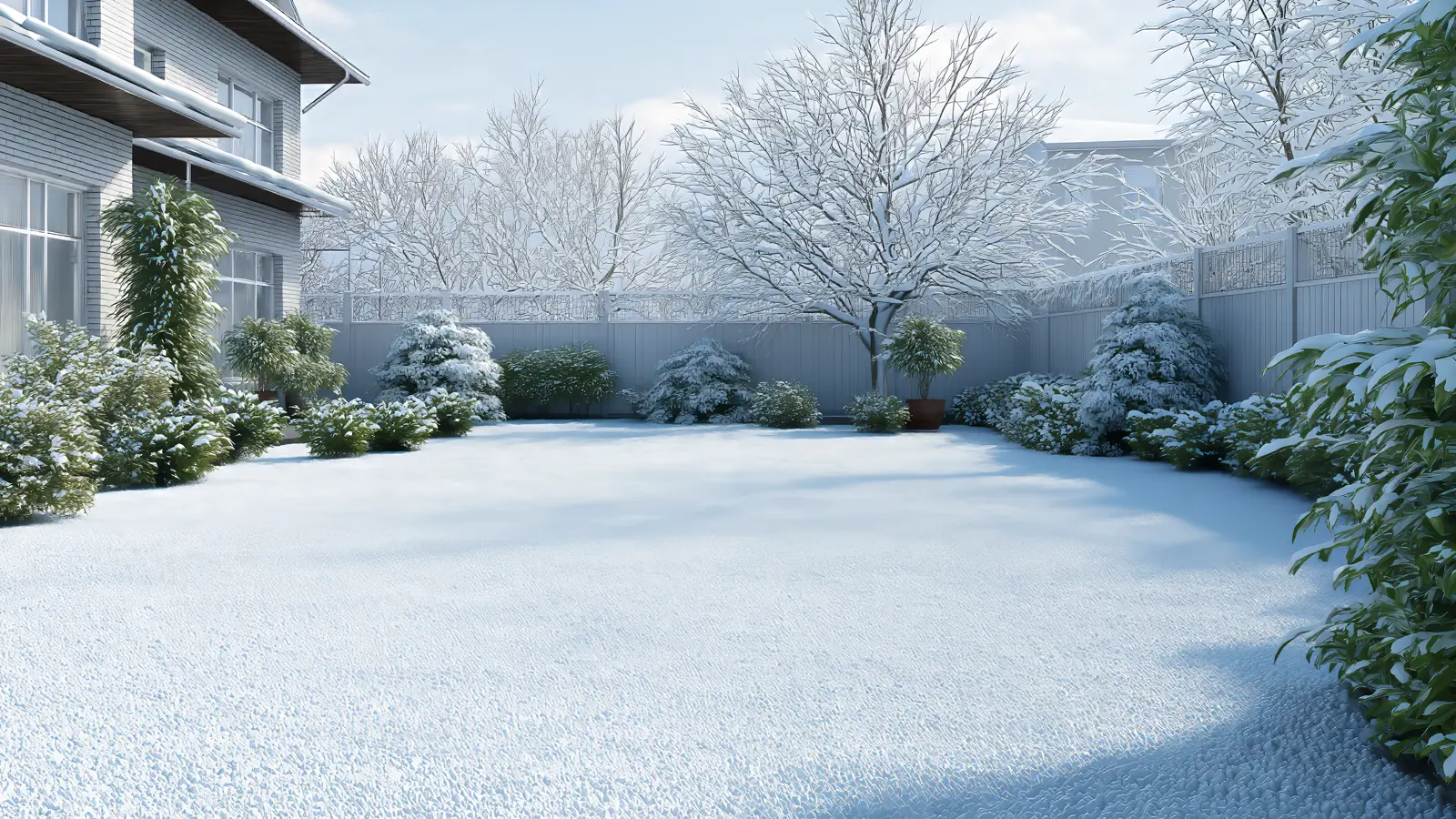
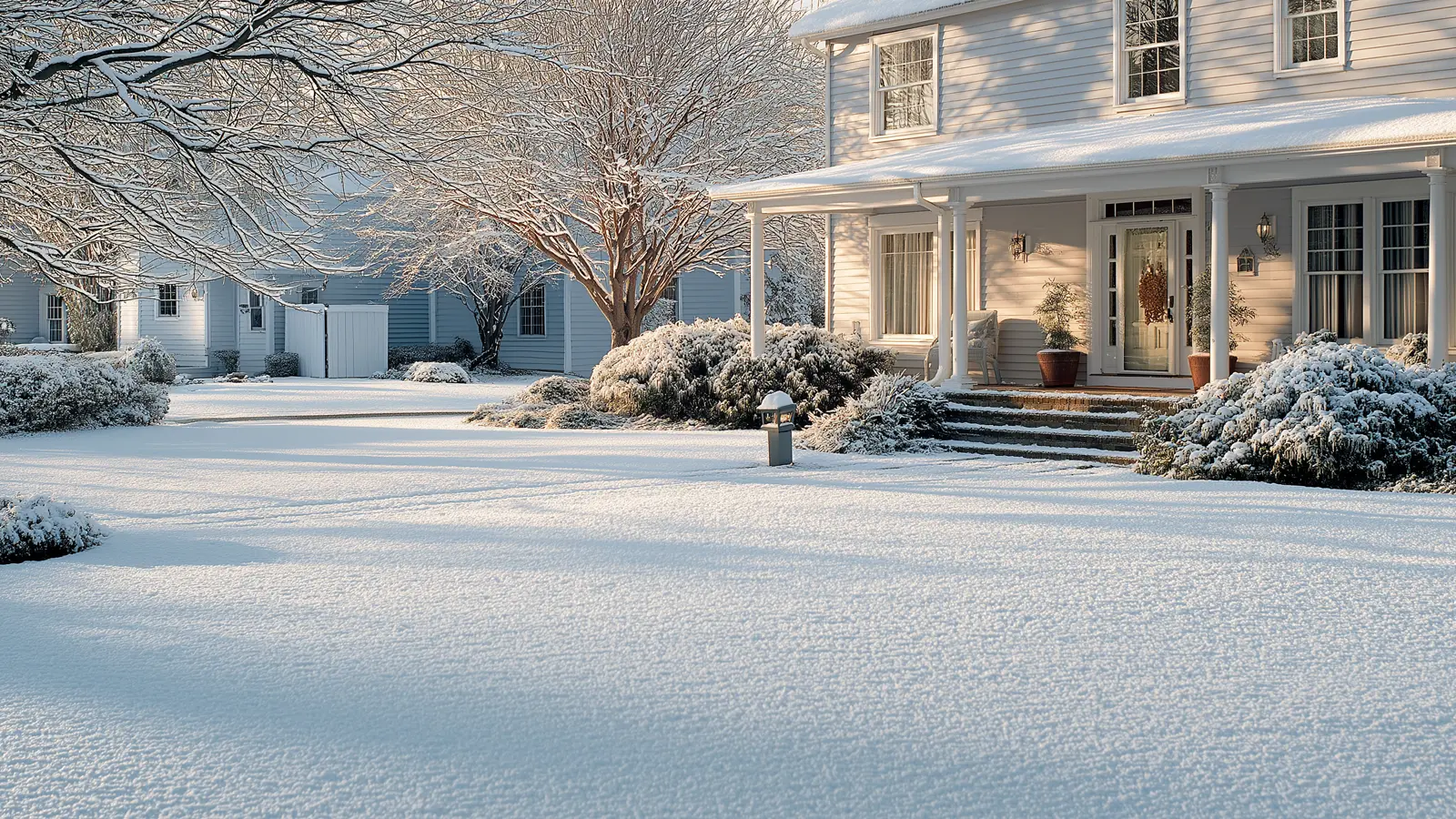
Snow cover creates a false sense of stability by insulating the ground and hiding visual flaws. From above, everything looks dormant and relatively even, leading one to assume the landscape is just on hold until spring.
In reality, winter is one of the busiest times for your soil. As temperatures rise and fall, the ground repeatedly expands and contracts, and moisture moves through it, freezing, thawing and shifting its structure along the way. In Northeast Ohio, where clay-rich soils are common, these effects are even stronger. Clay retains water longer, drains more slowly and reacts more intensely to temperature changes, affecting how the soil behaves before new growth starts.
Meanwhile, the root system is under pressure. Saturated soil can cut off oxygen, while freeze–thaw cycles can break up the soil around the roots. None of this is immediately visible because growth has halted, and the surface looks consistent enough to hide what’s happening underground.
That’s why many lawns seem fine in winter. The issues that could weaken them aren’t obvious yet. By the time snow melts and temperatures rise, those problems are already happening. What you see in early spring isn’t new damage; it’s the first clear sign of what’s been going on underneath all along.
What March Reveals
As the ground begins to thaw, the lawn doesn’t suddenly decline; it simply becomes visible.
March marks the time when hidden conditions start translating into patterns you can actually see. The uniform surface from winter gives way to variation, with some areas beginning to green up while others lag behind, and certain sections appearing thinner, wetter or more uneven. What seems like a sudden drop in quality is actually a shift in visibility, not a change in condition.
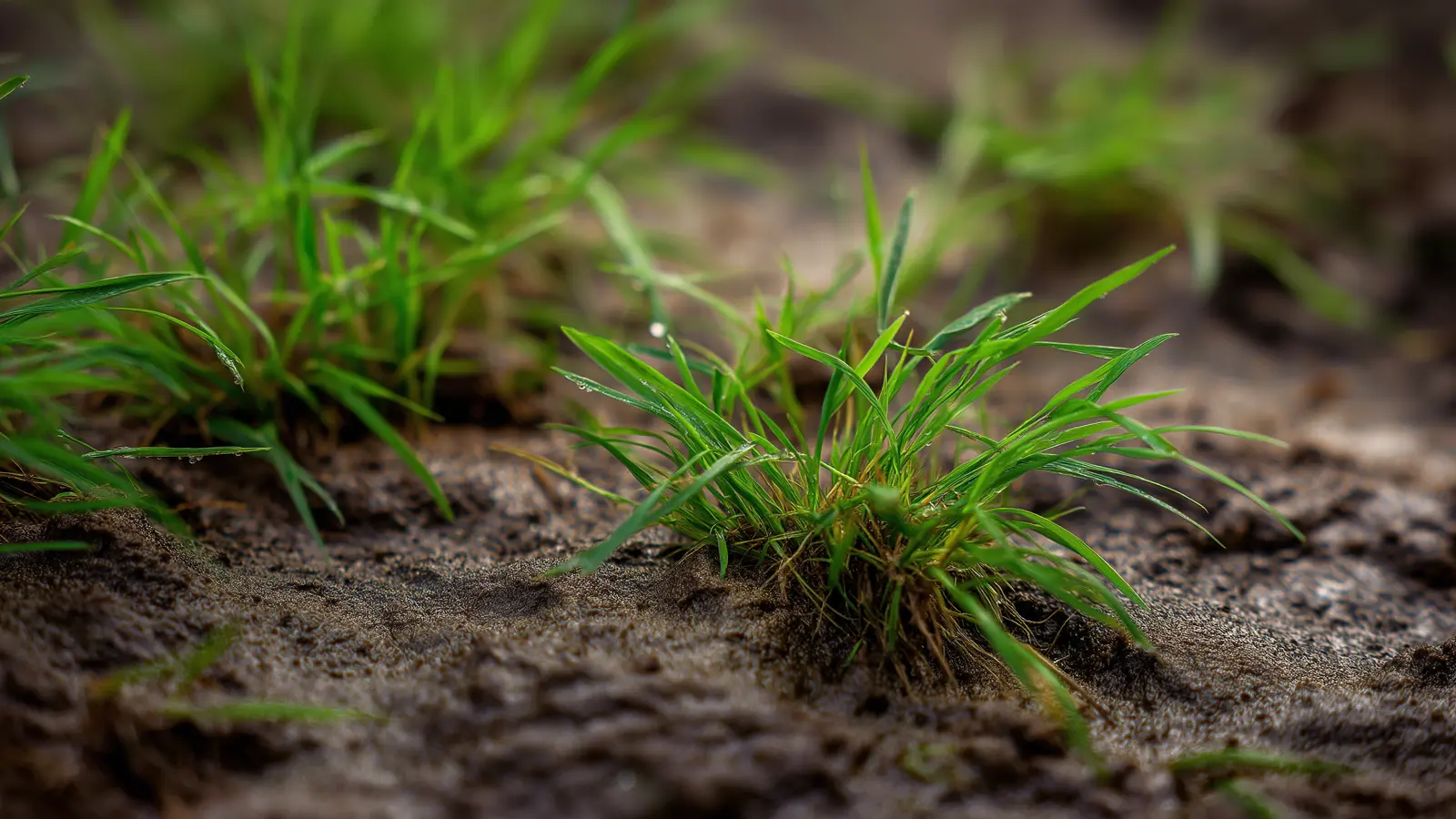
This shift often shows up as inconsistency. Areas that drain well tend to recover faster, while sections that retain moisture stay darker, softer and slower to respond. The result is a patchwork across the lawn, where growth varies not because of what’s happening now but because of how the soil has been functioning beneath the surface.
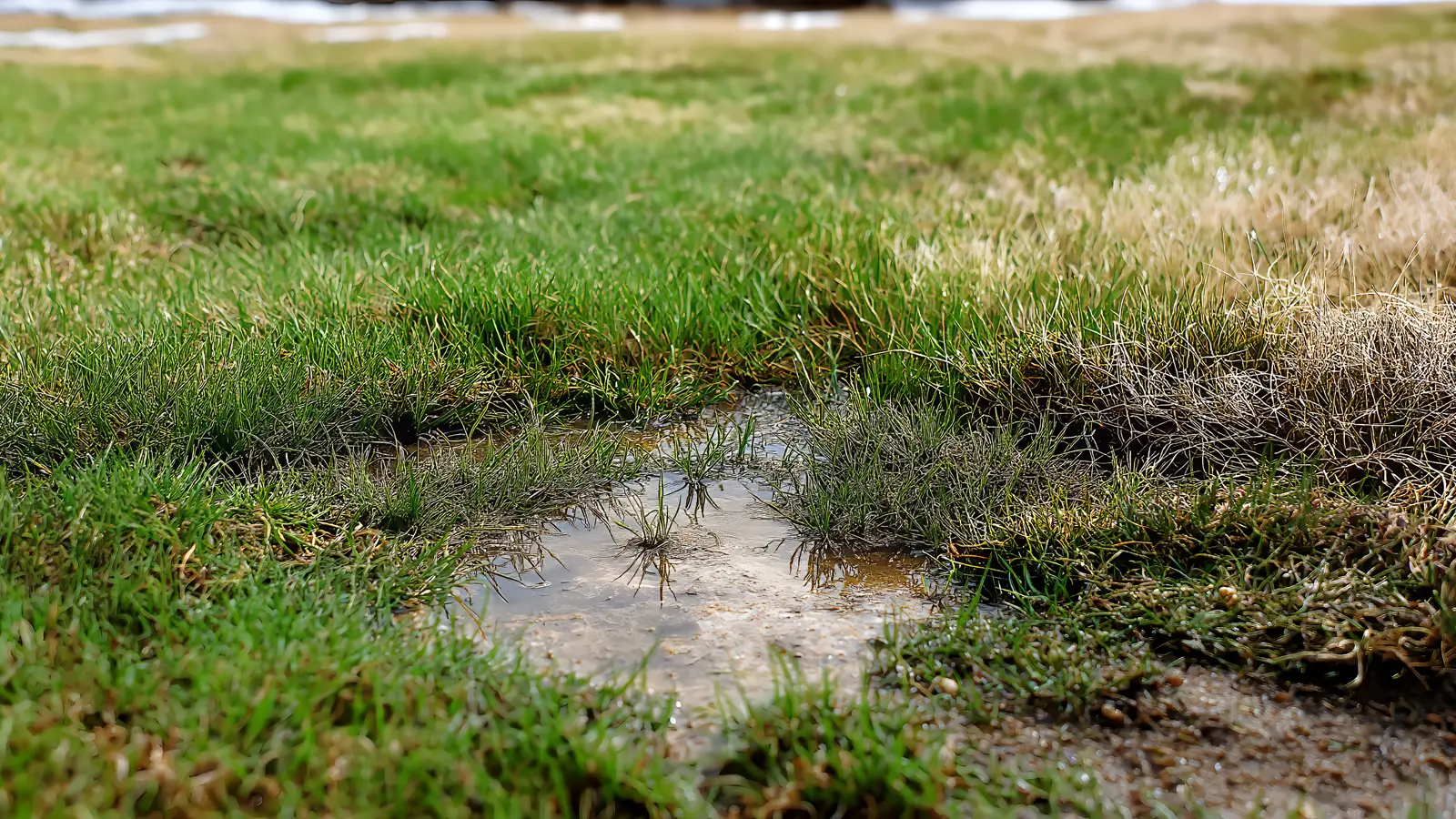
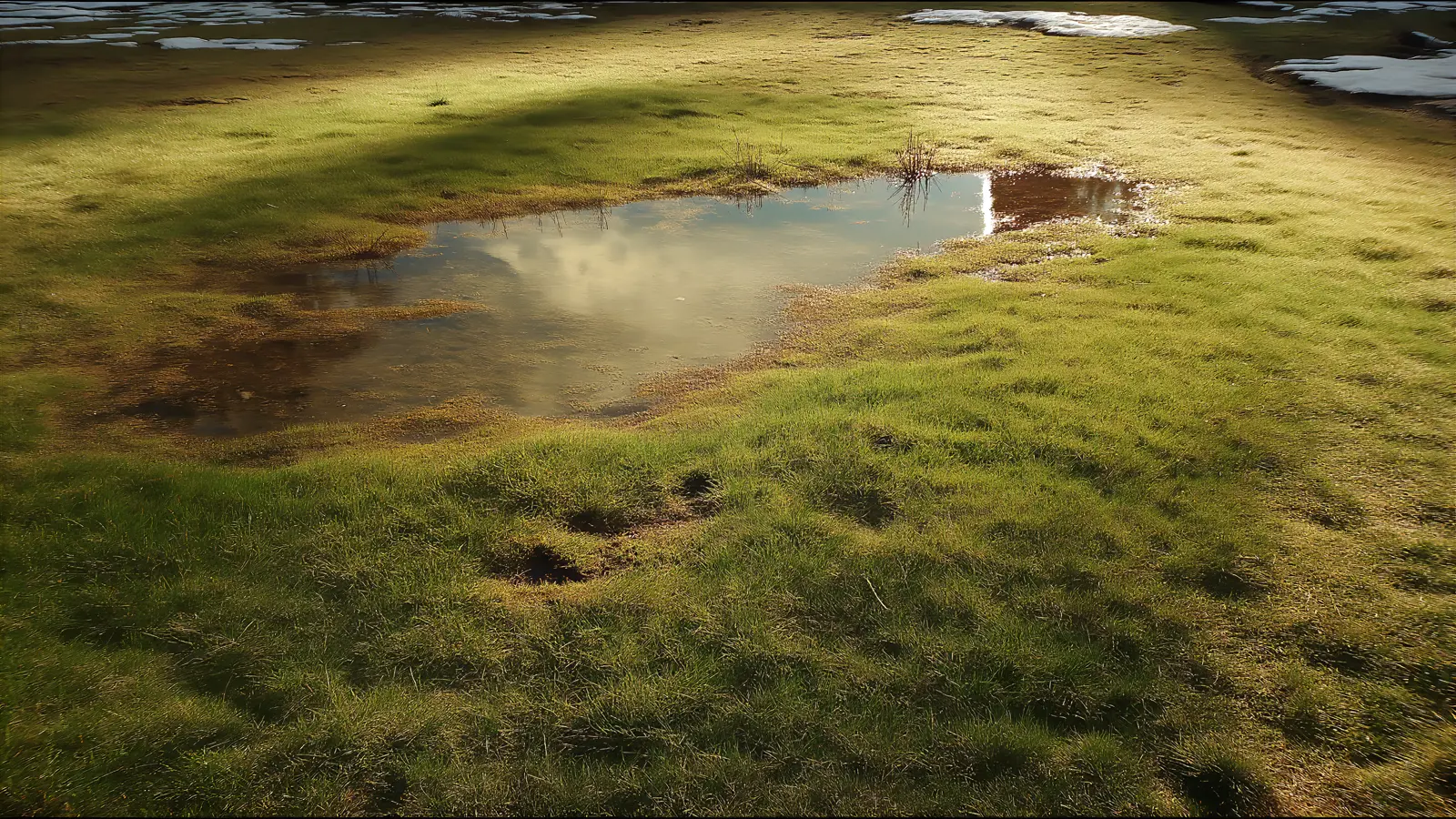
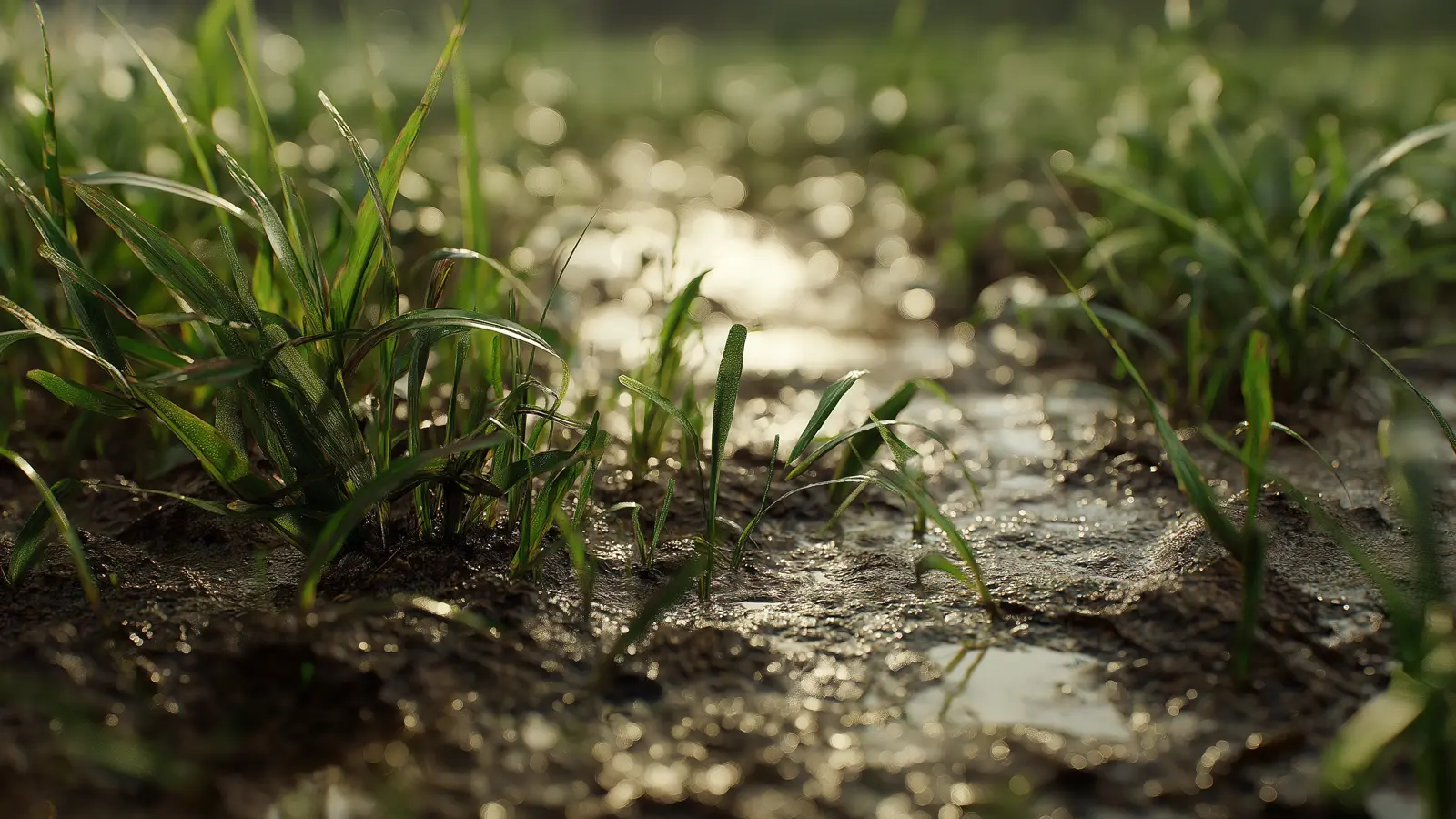
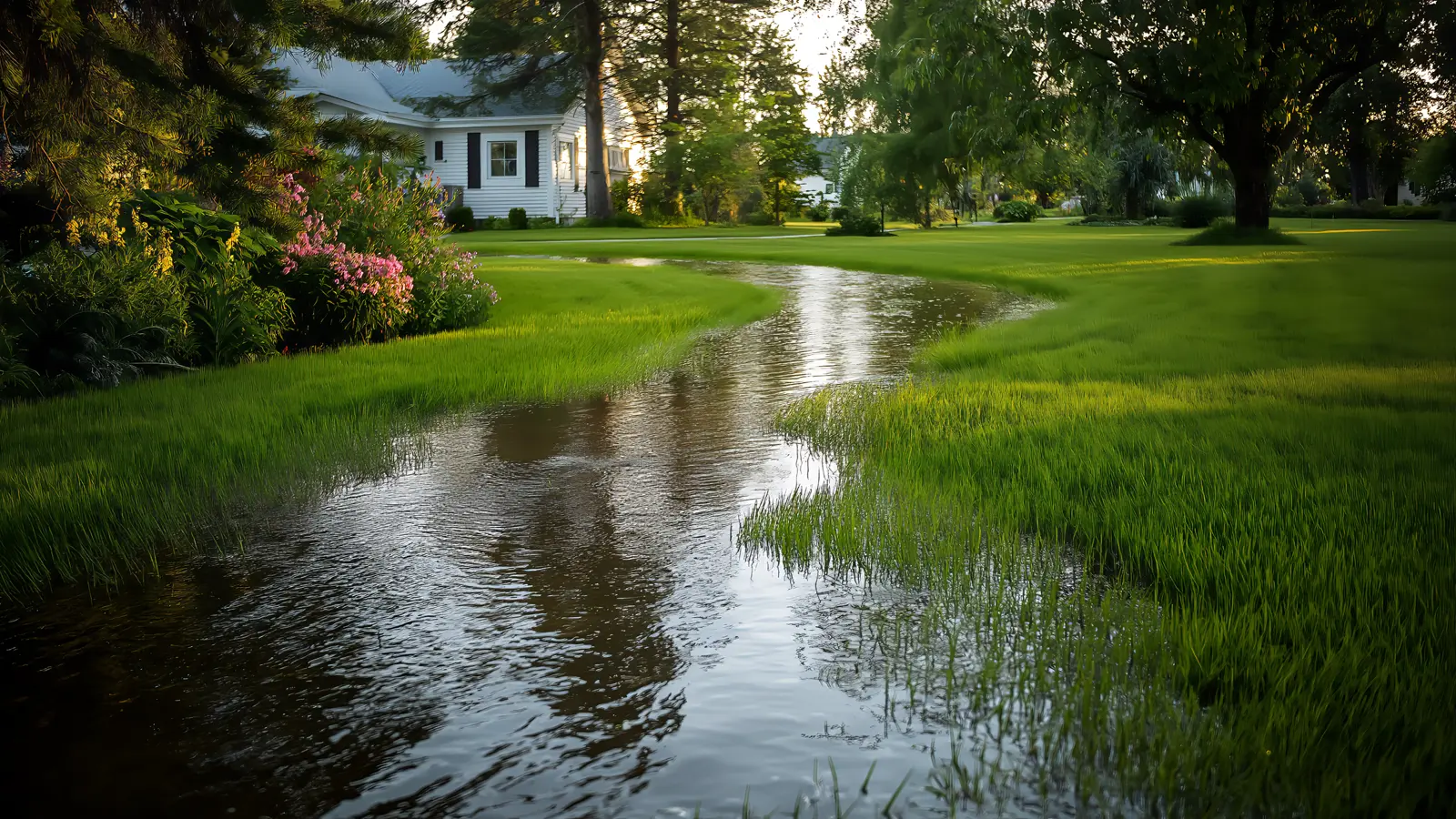
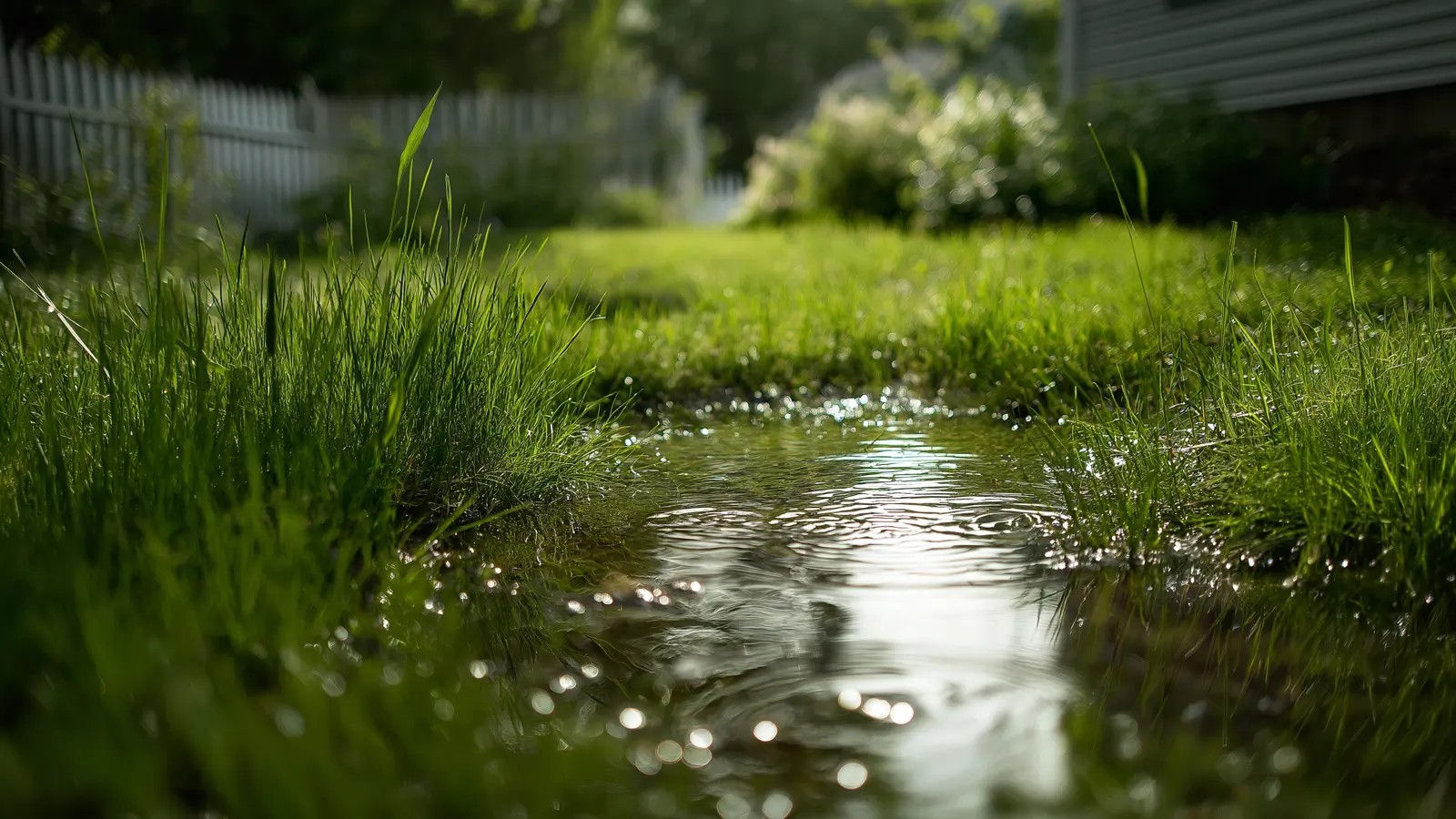
Water movement also becomes easier to observe during this time. After snowmelt or early spring rain, patterns start to emerge that aren’t visible during drier months. Water collects in the same low spots, lingers longer than expected or moves in consistent paths across the yard. These patterns aren’t temporary; they reflect how your property handles water under stress, which will similarly influence the lawn throughout the year.
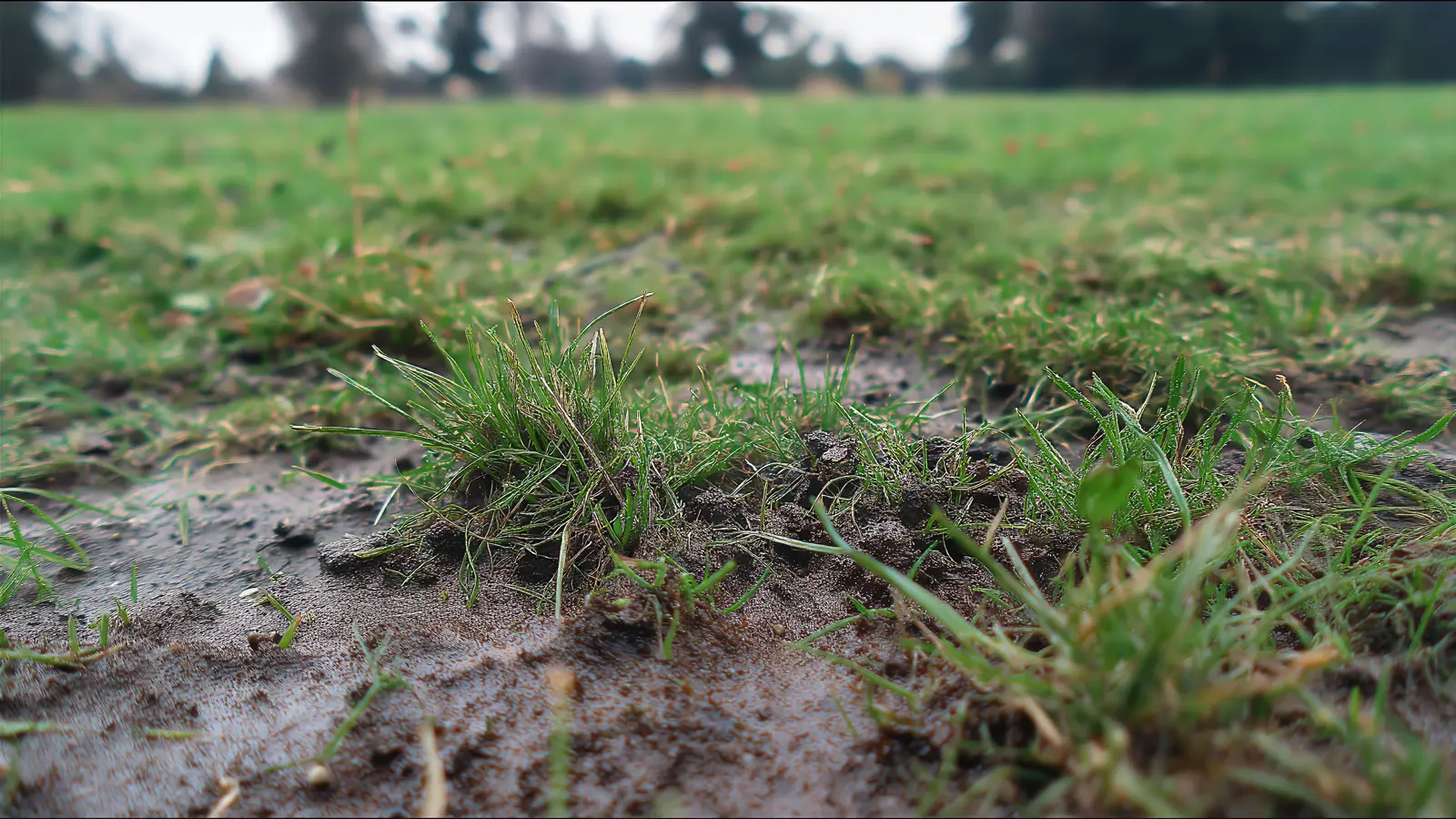
At the same time, differences in soil structure begin to show. Some areas feel firm and dry out quickly, while others remain soft or spongy underfoot even days after precipitation. These variations are usually tied to compaction, soil composition and moisture retention— all of which affect how uniformly the lawn can grow.
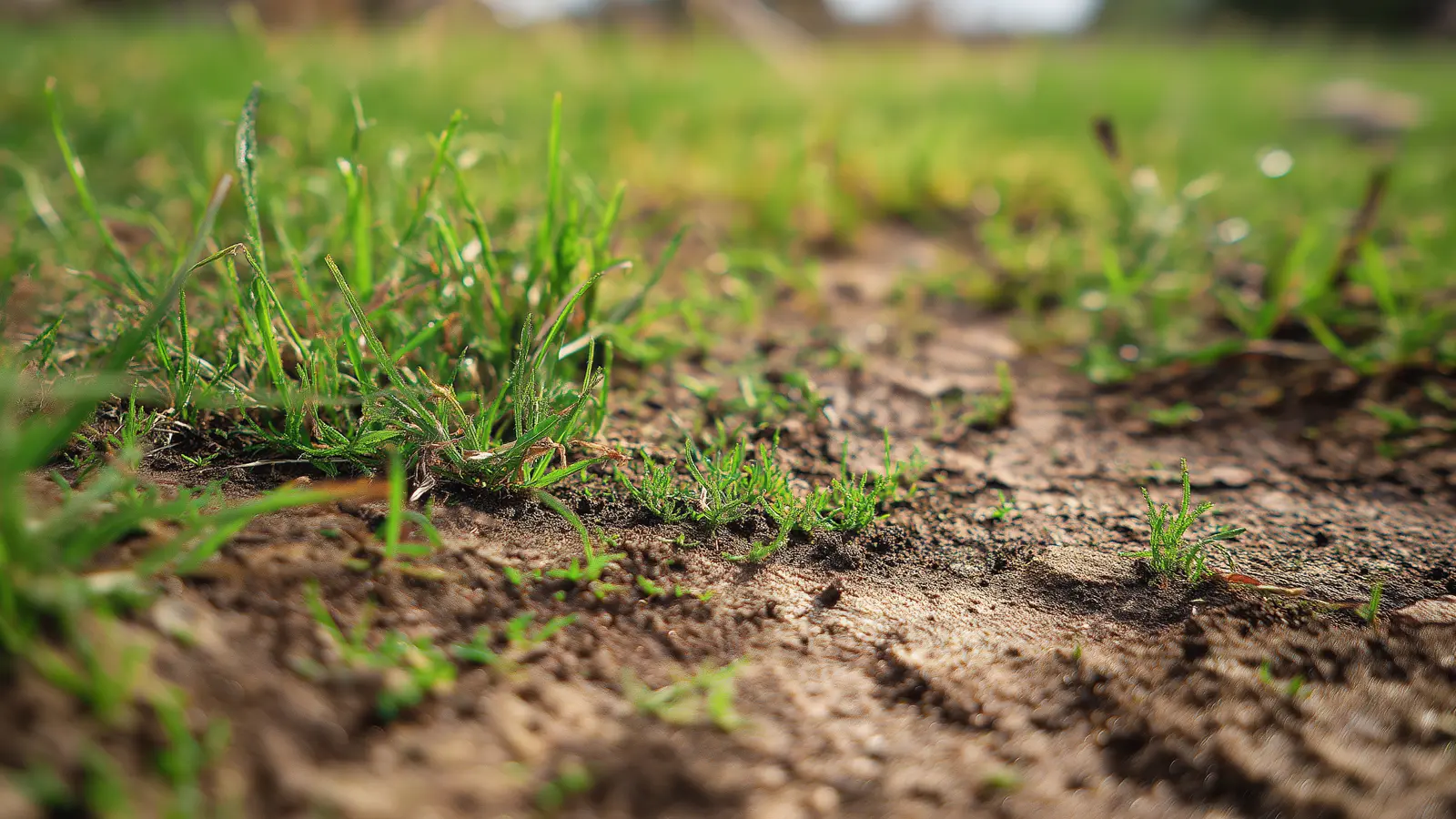
Those differences often show up in color and density as well. Sections that struggle to green up or stay thin usually respond to reduced oxygen in saturated soil, disrupted root systems or uneven thawing. These areas rarely change randomly and tend to recur in the same locations year after year because the underlying conditions haven’t changed.
March doesn’t create these problems; it reveals them. What you’re seeing is a functional map of your lawn—one that becomes much harder to interpret once growth fills in and conditions begin to stabilize.
Why Most Spring “Fixes” Fail Here
When a lawn appears uneven or stressed in March, the natural response is to fix it quickly. Seeding bare spots, applying fertilizer or leveling uneven areas all seem like the right next step. The intent is good, but the timing often works against you.
Most early spring fixes fall short for one reason: the lawn isn’t ready to respond. At this stage, the limitations are still below the surface. Soil structure is unstable, moisture levels are inconsistent, and root systems are still recovering. Surface-level improvements don’t have a stable foundation to build on, which is why results tend to be inconsistent or short-lived.
Seeding is a common example. It depends on stable soil temperature, consistent moisture and firm contact with the soil. In March, those conditions rarely align consistently in Northeast Ohio. Even when germination begins, development is often uneven, leading to patchy growth that struggles as the season progresses.
Fertilization presents a different challenge. It can encourage visible top growth before the root system has fully recovered, creating a lawn that looks better temporarily but lacks stability as conditions become more demanding. That early surge often fades as temperatures rise and moisture becomes less predictable.
Even physical adjustments, like adding soil or attempting to level uneven areas, tend to fall short when underlying drainage or compaction hasn’t been addressed. The surface may temporarily improve, but the same issues return because the conditions causing them remain unchanged.
These actions aren’t wrong. They’re mistimed. Spring improvements work when the lawn has entered active growth and the soil can support change. Before that point, they compete with unstable conditions rather than building on stable ones.
What You Should Pay Attention to Right Now
Early spring isn’t about fixing everything; it’s about understanding what actually needs attention.
This period provides one of the clearest opportunities all year to observe how your lawn performs under stress. Growth hasn’t fully filled in yet, and conditions haven’t leveled out the inconsistencies. What you see now is closer to the true state of your lawn than what you’ll observe later in the season.
Water movement is one of the most important indicators. Where water collects, how long it stays and how it moves across the yard reveal how the soil is functioning. Areas that remain wet longer than others aren’t just slow to dry; they are under different conditions that will continue to impact root development, density and overall health.
You’ll also notice differences in how the lawn recovers. Some variation is natural, but consistent delays in certain spots usually point to differences in soil temperature, moisture retention or structure. These are often the same areas that struggle during summer stress.
The feel of the ground offers additional clues. Soft or spongy areas often indicate excess moisture or compaction, while firmer sections tend to support more consistent growth. These differences affect not just how the lawn looks in spring but also how it performs as conditions become more demanding.
What matters most is recognizing patterns. Isolated issues can happen, but repeated patterns across the same areas are rarely accidental. They reflect how the landscape is shaped and how it responds to seasonal conditions. Spotting these patterns now helps you make decisions that last rather than applying short-term fixes.
When This Signals a Bigger Problem
Not every issue visible in March requires immediate action, but some indicate conditions that won’t resolve on their own.
The key lies in persistence. If the same areas hold water year after year, if sections of the lawn consistently lag behind or thin out despite regular care or if repeated repairs only provide short-term improvement, the problem is rarely the surface itself. It’s the system beneath it.
Recurring water accumulation is one of the clearest signs. When soil remains saturated, oxygen in the root zone becomes limited, weakening the turf and hindering consistent growth. Over time, these areas follow a predictable pattern: slower recovery in spring, uneven performance during summer, and a continual need for repairs.
Uneven growth patterns often point to similar issues. Variations in soil structure, compaction or grading create conditions where parts of the lawn can’t perform as well as others, no matter how they’re maintained.
There’s also a point where surface fixes stop working. When seeding, fertilizing or leveling only deliver temporary results, it’s usually because the lawn has reached the limits of what those methods can achieve under current conditions.
March offers clarity. The patterns seen now are early signs of how the lawn will perform throughout the season. Ignoring them leads to ongoing frustration. Recognizing them offers a chance to address the root causes instead of just treating the symptoms.
A healthy lawn isn’t created by reacting solely to what’s visible. It’s built by aligning the conditions beneath the surface with how the lawn actually functions.
What Your Lawn Is Telling You in March
By the time growth fills in and the lawn begins to look more uniform, many of the patterns visible in early spring start to fade. Soft areas firm up, color evens out, and problem spots become less noticeable. The window to clearly see these issues is short.
March provides something the rest of the season doesn’t: visibility.
The uneven growth, lingering moisture and inconsistent soil conditions you notice now aren’t random setbacks. They’re clues to how your lawn actually functions beneath the surface. Paying attention to those signals helps you distinguish temporary seasonal effects from problems that will persist if nothing changes.
The difference between a lawn that improves and one that struggles throughout the season often comes down to this moment. Not just because of what you do immediately but because of how well you understand what you’re observing.
When you treat early spring as a diagnostic phase rather than a reactive one, your decisions become more accurate, your results more consistent and your lawn more resilient over time.