
How to Identify and Treat Lawn Fungus in Northeast Ohio Lawns
Learn how to identify lawn fungus, rule out other causes of brown patches and protect your Northeast Ohio lawn before early-season damage spreads.
Brown patches in the lawn can be frustrating because they rarely come with an obvious explanation. One week, the grass looks healthy. The next week, certain areas look thin, yellow, brown or completely worn out. For many homeowners, the first thought is lawn fungus, especially when the damage appears after a stretch of spring rain, heavy dew or humid late-spring weather.
Lawn fungus is a common cause of discolored or dying grass, but it is not the only possibility. Drought stress, pet urine, grub damage, poor drainage, compacted soil and mowing habits can all create lawn damage that looks similar from a distance. Treating the wrong problem can waste time and may allow the real issue to get worse.
That is why May is a good time to look at the full picture before the lawn faces more early-summer stress. The pattern of the damage, the location of the spots, recent weather, watering habits and overall lawn conditions can all provide important clues. In Northeast Ohio, where clay-heavy soil, shaded yards, wet spring weather and rising humidity are common, those clues can be especially important.
This guide explains what lawn fungus usually looks like, how to tell it apart from other common lawn problems, why fungal disease develops and what steps can help the grass recover. The goal is not just to cover up brown spots. It is to understand what is stressing the lawn so the right solution can be used before the problem has more time to spread.
What Lawn Fungus Usually Looks Like
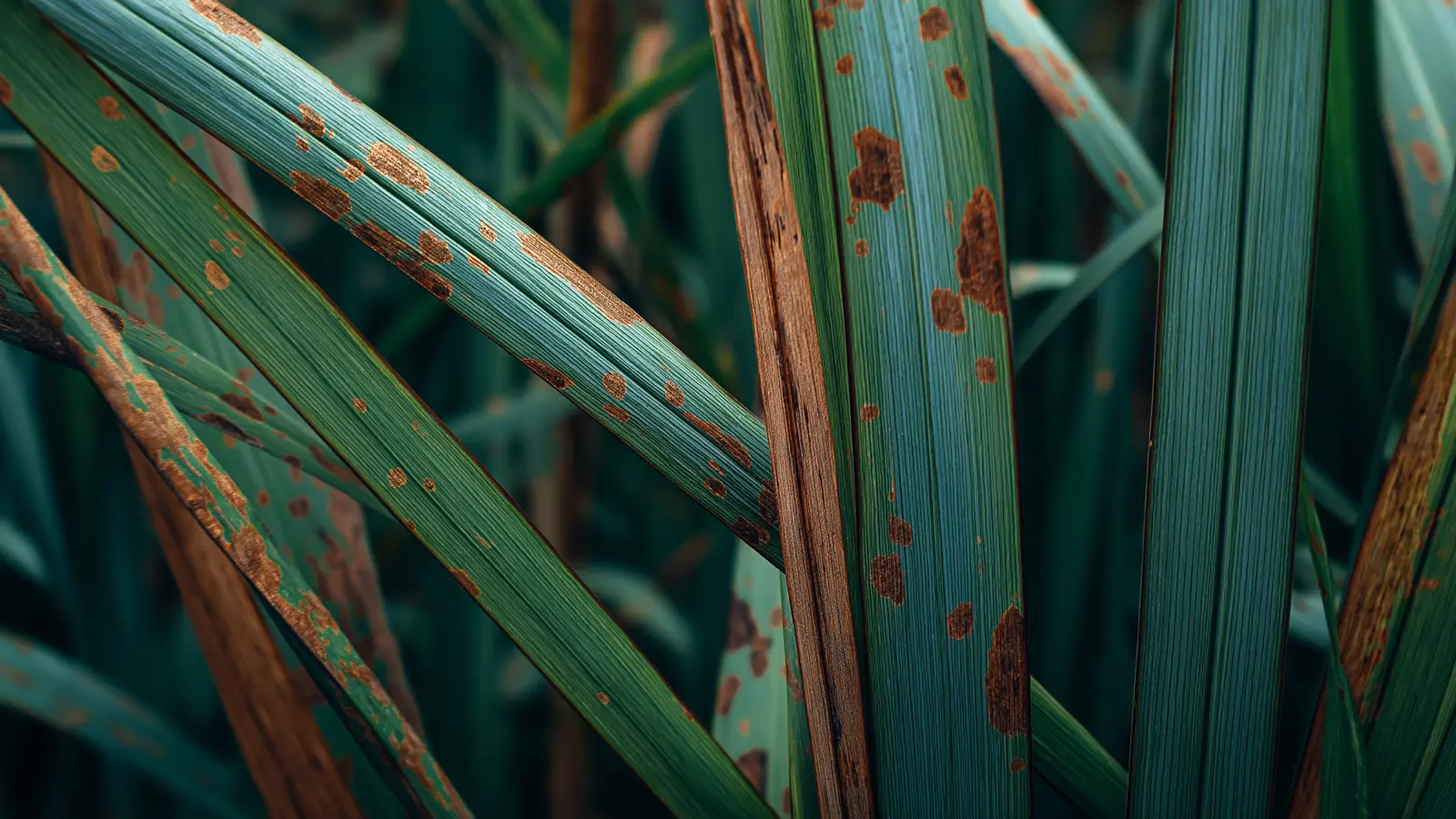
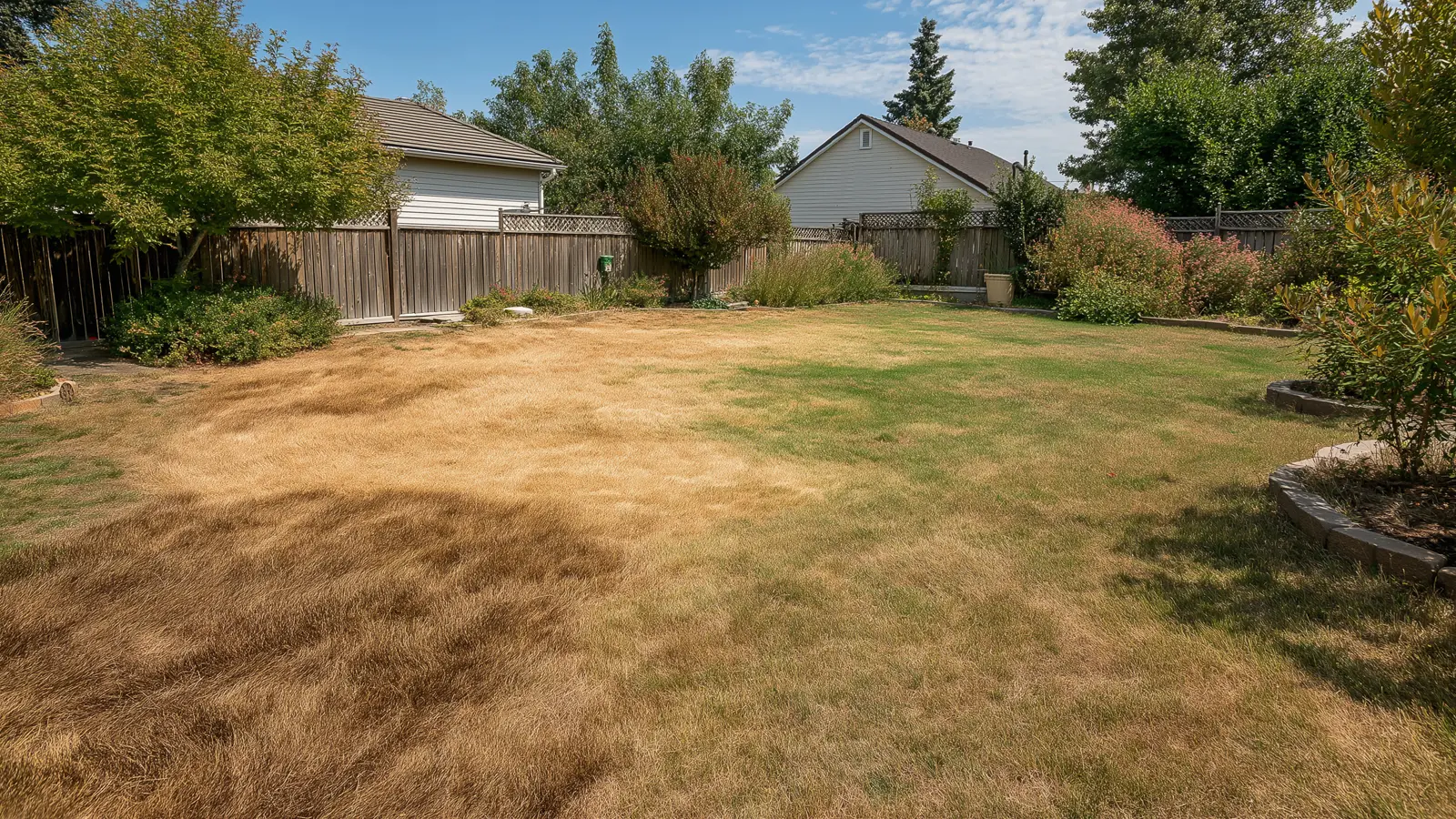
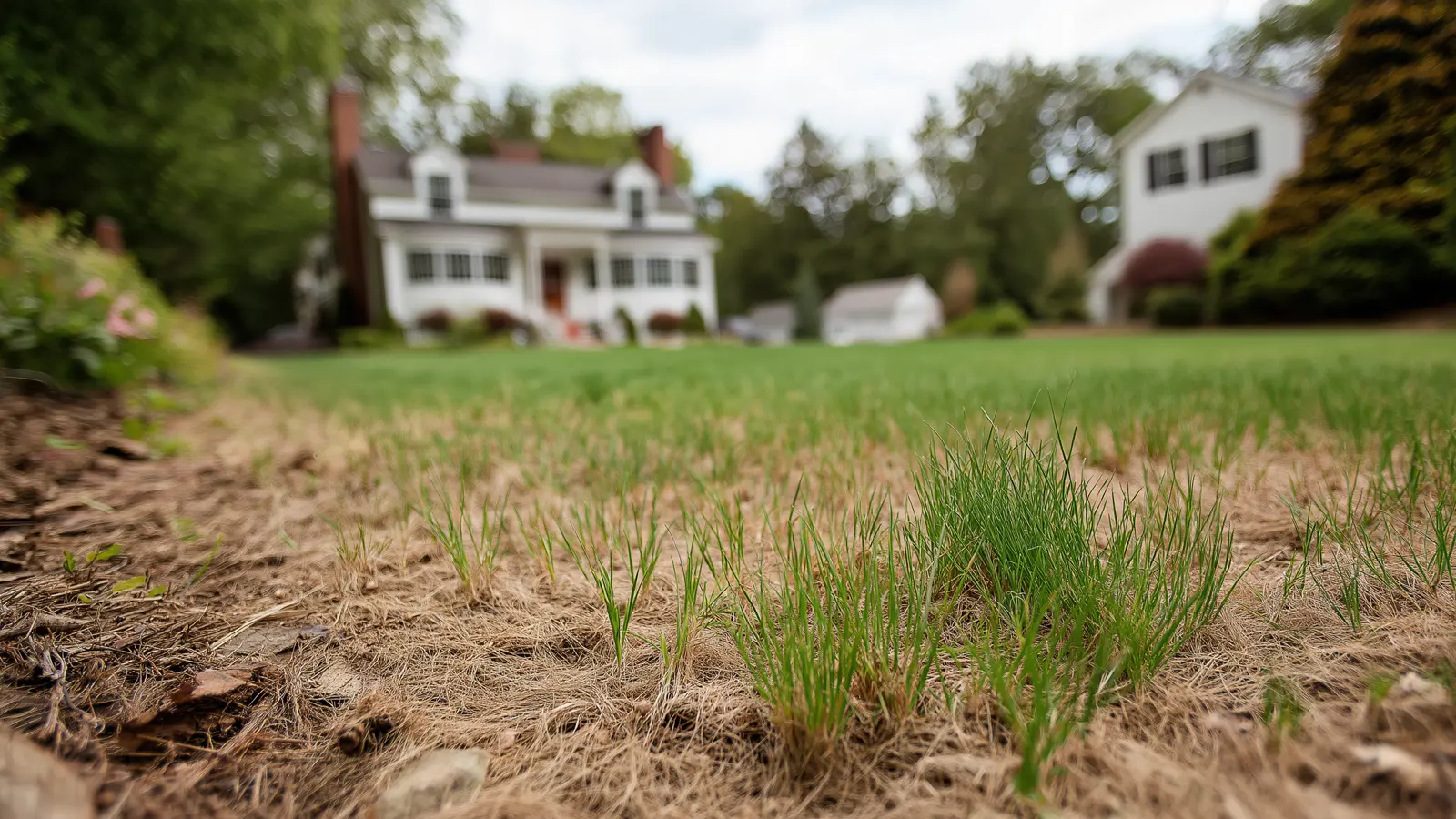
Lawn fungus does not always show up as one obvious, easy-to-identify problem. In many cases, it starts with small changes that are easy to mistake for ordinary spring stress, uneven watering or early wear from regular lawn use. A few patches may turn yellow, light brown or tan. Certain areas may look thinner than the rest of the lawn. After a stretch of rain, humidity or heavy morning dew, those spots may begin to spread or become more noticeable.
One of the biggest clues is the pattern of the damage. Lawn fungus often appears in patches, rings or irregular areas instead of evenly across the entire yard. Some spots may look brown and dry, while others may look matted, greasy or weak. In certain lawn diseases, affected grass may develop darker edges, purple borders or a water-soaked appearance before fading to brown. Depending on the type of fungal disease, you may also notice white, gray, orange, reddish brown or powdery growth on the grass blades.
The type of grass can also influence how lawn damage appears. Many Northeast Ohio lawns include cool-season grasses such as Kentucky bluegrass, perennial ryegrass, tall fescue or annual bluegrass. These lawn grasses can respond differently to wet conditions, soil compaction, changing temperatures and disease pressure. One section of the yard may thin out while another develops circular brown patches or dead grass because the grass types, shade levels and moisture conditions are not the same everywhere.
The location of the damage matters too. Fungus is more likely to develop in areas that stay damp for too long, such as shaded sections of the lawn, low spots with poor drainage or areas where air circulation is limited. In Northeast Ohio, this can be especially common when wet spring weather gives way to warmer late-spring and early-summer conditions. Clay-heavy soil, mature trees and shaded properties can make it harder for lawns to dry out, creating damp conditions where grass fungus has a better chance to spread.
Common signs of lawn fungus may include:
- Brown, yellow, tan or reddish brown patches in the lawn
- Circular patches, rings or irregular dead areas
- Circular brown patches that expand after rain, watering or humid weather
- Grass that looks matted, greasy, thin, water-soaked or weak
- White, gray, orange or powdery growth on grass blades
- Rust-colored dust on shoes, mower wheels or pets
- Cobweb-like growth on wet grass in some disease conditions
- Dead grass or bare spots that do not improve after normal watering
The important thing to remember is that brown spots are not automatically lawn fungus. They are a warning sign that something is stressing the turf. Fungus is one possibility, especially when the damage spreads during damp or humid conditions, but it should be considered alongside other common causes before deciding how to treat the lawn.
How to Tell Whether It Is Fungus or Something Else
Before treating brown patches as lawn fungus, it helps to look at the pattern, timing and location of the damage. Fungus is more likely when spots appear after extended periods of rain, humidity, excessive moisture or heavy watering. It may also spread quickly when the grass stays damp overnight or when certain areas of the lawn do not get enough sunlight or airflow. If the patches seem to grow after wet spring weather, fungal disease becomes a stronger possibility.
Drought stress usually looks different, though it may become more noticeable as temperatures climb toward early summer. Instead of appearing as distinct patches or rings, dry grass often shows up in sunny, exposed areas where the lawn gets the most heat. The grass may feel brittle, turn bluish-gray before it browns or fail to spring back after being walked on. In those cases, the problem may be water stress rather than disease, especially if the lawn improves after consistent, proper watering.
Pet urine can also create spots that look like disease at first glance. These areas are often smaller, rounder and more concentrated than fungal damage. In some cases, the center of the spot may look dead while the outer edge appears darker green because of the nitrogen in the urine. If the spots are scattered in areas where pets regularly go, fungus may not be the main issue.
Grub damage is another common cause of brown areas in a lawn. The easiest clue is what happens when you tug on the grass. If the turf lifts easily, almost like loose carpet, the roots may have been damaged. Fungus usually affects the turf differently, while grubs damage the root system from below.
Mowing habits can create problems too. Grass that is cut too short is more vulnerable to changing temperatures, moisture stress and disease. Dull mower blades can tear the grass instead of cutting it cleanly, leaving ragged tips that turn brown and weaken the turf. If the damage follows mowing lines, appears after a recent cut or looks like scalped areas across the lawn, the mower may be contributing to the problem.
Compacted soil and drainage issues can also make a lawn look unhealthy. In high-traffic areas, soil can become so compressed that water, air and nutrients struggle to reach the roots. In low areas, standing water can weaken the turf and make common diseases more likely. This is why brown spots are not always caused by one single issue. In many Northeast Ohio lawns, the problem is a combination of shade, excess moisture, mowing stress and soil conditions that slowly weakens the grass.
A quick way to narrow down the cause is to compare what you are seeing:
- Fungus: spreading patches, circular rings or irregular areas that often worsen after humidity, rain or overwatering
- Drought stress: dry, brittle grass in sunny or exposed areas
- Pet urine: small round spots, sometimes with a darker green edge
- Grub damage: turf that pulls up easily because the roots are damaged
- Mower damage: streaks, scalped spots or torn grass tips
- Compacted soil: thin turf in high-traffic areas where water struggles to soak in
- Drainage problems: recurring damage in low spots where water sits too long
Looking at these clues can help you avoid treating the wrong problem. Fungicide may help when lawn disease is actually present, but it will not fix drought stress, grub damage, compacted soil, poor drainage or poor mowing practices. The right solution starts with understanding what the lawn is telling you.
Why Lawn Fungus Develops
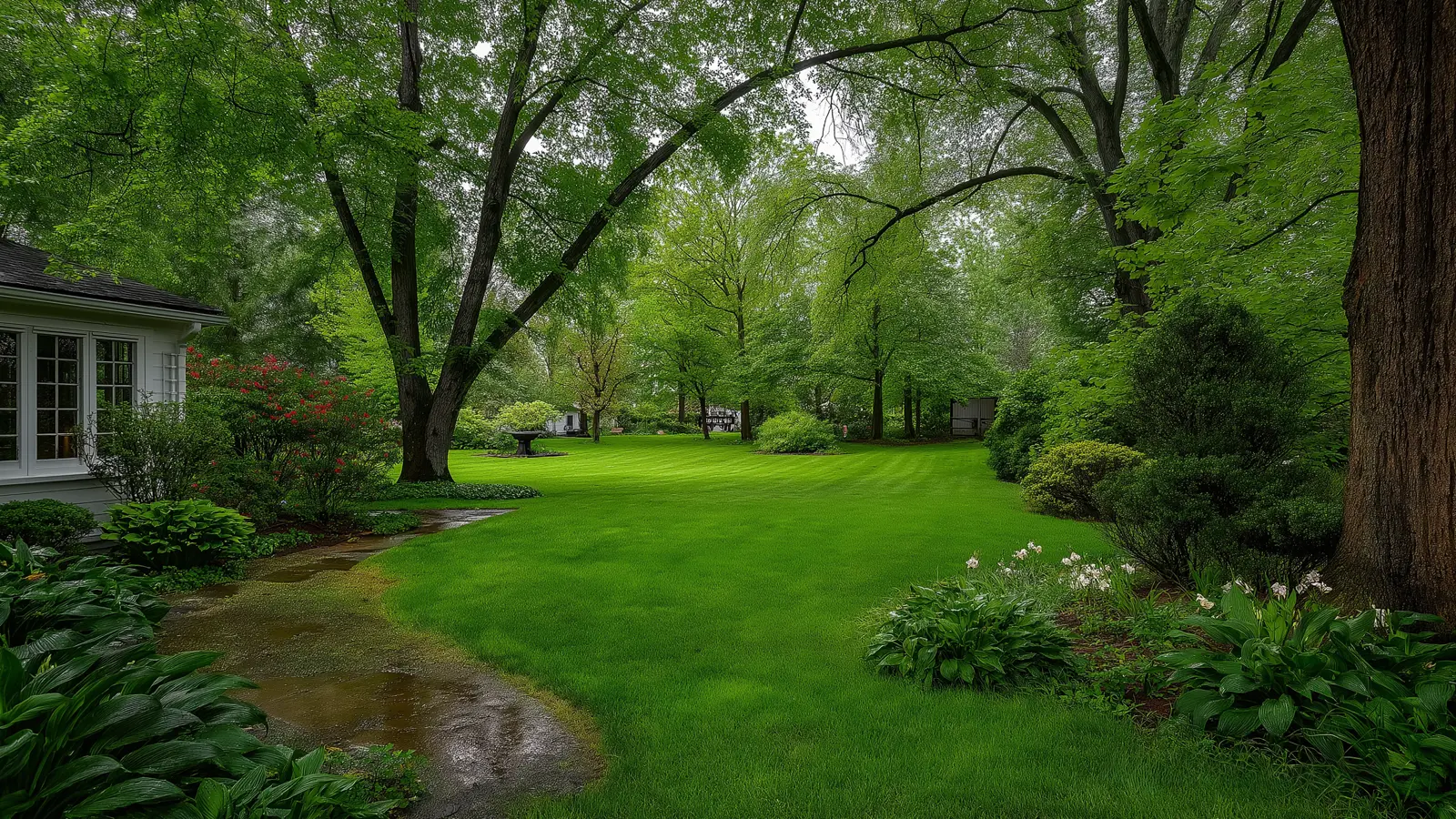
Lawn fungus usually becomes a visible problem when the grass is already under stress. Fungal organisms can exist in the lawn without causing major damage, but they become more active when moisture, changing temperatures, shade or weak turf give them an opening. That is why fungal problems often seem to appear suddenly, even though the lawn may have been vulnerable for a while.
Moisture is one of the biggest factors. When grass stays wet for too long, especially overnight, disease has more time to develop and spread. This can happen after long stretches of rain, frequent watering, heavy morning dew or irrigation that runs too late in the day. A lawn needs water to stay healthy, but constant surface moisture can create the wrong kind of environment.
This is especially relevant for Northeast Ohio lawns in May. Wet spring weather, warming daytime temperatures, clay-heavy soil and shaded properties can make it harder for turf to dry out between rain and watering. Low spots in the yard may hold water longer than surrounding areas, while shaded sections may stay damp even when the rest of the lawn dries. Over time, those conditions can weaken the grass and make fungal disease more likely to show up.
Lawn care habits can also contribute to the problem. Cutting the grass too short stresses the turf and reduces its ability to protect itself. Dull mower blades tear the grass instead of cutting it cleanly, which can leave the lawn more vulnerable to disease. Thick thatch, excess thatch, compacted soil and poorly timed nitrogen fertilizer can add even more stress, making it harder for the lawn to recover once damage begins.
Common conditions that can encourage lawn fungus include:
- Watering too often or too late in the day
- Long periods of rain, humidity or heavy dew
- Poor drainage or standing water
- Heavy shade that keeps grass damp
- Limited airflow around the lawn
- Thatch buildup that traps moisture near the surface
- Soil compaction that restricts root growth
- Cutting the grass too short
- Dull mower blades that tear grass tips
- Too much fertilizer or fertilizer applied at the wrong time
- Weak turf from changing temperatures, pests or poor soil conditions
The important takeaway is that lawn fungus is rarely just a surface problem. Treating the visible patches may help in the short term, but the issue can return if the same stress factors remain. A healthier lawn with better drainage, stronger roots, proper mowing and the right watering habits is much better equipped to resist disease as late spring turns into early summer.
Common Lawn Fungus Problems Homeowners May Notice
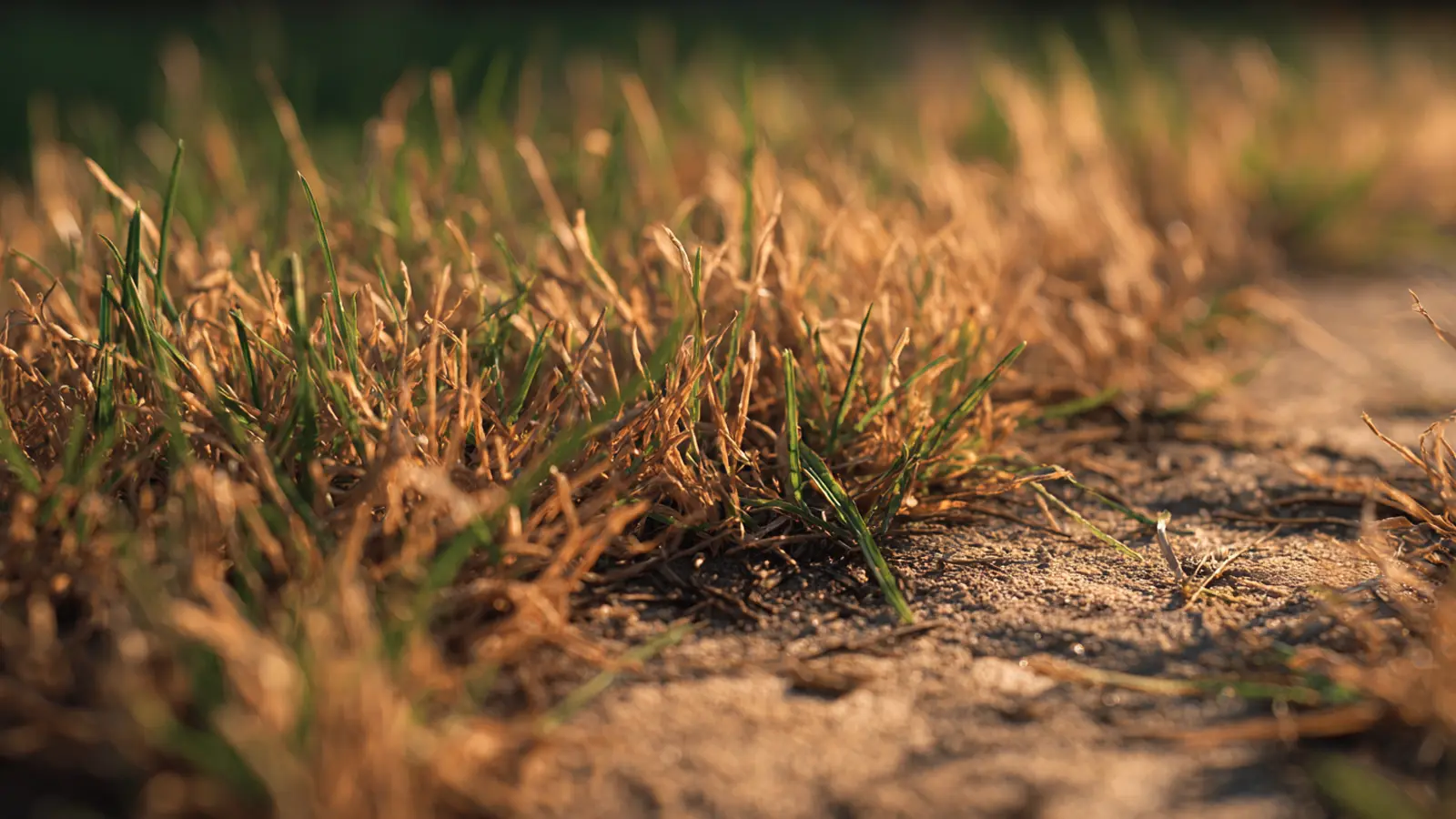
Lawn fungus can show up in several different ways, which is part of what makes it frustrating for homeowners. Some diseases create circular brown patches that become more noticeable as weather turns warmer and more humid. Others cause smaller straw-colored spots, powdery growth, orange dust, reddish patches or ring-like damage that develops over time. The exact disease matters when choosing the right treatment, but most homeowners do not need to identify every turf disease by name before taking the problem seriously.
What matters most is recognizing when the lawn is showing signs of disease rather than ordinary stress. If the damage keeps spreading, appears in a pattern or returns during the same type of weather each year, there may be a fungal issue beneath the surface. A lawn care professional can help identify the specific disease, but understanding the most common signs can help you know when the problem deserves attention.
Common lawn fungus problems include:
- Brown patch: Often appears as brown, tan or yellowish areas when warm, humid conditions arrive. The patches may be circular or irregular, and they can spread when the lawn stays wet for too long.
- Dollar spot: Usually creates smaller, straw-colored spots that may eventually merge into larger damaged areas. It can make the lawn look speckled or uneven before the damage becomes more noticeable.
- Red thread: Can create pinkish or reddish thread-like growth on grass blades, often showing up as small patches that make the lawn look thin or uneven.
- Rust: Shows up as orange or reddish-brown powder on grass blades. Homeowners may notice it rubbing off on shoes, pets or mower wheels after walking through the lawn.
- Powdery mildew: Often appears as a white or gray coating on grass blades, especially in shaded areas with poor airflow. It can make the grass look dusty or faded.
- Leaf spot: May appear as small lesions or discolored spots on individual grass blades before the lawn begins to look thin or stressed.
- Summer patch: Can cause circular patches of thinning or dying grass as summer stress increases, especially when roots are weakened.
- Pythium blight: May create greasy or water-soaked patches and can spread quickly in warm, wet conditions.
- Snow mold: Often appears in early spring after snow melts, creating matted gray, white or pinkish patches. By May, homeowners may still notice lingering damage in areas that were slow to recover.
- Necrotic ring spot: Can create circular or ring-like patterns in the lawn and may require a more involved recovery plan. It is often more difficult to correct with quick surface-level treatment.
These problems do not always appear in perfect textbook form. A lawn may have more than one issue at the same time, especially if poor drainage, heavy shade, compacted soil or mowing stress are already weakening the turf. That is why the broader pattern matters more than any single symptom. If the lawn is thinning, discoloring or developing recurring patches, the next step is to look at both the visible disease and the conditions that may be allowing it to spread.
How to Treat Lawn Fungus Without Making It Worse
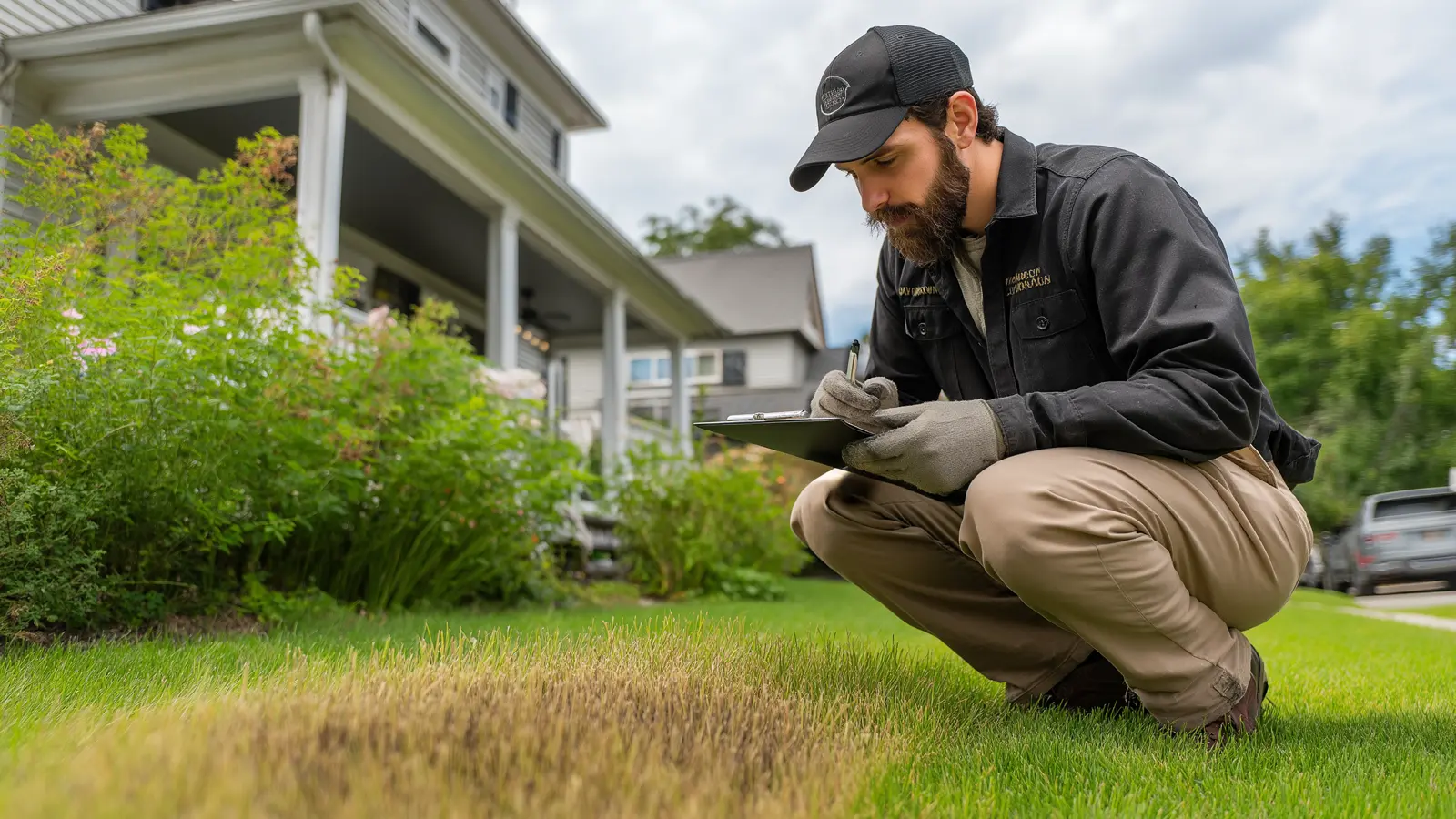
Treating lawn fungus starts with making sure the problem is actually fungus. Brown patches can look similar from a distance, but the right solution depends on what is causing the damage. Fungicide may help when a fungal disease is active, but it will not fix drought stress, grub damage, compacted soil, poor drainage or mowing problems. In some cases, applying the wrong treatment can delay the real solution while the lawn continues to decline.
The best approach is to correct the factors that are helping the disease take hold. If the lawn is staying too wet, being cut too short or struggling in compacted soil, the fungus may keep coming back even after the visible symptoms improve. A healthy lawn is better able to resist disease, recover from stress and fill in damaged areas. That makes treatment less about one quick fix and more about creating a stronger growing environment before summer stress increases.
Start with watering habits. Lawns generally do better with deeper, less frequent watering than with light watering every day. Water early in the morning so the grass blades have time to dry as the day warms up. Evening watering can leave wet grass sitting overnight, which may encourage fungal problems. If irrigation coverage is uneven, some sections may stay too wet while others dry out, so it can help to check whether water is being applied consistently across the lawn.
Mowing also plays a major role in lawn health. Cutting the grass too short weakens the turf and exposes it to more stress as temperatures rise. Dull mower blades can tear the grass instead of cutting it cleanly, leaving ragged edges that turn brown and make the lawn more vulnerable to disease. Mow regularly, keep the grass at the proper height for the grass type and use sharp mower blades to reduce unnecessary stress.
Other parts of the yard may need attention too. Thick thatch can trap moisture near the surface. Compacted soil can limit root growth and keep water from moving properly through the lawn. Heavy shade and poor airflow can cause certain areas to stay damp much longer than others. If these issues are part of the problem, lawn fungus treatment should include more than a product application.
Helpful steps may include:
- Watering deeply but less often, preferably early in the morning
- Avoiding evening watering when fungal problems are active
- Checking irrigation coverage so the lawn is not being overwatered in certain areas
- Raising the mowing height to reduce turf stress
- Mowing regularly with sharp mower blades
- Improving airflow around shaded or crowded areas
- Addressing excess thatch when it is trapping moisture
- Aerating compacted soil where roots are struggling
- Improving drainage in low or wet areas
- Avoiding heavy nitrogen fertilizer during active disease
- Monitoring whether patches are shrinking, spreading or returning
Fungicide can be useful in some situations, but it should be used with the right expectations. It works best when the disease is properly identified and the conditions that encouraged it are also being corrected. In severe or recurring cases, a professional may recommend targeted or preventive treatment based on the disease, grass type and time of year. Some fungal activity may slow when the weather changes, making the lawn look like it is improving on its own. However, if the same damp, shaded or compacted conditions remain, the problem can return later in the season or show up again the following year.
How to Help the Lawn Recover After Fungus Damage
Stopping the spread of lawn fungus is only part of the recovery process. Once the disease is under control, the damaged areas may still need time and support before they look healthy again. Some grass may bounce back as conditions improve, but thinning, matted or dead grass often needs additional care. The goal is to help the lawn rebuild strength, fill in weak spots and become less vulnerable as the season moves forward.
Start by looking at how much damage is actually present. If the grass is discolored but still rooted and alive, it may recover with better watering, mowing and general maintenance. If the turf is dead, bare or pulling away from the soil, those areas may need to be cleaned up and repaired. Raking out dead or matted grass can help open the surface, but it should be done carefully so healthy grass is not damaged in the process.
Thin areas may need overseeding once the fungal issue is no longer actively spreading. Overseeding can help restore density, which is important because a thick lawn is better at resisting weeds, moisture stress and future disease. Soil conditions matter too. If the area is compacted, poorly drained or low in nutrients, new seed may struggle for the same reasons the existing grass became weak. In those cases, recovery may require aeration, soil improvement, reduced compaction or drainage adjustments before the lawn can fully rebound.
After fungus damage, homeowners should also be careful not to overcorrect. Heavy watering, aggressive fertilizing or cutting the grass too short can add more stress when the lawn is already weakened. Recovery is usually more successful when care is steady and measured. The lawn needs enough moisture to support healthy growth, enough mowing height to protect the turf and enough time to rebuild without being pushed too hard.
Helpful recovery steps may include:
- Raking out dead or matted grass where appropriate
- Improving soil conditions before reseeding
- Overseeding thin or bare spots after disease activity slows
- Watering consistently without keeping the surface wet for too long
- Avoiding heavy foot traffic on stressed grass
- Aerating compacted areas if roots are struggling
- Reducing thatch buildup if it is trapping moisture
- Improving drainage where water collects
- Watching for recurring spots as humidity increases
A lawn that has been damaged by fungus may not recover overnight, but it can improve when the contributing problems are corrected. The strongest recovery plan does more than cover bare spots. It helps the turf grow thicker, root deeper and handle Northeast Ohio’s wet spring weather and early-summer humidity with less stress.

When to Call a Lawn Care Professional
Some lawn problems are simple enough to monitor and correct with better watering, mowing or maintenance habits. Others are harder to identify from the surface, especially when several issues are happening at once. Brown patches may look like fungus, but the real cause could involve drainage, soil compaction, insects, turf stress or a combination of problems. When the damage keeps spreading or coming back, guessing can waste time and allow the lawn to weaken further.
A lawn care professional can look at the full picture instead of focusing only on the visible spots. That includes the pattern of the damage, the condition of the soil, how the lawn is draining, how much shade is present and whether the turf is being stressed by mowing or watering practices. In many cases, the best solution is not just treating disease. It is building a healthier lawn that is less likely to develop the same problem again.
It may be time to call a professional if:
- Brown patches are spreading
- The same problem returns every year
- The cause is unclear
- DIY treatment has not worked
- Large sections of lawn are thinning or dying
- The yard has drainage, shade or soil problems
- The lawn needs an accurate diagnosis before treatment
- The lawn needs a recovery plan, not just a quick treatment
If brown patches are spreading or returning, Hemlock Landscapes can help identify what is causing the damage and recommend the right next step. A healthier lawn starts with understanding the problem, then correcting the conditions that allowed it to develop.

Get to the Root of Lawn Fungus Before It Spreads
Brown patches are easy to notice, but they are not always easy to diagnose. Lawn fungus may be the cause, especially when damage appears after wet spring weather or in areas that stay damp for too long. However, similar symptoms can also come from drought stress, insects, poor drainage, compacted soil, mowing issues or a combination of several problems working against the lawn at once.
The best solution starts with understanding why the grass is struggling. Treating a fungal disease may help when fungus is active, but long-term improvement usually depends on correcting the conditions that allowed the problem to develop. Better watering habits, proper mowing, improved airflow, reduced compaction, healthier soil and stronger turf can all make the lawn more resilient.
For Northeast Ohio homeowners, lawn health often comes down to more than a single treatment. Clay-heavy soil, shaded yards, wet spring weather and rising humidity can create challenges that require a more complete approach. If brown patches are spreading, returning each year or difficult to identify, Hemlock Landscapes can help evaluate the lawn and recommend the right next step for healthier, stronger grass.